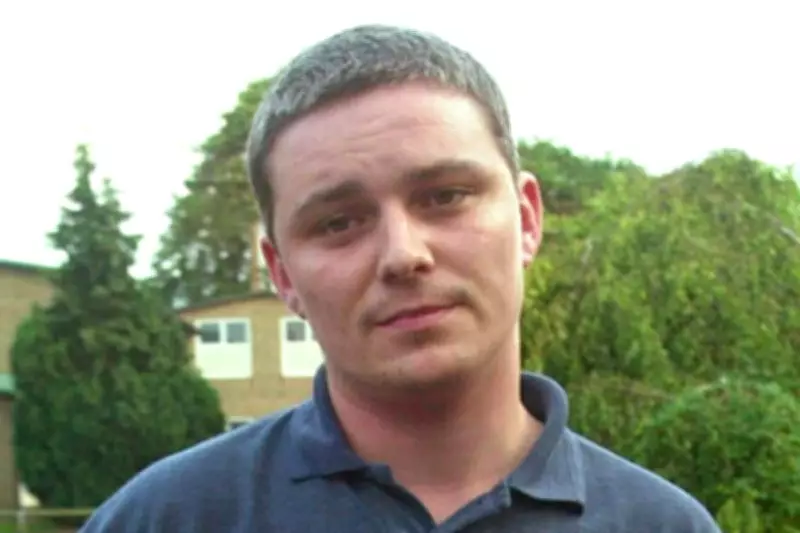
Taxpayers Could Be Forced to Fund Soham Murderer Ian Huntley's Funeral After Prison Death
Double murderer Ian Huntley, infamous for the Soham killings, has died in hospital following an attack in a maximum security prison. The incident occurred on Saturday, marking the end of a life sentence for the child killer. In the wake of his death, a contentious issue has emerged: the potential use of taxpayer money to cover Huntley's funeral expenses.
Prison Policy May Require Public Funding for Funeral
Under a long-standing policy for deaths in custody, the prisons service could be obligated to pay up to £3,000 for Huntley's basic funeral costs. This rule, designed to ensure dignified arrangements for inmates who die while incarcerated, is now sparking fierce debate. Justice Secretary David Lammy is facing mounting pressure to intervene and prevent public funds or prison service resources from being allocated to the funeral of such a notorious criminal.
Political and Public Outcry Over Funding Proposal
A former prison governor has highlighted that Lammy possesses the authority to override this policy, warning that using taxpayer money for Huntley's funeral would be 'political dynamite'. The suggestion has ignited public anger, with many arguing that it is unjust to force citizens to foot the bill for a murderer's final rites. The controversy underscores broader questions about justice and public expenditure in high-profile criminal cases.
Family Reactions and Funeral Plans
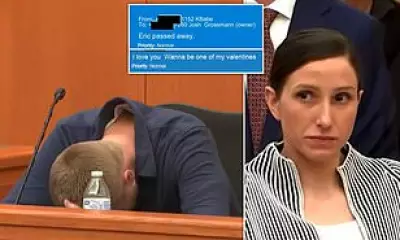
Huntley's daughter, Samantha Bryan, has expressed relief at his death, stating she will not attend any funeral. In a stark declaration, she suggested that his ashes should be flushed down the toilet, reflecting the deep personal and societal wounds left by his crimes. Her comments add a poignant layer to the ongoing discussion, emphasizing the emotional toll on victims' families and the public's desire for closure without state involvement.
The situation remains unresolved as officials weigh the legal and ethical implications of funding Huntley's funeral, with many calling for a review of the policy to prevent similar scenarios in the future.