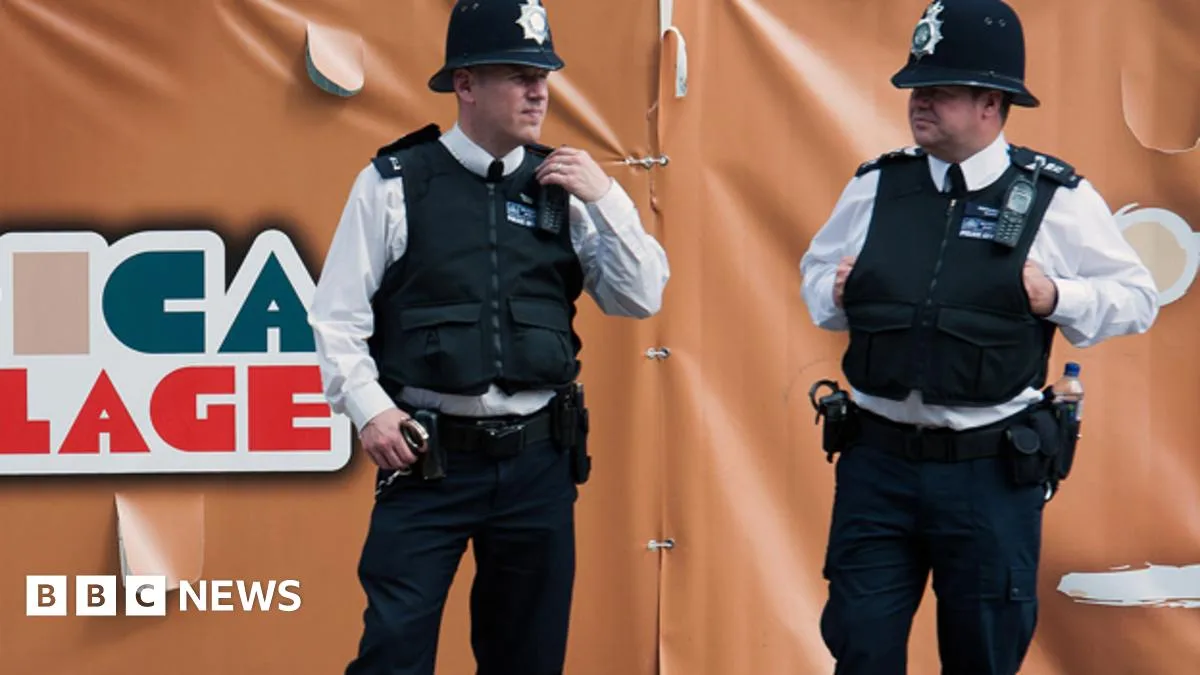
The deaths of two female police constables have reignited the debate over whether British police should be routinely armed. Unlike most of the world, the vast majority of UK officers do not carry firearms, a policy that has been in place for nearly two centuries.
Supporters of arming the police argue that it would improve officer safety. Following the killings of PCs Nicola Hughes and Fiona Bone in Greater Manchester, film director Michael Winner and former police federation chairman Tony Rayner called for routine arming. However, Greater Manchester Chief Constable Sir Peter Fahy defended the status quo, noting that armed police in other countries still face shootings.
Police officers themselves overwhelmingly oppose being routinely armed. A 2006 survey of 47,328 Police Federation members found 82% against it, despite nearly half reporting their lives had been in serious jeopardy. Public opinion is divided: an ICM poll in 2004 showed 47% in favour and 48% against, while a 2007 Policy Exchange survey found 72% wanted more armed patrols.

Opponents argue that arming the police would undermine the principle of policing by consent, which distinguishes UK officers from the military. This tradition dates back to Sir Robert Peel's formation of the Metropolitan Police in 1829, when blue uniforms and unarmed patrols were designed to avoid the oppressive image of the army.
Gun crime in the UK remains low. In 2010-11, England and Wales recorded 388 firearm offences resulting in fatal or serious injury, a 13% decrease from the previous year. In Scotland, there were two fatalities and 109 non-fatal injuries, a decade-low. Such rare incidents have not shifted the long-standing consensus against routine arming.