Police 'Determined' to Target Abusers Who Drive Women to Suicide but Cite Resource Shortages
Police forces across the UK are intensifying efforts to hold domestic abusers accountable for driving victims to suicide, according to the National Police Chiefs' Council (NPCC). However, officers are grappling with severe resource constraints and backlogs in the justice system that hinder these investigations.
Rising Posthumous Investigations Amid Systemic Challenges
Assistant Commissioner Louisa Rolfe, the NPCC lead for domestic abuse, has highlighted a significant increase in posthumous investigations into cases where domestic abuse preceded a victim's suicide. She emphasised that approximately 20% of all crime reported to most forces relates to domestic abuse, placing immense pressure on already stretched resources.
National guidance has been revised to address past failures, including officers prematurely assuming suicides fall solely under coroners' jurisdiction and mishandling evidence by returning personal items like phones to perpetrators. "We changed the guidance based on feedback from families who raised concerns about police response," Rolfe stated, noting improvements in investigative practices.

Case Studies Highlight Prosecution Difficulties
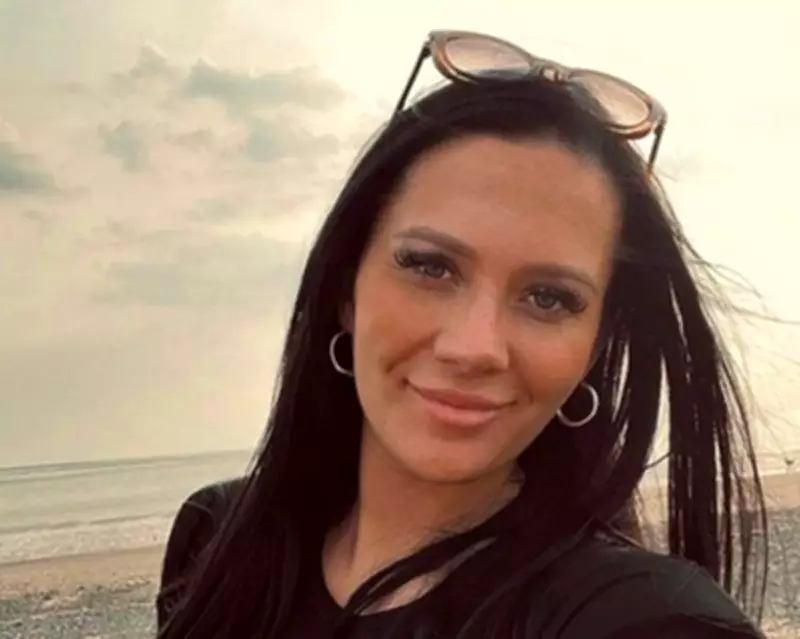
The Guardian's analysis reveals that the number of women driven to suicide by domestic abusers is severely under-reported, with many cases overlooked by police. For instance, Kiena Dawes endured repeated assaults, bullying, and belittling from her partner Ryan Wellings before taking her own life. Despite a note on her phone stating "Ryan Wellings killed me," he was convicted only of assault and coercive behaviour, receiving a six-and-a-half-year sentence, but was acquitted of manslaughter.
Similarly, Katie Madden died by suicide hours after her partner Jonathon Russell told her to kill herself. No criminal investigation was launched, with police citing capacity limits to examine only one month's worth of messages, dropping the inquiry into alleged coercive control.
Resource and Justice System Barriers
Rolfe identified diminishing resources and prolonged court delays as major obstacles. "Policing has a finite resource," she said, explaining that domestic abuse investigators often prioritise protecting living victims over posthumous cases. Additionally, the surge in digital data from smartphones complicates investigations without corresponding increases in staffing.
Caseloads have ballooned, with some investigators handling over double the recommended 15 cases, exacerbated by justice system backlogs that keep cases unresolved for years. "The list of victims they're keeping updated and supporting is just growing," Rolfe noted, describing the situation as "really tough for policing."
Commitment to Improvement Despite Setbacks
Despite these challenges, Rolfe expressed determination to enhance responses, citing "green shoots of improvement." Forces are adopting review systems, like the Met's daily assessment of unexpected deaths, to prevent oversights. "We're determined to do more," she affirmed, acknowledging that while progress is slow, the focus on domestic abuse has significantly increased over her 35-year career.
In the UK, support is available via Samaritans at 116 123 and the domestic abuse helpline at 0808 2000 247.