Rebecca Gibney's ADHD and Autism Diagnosis Hailed as Transformative 'Blessing'
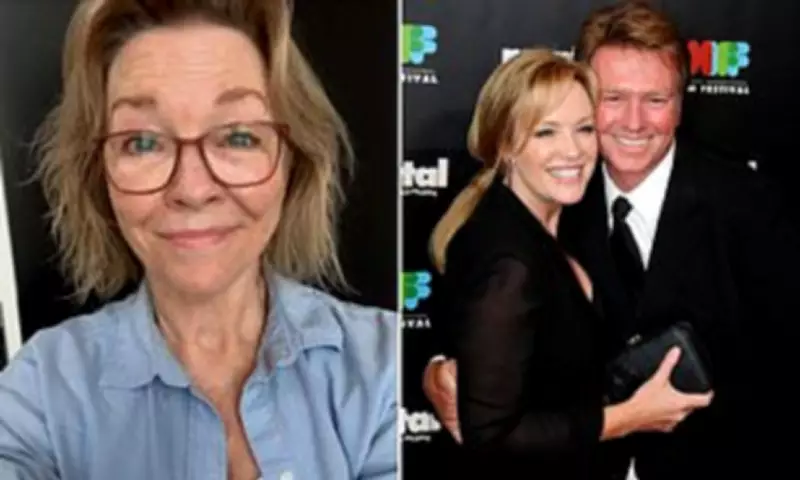
Australian actress Rebecca Gibney's recent diagnosis with ADHD and autism has been characterised as a 'blessing in disguise' in a new report, providing profound clarity after decades of personal challenges. The 61-year-old star of Packed to the Rafters publicly revealed her dual diagnosis in an interview with The Australian Women's Weekly late last month, sparking widespread discussion about neurodiversity and mental health awareness.
A Metamorphosis Following Diagnosis
A source close to Gibney told Woman's Day that the actress has undergone a 'kind of metamorphosis' since receiving her diagnosis. 'The diagnosis was a blessing in disguise as it helped make sense of so much – it was like a weight being lifted,' the insider revealed. The source added that the revelation has also benefited Gibney's husband of 24 years, Richard Bell, helping him 'understand a great deal more about her quirks' and strengthening their relationship.
Stepping Away from Social Media
In the wake of her diagnosis, Gibney announced she would be taking a break from social media platforms, with reports indicating Bell encouraged this digital detox. 'Rebecca prides herself on being a survivor – and she’s done a lot of self-work rebuilding from the horrors of her past, but Richard can’t bear to see her confidence falter over a troll online,' the source explained.

Gibney elaborated on her decision in an Instagram post earlier this month, writing: 'Hello friends, it's time for a wee break from all things SM. I've been spending way too much time staring at my phone looking at either bad news, products I don't want, snippets from people's lives that I don't know.' She expressed concern about losing touch with the present moment, stating: 'I have stopped fully living in the present and I need to reconnect with my hubby, my dogs and myself.'
Addressing Backlash and Sharing Her Story
While expressing gratitude for positive responses to her diagnosis announcement, Gibney also addressed negative comments she received from some quarters. 'Alas, there has also been a little backlash so I just wanted to say to the people that responded with 'get over it,' 'it's not cancer,' 'stop jumping on the bandwagon' and 'nobody cares' - just a wee word of advice,' she wrote.
Gibney urged compassion, adding: 'If you don't know the full story of someone's life - please don't make assumptions or fire off petty comments.' She shared context about her personal history, revealing: 'I have lived most of my life misdiagnosed with severe anxiety (45 years of it). I was raised in a home with extreme domestic violence and I have suffered depression, so to tell someone to 'get over it' is really not helpful.'
The actress explained her motivation for sharing her story: 'I share my story so that it may encourage others who might be struggling to know they are not alone.' She concluded with a hopeful message about her planned break: 'So if you need me, I'll be by a river somewhere, walking the dogs, planting veggies with my hubby and talking to the trees. Be kind to yourselves and others. And I'll see you soon. Ish.'
Coming to Terms with the Diagnosis
Gibney's diagnosis came after she consulted a psychologist following struggles she experienced after appearing on Dancing With The Stars earlier this year. 'It's been hard. It's been very emotional. I've cried a lot more in the last few months than I've cried in a long time, which I thought I'd gotten over as a woman over 60,' the Millionaire Hot Seat host confessed.
She described how the diagnosis has provided answers to lifelong questions: 'I'm still coming to terms with it because it's answered a lot of questions from my past - my panic attacks, my years of masking, which started obviously at a very early age.' Gibney referenced 'masking,' a common experience among those with ADHD or autism where individuals hide their natural behaviours and traits to fit in with neurotypical society.

Understanding ADHD and Autism
ADHD (Attention Deficit Hyperactivity Disorder) is a behavioural condition characterised by inattentiveness, hyperactivity and impulsiveness, while autism affects how a person communicates, interacts with others, behaves and processes information. Autism is considered a 'spectrum' disorder because symptoms and severity vary significantly among individuals.
Part of a Growing Trend
Gibney joins several Australian celebrities who have received ADHD or autism diagnoses later in life. Mamamia co-founder Mia Freedman was diagnosed with ADHD at age 49, while actress Sigrid Thornton discovered she had the same condition at 65. Media personality Em Rusciano received diagnoses for both ADHD and autism at 43, and feminist author Clementine Ford learned she had ADHD at 41.
This growing awareness of neurodiversity among public figures has sparked important conversations about mental health, diagnosis accessibility, and the challenges faced by those who receive diagnoses later in life after years of unexplained struggles.