Undercover Police Officer Allegedly Sought to Incite Activists to Firebomb Shop
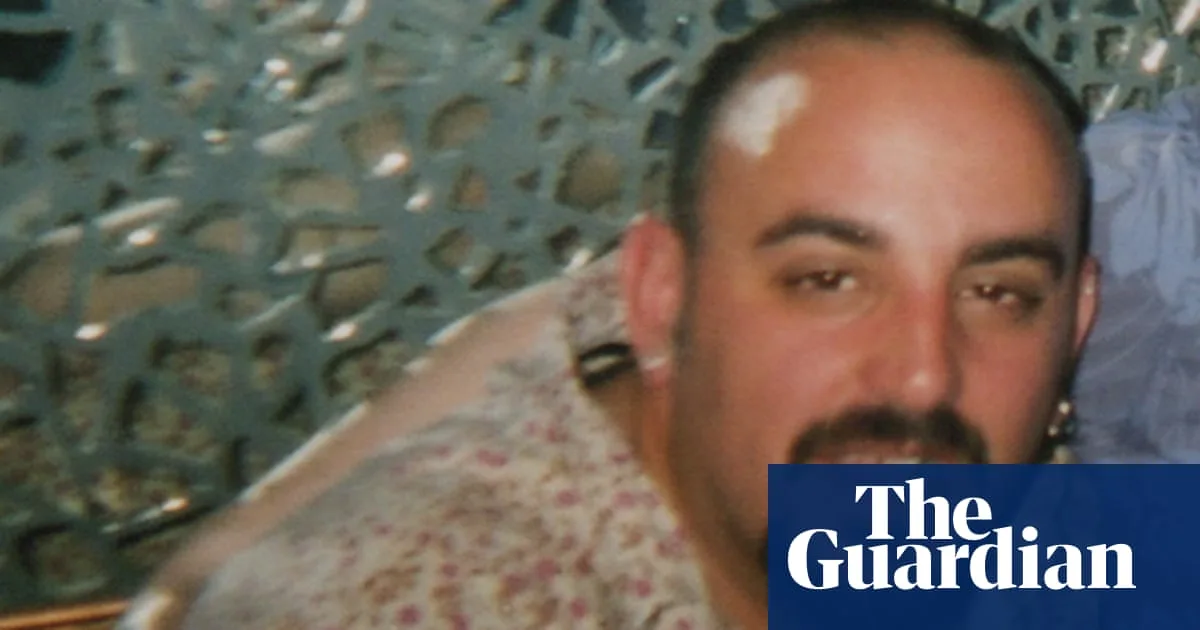
In a startling revelation at the ongoing spycops inquiry in the United Kingdom, an undercover police officer has been accused of attempting to incite three anti-fascist activists to commit arson by firebombing a shop. The officer, Carlo Soracchi, who operated under the alias Carlo Neri, infiltrated leftwing and anti-fascist groups for six years in the early 2000s.
Allegations of Agent Provocateur Behaviour
Testimony from the activists, Joe Batty, Dan Gillman, and Steve Hedley, detailed how Soracchi allegedly suggested the firebombing on two separate occasions. According to their accounts, Soracchi raised the idea during a New Year's Eve party in 2002 and again while driving through Maida Vale in west London. The shop in question was purportedly a front for far-right activities, linked to Roberto Fiore, a fascist suspected of involvement in a railway station bombing in Italy.
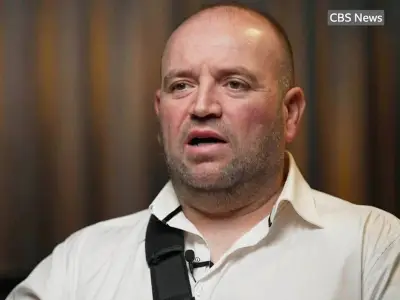
The activists firmly rejected the proposal, stating they had no intention of engaging in terrorism. Batty recounted that Soracchi's comments were designed to "pique our intention," while Hedley described telling the officer not "to be so stupid." They argued that Soracchi, having found no criminal activity during his infiltration, may have sought to entrap them to justify his surveillance efforts.
Disputes Over Surveillance Reports and Fabrications
Soracchi has denied the incitement allegations, instead accusing Gillman of originating the firebombing plot. Gillman has refuted this as an "absolute lie," pointing out that Soracchi failed to file a written report about such a significant suggestion, which would have been standard procedure to validate his spying mission. Gillman noted that Soracchi meticulously documented even minor conversations, making the omission suspicious.
Beyond the firebombing claims, Soracchi is facing broader accusations of fabricating or exaggerating secret reports about the groups he monitored. The spycops inquiry, which examines the conduct of approximately 139 undercover officers from 1968 to at least 2010, will question him next month on these alleged inaccuracies. David Barr, the inquiry's chief barrister, highlighted that witnesses have challenged the reliability of Soracchi's surveillance records.
Personal Deceptions and Ongoing Scrutiny
During his deployment, Soracchi formed intimate relationships with three women using his fake identity, a practice that has drawn criticism for ethical breaches. He will be questioned about why he deceived these women by concealing his true role as a police officer. This aspect underscores the personal toll of undercover operations, which have sparked public outrage over abuses of power.
The inquiry continues to delve into these matters, with Soracchi's upcoming testimony expected to shed further light on the extent of misconduct. The case highlights ongoing concerns about police overreach and the integrity of surveillance tactics in democratic societies.