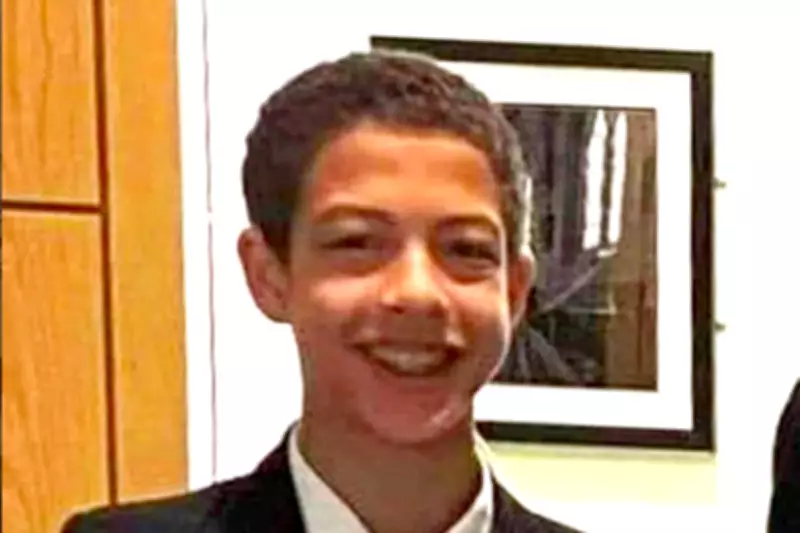
The inquest into the tragic death of schoolboy Noah Donohoe has entered its seventh week at Belfast Coroner's Court, with a jury hearing detailed evidence about the police response to his disappearance in June 2020. Chief Inspector Robinson testified that police "gripped" the seriousness of the investigation at an early stage, describing the overall response as "very good."
Police Response and Compliance Review
Chief Inspector Robinson, an experienced officer in missing persons cases who has trained hundreds of colleagues, told the court he conducted a "compliance review" of the police handling of Noah Donohoe's case in 2020. He identified five areas of non-compliance with Police Service of Northern Ireland (PSNI) procedures, including issues around recording risk assessments. Despite these findings, he emphasized that the investigation was taken seriously from the outset.
Defence of Police Actions
Mr Robinson referenced a more detailed review by Inspector Neill in August 2020, agreeing with its general conclusion that there had been a "very good response to the investigation." He stated, "To be clear, I agree with the general thrust of the report that it was a good response." The officer highlighted that "a large amount of police resources were engaged at a very early stage," and he did not believe appointing a senior investigating officer earlier would have benefited the case.
Addressing Criticisms and Evidence
When questioned by coroner's counsel Declan Quinn about whether the identified issues affected the speed or quality of the search for Noah, Mr Robinson replied, "I don't believe so." He addressed Inspector Neill's report, which mentioned police not "fully gripped" due to "missing person fatigue," explaining that his understanding differed. Mr Robinson clarified that "missing person fatigue" referred to cases involving children in the care system, not this investigation, where he saw "the opposite" of fatigue.
Technical and Operational Details
The inquest heard about potential oversights, such as evidence from Noah's mobile phone. Mr Robinson explained that "TLU pings" from the phone on the night he went missing were retrospective, not live, meaning they indicated where the phone had been hours earlier, which "doesn't carry the same weight." He also addressed suggestions that Noah was "missed" on CCTV twice by police the day after his disappearance, acknowledging that "there will always be things in a missing person investigation which could potentially be done better," but this did not change the overall conclusion.
Background of the Case
Noah Donohoe, a 14-year-old pupil at St Malachy's College, disappeared in June 2020 after leaving home on his bike to meet friends in the Cavehill area of Belfast. His naked body was found six days later in a storm drain tunnel in north Belfast. A post-mortem examination determined the cause of death as drowning. The inquest, which resumed with further police evidence on Monday, continues to examine the circumstances surrounding his death.
Mr Robinson was also asked about the failure to initially record a culvert in the area where Noah disappeared in the police OEL log. He noted that such information "should be recorded somewhere" if it relates to areas needing search or rule-out. The inquest proceeds as the jury seeks to understand the full timeline and effectiveness of the police investigation into this heartbreaking case.