Palestine Protest Leaders Found Guilty After London March Breached Police Conditions
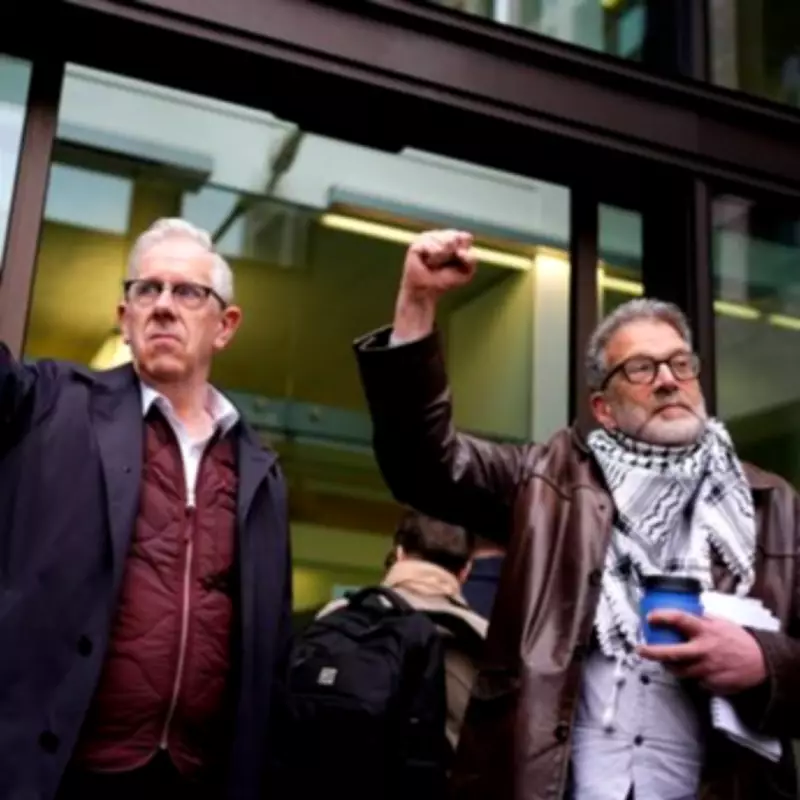
Two prominent pro-Palestine activists have been convicted for violating police-imposed protest conditions during a demonstration in central London. Benjamin Jamal, the 62-year-old director of the Palestine Solidarity Campaign, and Christopher Nineham, the 63-year-old vice chairman of the Stop the War Coalition, were both found guilty following a trial at Westminster Magistrates' Court.
Charges and Court Proceedings
The charges stemmed from a demonstration on January 18 last year, where attendees were required to remain on Whitehall for a static rally. Both Jamal and Nineham were charged with failing to comply with this condition. Additionally, Jamal was convicted on two counts of inciting fellow protesters to breach police conditions.
District Judge Daniel Sternberg addressed the defendants directly in court, stating, "I accordingly find you guilty on each of the charges." The trial revealed that protesters had initially planned to assemble outside Broadcasting House in Portland Place before marching to Whitehall, targeting the BBC over perceived bias in its reporting.

Police Restrictions and Safety Concerns
The Metropolitan Police imposed restrictions under the Public Order Act to prevent the rally from gathering near a central London synagogue on Great Portland Street. This decision was made amid concerns that the protest would pose a threat to the safety of the Jewish community. Commander Adam Slonecki, who oversaw the policing operation, cited fears that national demonstrations had "a severely adverse impact on a significant portion of the Jewish community who had become fearful of attending the synagogues during protest."
When police and organisers failed to agree on a route, the force subsequently banned protesters from marching altogether. At a meeting with police on January 8, Jamal indicated his group was willing to engage with officers and seek compromises but would not bow to what he described as "unacceptable political pressure by people who have got a pernicious agenda."
Protest Actions and Court Evidence
In a statement posted on social media platform X on January 13, the Palestine Solidarity Campaign announced the group would gather in Whitehall before heading towards the BBC "in an orderly fashion," concluding with the hashtag #WeWillMarch. Jamal reshared this post, which was presented as evidence during the trial.
A recording of a speech Jamal delivered to thousands of demonstrators in Whitehall was played in court. In his address, he declared, "This week the police tried to impose upon us a route for a march which had been approved by the Board of Deputies of British Jews. We, the Palestine Solidarity Movement, decide where we protest, not the board of deputies, not the Chief Rabbi, not the Community Security Trust, not any Zionist group that has supported Israel's genocide and its 76 years of apartheid."
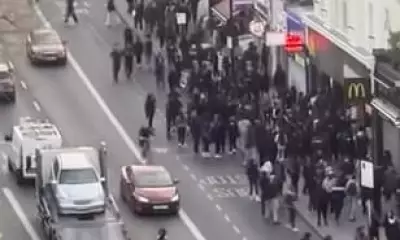
Jamal told the court that a delegation of leaders from the six groups behind the march planned to walk towards the BBC, carrying flowers they intended to lay at the corporation's Portland Place headquarters. Prosecutors presented footage showing crowds following Jamal and others, with people moving towards a police cordon that "eventually buckled under the pressure of large numbers of people moving forward."
Sentencing and Support
At Wednesday's hearing, Nineham received a conditional discharge of 12 months, while Jamal was given an 18-month conditional discharge. Both were ordered to pay £7,500 each towards prosecution costs and a £26 victim surcharge, with the full amount due within 12 months.
Defence barrister Mark Summers KC argued that Jamal and Nineham had "given their lives to voluntary service" and were "not in a position to pay anything," suggesting any required sum would be "met with donations from the supporting public."
The public gallery was packed with supporters during the hearing, including former Labour leader Jeremy Corbyn, with some applauding as the defendants departed the court. Outside the building, scores of pro-Palestine protesters assembled, brandishing placards with slogans such as "defend the right to protest" and "drop the charges."

This case highlights ongoing tensions between protest rights and public safety concerns in London, particularly around demonstrations related to international conflicts. The convictions underscore the legal consequences for breaching police-imposed conditions, even as activists argue for the fundamental right to peaceful assembly.