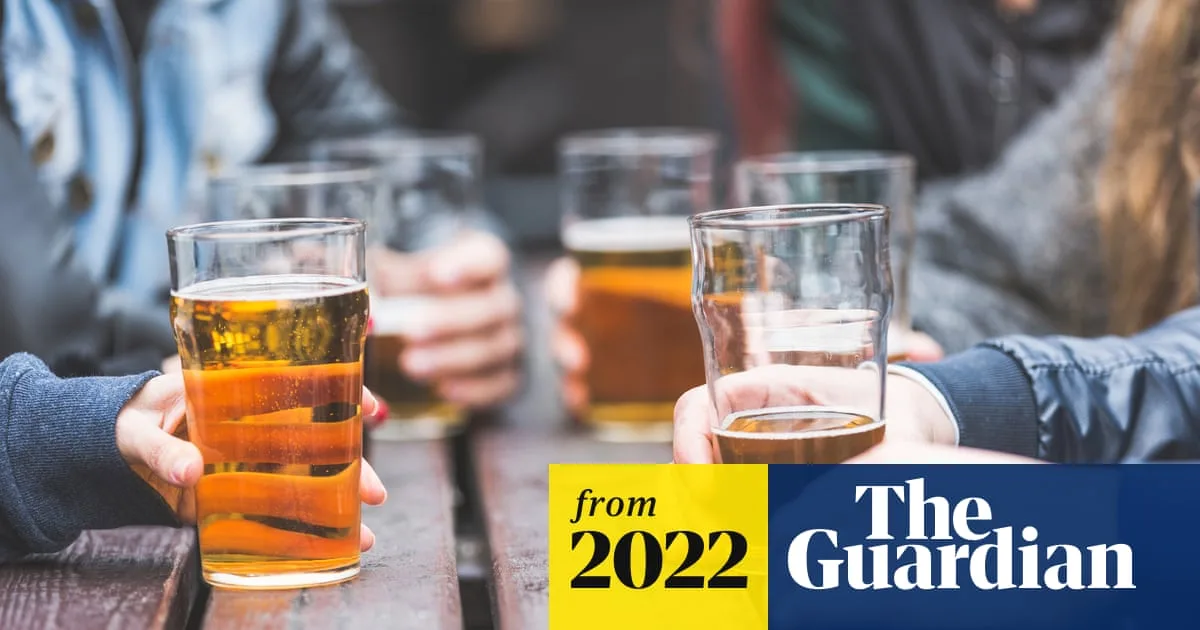
Drink- and drug-spiking has reached 'epidemic' levels in the UK, campaigners have told a parliamentary inquiry. The home affairs select committee heard on Tuesday that up to 15% of women and 7% of men have been spiked, based on a survey of 747 people by the Alcohol Education Trust (AET).
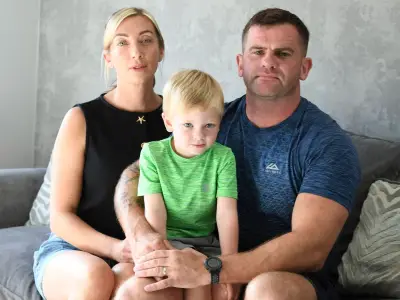
'Now the conversation seems to be not, 'Has anybody been drugged this weekend?' It's, 'Who has been drugged this weekend?' It's so commonplace,' said Hannah Stratton, a 51-year-old from Cornwall who said she and her two daughters had been spiked. She added that 100 people contacted her after she blogged about her experience.
AET chief executive Helena Conibear told MPs that only 8% of spiking incidents were reported to police or medics. Data from 23 forces revealed 1,466 reports of spiking last year, up from 722 the year before. Despite the rise, Conibear noted that charges fell drastically: nine in 2019, eight in 2020, and just one known in 2021.

'The reason why spiking is so prevalent is because the perpetrators know that there are no ramifications at the moment,' Conibear said, urging MPs to make spiking a specific criminal offence. Dawn Dines of Stamp Out Spiking campaign agreed.
Personal accounts highlighted the severity. Zara Owen, a 20-year-old Nottingham University student, told how she was injected with drugs at a nightclub. Alexi Skitinis from south Wales described 'severe' kidney problems after his drink was spiked in Las Vegas, adding, 'I know the majority of people who are spiked are females, but anyone can be spiked at any time.'
Conservative MP James Daly asked if spiking was 'the most widespread criminal repeated act at this moment in time in this country', to which both Conibear and Dines answered yes.