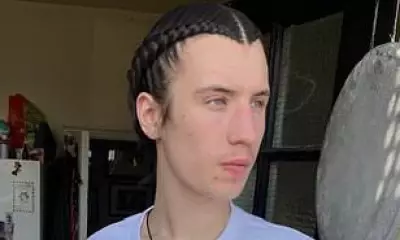
An expert witness has told an inquest that it is likely Noah Donohoe was alive when he entered a storm drain in north Belfast where his body was later discovered. The 14-year-old schoolboy was found dead in the storm drain tunnel on June 27, 2020, after going missing for six days following his departure from his south Belfast home on his bicycle to meet friends in the Cavehill area.
Post-Mortem and Inquest Proceedings
A post-mortem examination concluded that the probable cause of death was drowning. The inquest into his death, which includes a jury, resumed on Monday after the Easter break at Belfast Coroner’s Court. The proceedings featured a report by Professor Carolyn Roberts, commissioned by the Coroner’s Service, who visited the site and reviewed extensive materials.
Expert Analysis of the Incident
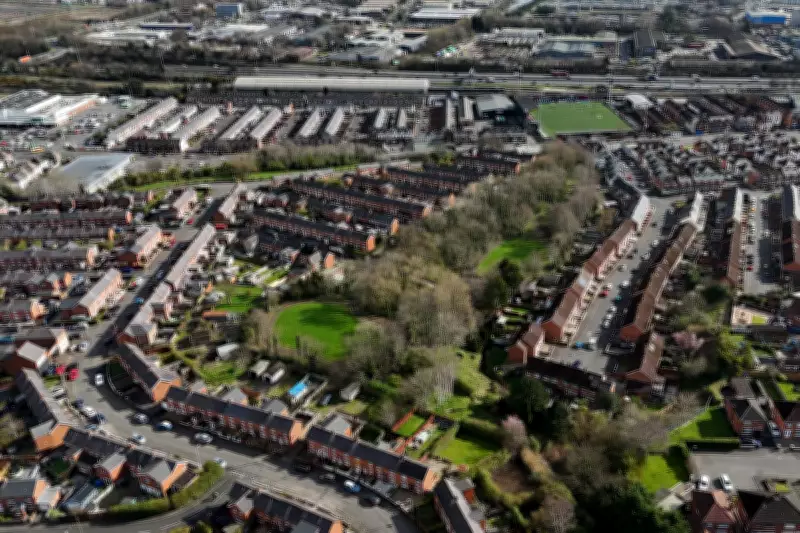
In her report, read to the inquest, Professor Roberts found that Noah likely climbed through the bars of a metal grille into the storm drain before drowning. She noted that the bars were spaced widely enough for a large child or small man to pass through without significant effort. The storm drain tunnel extends under the M2 motorway, train tracks, and Seaview stadium, leading to Belfast Lough.

Professor Roberts suggested that Noah probably walked in a crouched position within the tunnel, and with rising water levels and poor lighting, he may have become disorientated. High tide was estimated to have occurred between 11:30 PM and midnight on June 21, 2020, providing ample time for him to travel several hundred metres along the culvert after his last sighting.
Her report detailed that water levels likely rose to nearly fill the culvert around the location where his body was found, creating conditions conducive to drowning. She added that the cold temperatures and complex network of pipes could have led to confusion, making it unlikely he survived multiple tidal cycles given his naked state.
Safety Concerns and Expert Disagreements
The inquest also heard critical evidence regarding public safety at the Premier Drive culvert. Dr. Mark Cooper, in his report, described a risk assessment by the Department for Infrastructure as "very rudimentary," focusing on risks to staff rather than the public, despite a nearby children’s playground. He argued that the department’s approach seemed like "head in the sand" and noted that the lack of a security screen was crucial to the case.
Diverging Opinions Among Experts
In total, four experts provided testimony on Monday, responding to 57 questions. Jeremy Benn, another expert, disagreed with Dr. Cooper, stating that security screens do not entirely eliminate risks and can themselves cause deaths by trapping individuals. He cited data indicating screens had contributed to more public deaths than culverts over a decade.
Engineer Brian Pope countered Mr. Benn’s assessment, suggesting that if the department had followed 2009 Environment Agency guidance during a 2017 refurbishment, a security screen would have been installed. He argued that hazards were just above the threshold for such a screen and that Mr. Benn underestimated conditions like steepness in the culvert.
The inquest is set to continue on Tuesday morning, with further deliberations expected on the circumstances surrounding Noah Donohoe’s tragic death and the associated safety measures.