Two New York City police officers have been cleared of criminal charges in the fatal shooting of a 19-year-old man during a mental health emergency last year, a decision that has provoked strong condemnation from the victim's family.
The Attorney General's Decision
The Office of Special Investigation under New York State Attorney General Letitia James announced on Thursday, 5 December 2025, that it would not prosecute Officers Salvatore Alongi and Matthew Cianfrocco. The office concluded that a prosecutor could not disprove beyond a reasonable doubt that the officers' use of deadly force against Win Rozario was unjustified.
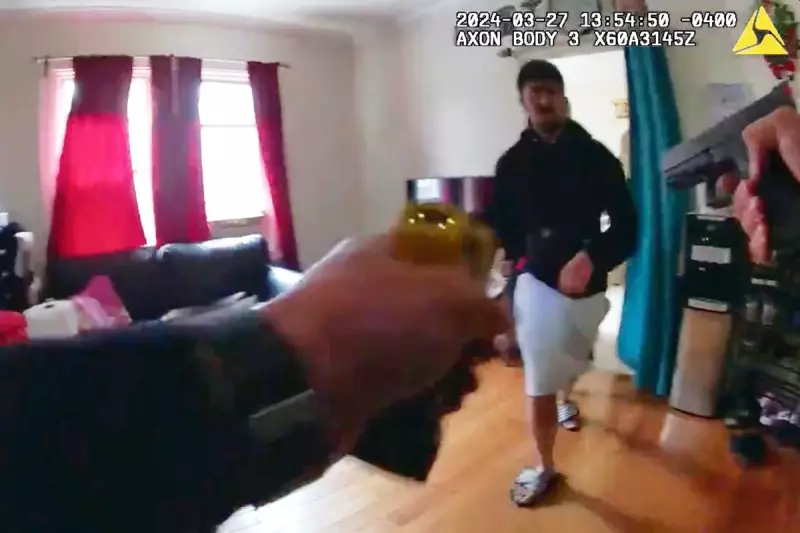
The incident occurred on 27 March 2024 at the Rozario family home in Queens. A family member had dialled 911, reporting that the 19-year-old was "acting mad erratic" and might be on drugs. Body camera footage later released by police showed the subsequent confrontation.

A Rapidly Escalating Confrontation
According to the official report and video evidence, the situation deteriorated quickly after the officers entered the home. Win Rozario seized a pair of scissors in the kitchen and moved towards the officers, prompting one to fire a Taser. His mother, Notan Eva Costa, managed to take the scissors from him and pleaded with police not to shoot as she placed them on a chair.
The crisis escalated again when an officer deployed a Taser a second time. Rozario then picked up the scissors and advanced towards the officers. One officer then fired his service weapon. As Rozario's mother and brother, Utsho, rushed to him, police shouted for them to get out of the way. Officers then fired again as Rozario, still holding the scissors, moved towards them. He was struck five times.
Family Outrage and Calls for Systemic Change
In a statement released through the Justice Committee advocacy group, Win Rozario's parents and brother denounced Attorney General James's decision not to indict the officers. "We were safe in our home until Officers Cianfrocco and Alongi walked in and created chaos," the family stated. They argued that the NYPD should not be the primary responders to individuals experiencing a mental health episode.
The case has intensified the debate over how police handle mental health crises. The Special Investigation report itself included several key recommendations for reform:
- Expanding a citywide pilot programme that sends paramedics and mental health professionals as first responders to such emergencies.
- Providing more training for officers on de-escalation and mental health response.
- Enacting state law to facilitate public health-based responses to mental health and substance use crises.
Mayor-elect Zohran Mamdani, whose platform includes expanding mental health services, called Rozario's death a "senseless tragedy." He emphasised the ongoing obligation to prevent similar incidents and to invest in genuine public safety and social services.
Despite avoiding criminal charges, Officers Alongi and Cianfrocco still face an internal disciplinary trial brought by the city's Civilian Complaint Review Board over allegations of excessive force. The Rozario family has also filed a civil lawsuit. Patrick Hendry, president of the New York City Police Benevolent Association, defended the officers, stating they were forced to make split-second decisions in a difficult and dangerous situation.