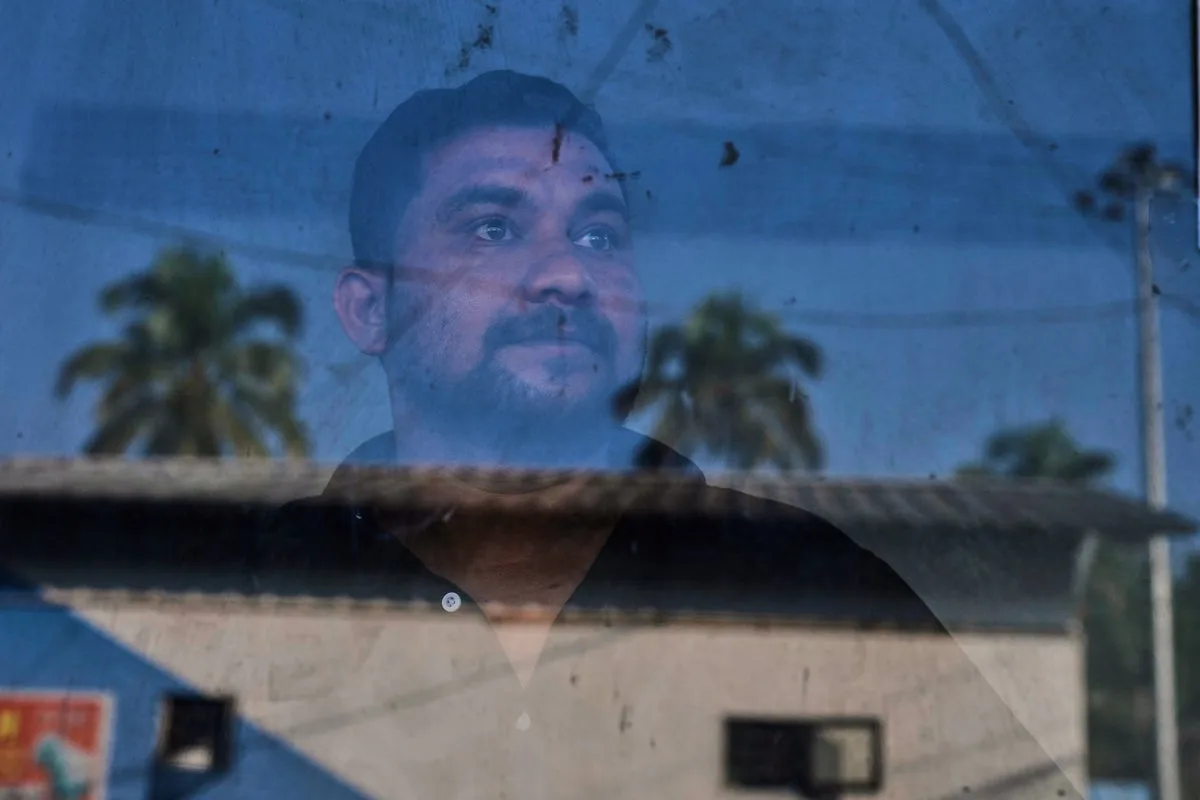
An investigation by the Associated Press and FRONTLINE has revealed how American technology is being exploited by global scammers operating from compounds in Myanmar. The probe found that AI models from US companies, including ChatGPT and Gemini, are used to build software that enables scammers to communicate across dozens of languages, monitor workers, and target victims worldwide. One trafficked worker, Safeer Mohammed Koorimannil, said he impersonated a Singaporean woman and chatted with over 100 people per shift, targeting 50,000 victims in a month from at least 17 countries.
The infrastructure supporting these scam compounds relies heavily on US-based services. An analysis of over 200,000 device connections from four compounds linked to sanctioned entities found that one in five signals was carried by a US-registered company. Providers include Cogent Communications, AT&T, DigitalOcean, and Oracle. Additionally, Starlink, Elon Musk's satellite internet company, is the top internet provider in Myanmar, including to scam centers, despite a widely publicised crackdown last year.
Since a high-profile crackdown along the Thai border last autumn, at least 25 new scam compounds have been built inside Myanmar. Satellite imagery shows that scammers from at least 13 of these outposts used Starlink IP addresses to get online between early March and the end of May. The AP found no evidence that the companies involved are breaking the law, but the abuse of their tools raises questions about enforcement of terms of service that prohibit fraud.

Watchdogs say these companies have the technical capacity to do more to prevent abuse but lack legal, regulatory, and business incentives to crack down on a crime that cost Americans nearly $200 billion in 2024, according to the Federal Trade Commission. The investigation highlights how American technology is present along the entire digital supply chain, from AI models to satellite dishes and internet service providers, enabling scammers to operate with unprecedented speed and scale.