Police Investigation Failures Delayed Justice for Suffolk Strangler Victims
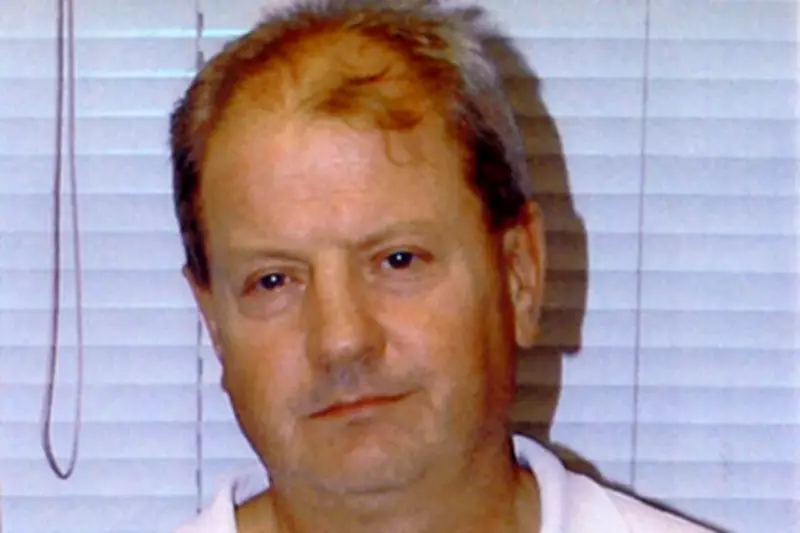
The lengthy twenty-six year wait to bring Victoria Hall's murderer to justice has exposed multiple critical missed opportunities that might have allowed police to apprehend serial killer Steve Wright much earlier. Known as the Suffolk Strangler, Wright was only arrested for Ms Hall's death in 2021, despite having committed the horrific crime in September 1999. By that time, he was already serving a whole life sentence for murdering five women near his Ipswich home in 2006.
Dismissal of a Critical Witness Account
One of the most significant failures occurred the night before Wright abducted Victoria Hall, when he attempted to kidnap another woman, Emily Doherty, in Felixstowe. Ms Doherty, then aged twenty-two, managed to escape and immediately reported the incident to police. In her statement, she described how special constables dismissed her account, focusing instead on questioning how much she had drunk that evening.
"They didn't believe me," Ms Doherty recalled. Despite providing the car registration number of her attacker, officers made no notes and declined her offer to visit the police station the following morning. "They told me to forget all about it," she said. When police later sought her information, Ms Doherty was out of the country and could only provide limited details over the phone.

For twenty-five years, Ms Doherty has wondered: "What if they had taken my statement, could Victoria still be alive right now? Or at the least, they could have found the murderer sooner. And then, if it was indeed Steve Wright, the London Road murders wouldn't have happened."
Abandoned Vehicle Investigation
In 2000, police halted crucial research into vehicles possibly linked to Victoria Hall's abduction based on Ms Doherty's description. The court heard that investigators had identified fifty-six vehicles in Suffolk matching the partial registration number provided, including Wright's Ford Granada Scorpio. A senior investigating officer marked this line of inquiry as needing "no further action."
The prosecution revealed that police failed to consider an additional part of the registration number Ms Doherty had provided. Had they done so, the suspect vehicle list would have narrowed to just ten possibilities. Wright sold his Ford Granada Scorpio in a part-exchange deal within days of the murder, further complicating the investigation.
Missed DNA Collection Opportunities
Wright's DNA could have been collected years earlier, potentially preventing further tragedies. In 1995, he accepted a police caution for damaging and stealing a former partner's car, but no DNA sample was taken at that time. It wasn't until 2001, when Wright was charged with a series of thefts, that his DNA was finally added to the national database following his conviction.
This DNA eventually led to his identification as the suspect in the murders of Tania Nicol, Gemma Adams, Anneli Alderton, Paula Clennell and Annette Nicholls. However, it required further scientific advances before Wright's DNA could be linked to swabs taken from Victoria Hall's body, demonstrating how earlier collection could have accelerated the investigation.
Suspicious Behavior Overlooked
Wright's behavior following Victoria Hall's murder should have raised red flags among his colleagues at Felixstowe docks. On the day her body was discovered, Wright reported an injury at work and remained conspicuously silent when coworkers began discussing the killing. A few days later, when a colleague asked his thoughts on the murder, Wright responded with a menacing look and the ominous statement: "You do not want to know."
These multiple investigative failures created a perfect storm that allowed Steve Wright to remain at large for years, ultimately resulting in additional victims before his eventual capture and sentencing to forty years for Victoria Hall's murder. The case highlights critical lessons about witness credibility, thorough investigation procedures, and the importance of early DNA collection in serious criminal cases.