Chinese National Arrested at Nairobi Airport with 2,238 Live Ants in Luggage
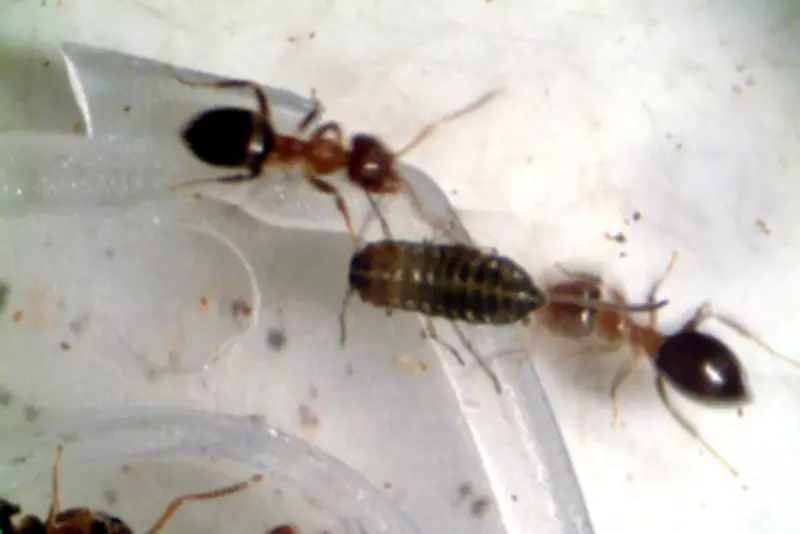
A 27-year-old Chinese national, Zhang Kequn, has been apprehended at Nairobi's Jomo Kenyatta International Airport after authorities discovered more than 2,200 live garden ants concealed within his luggage. The arrest, which occurred on Tuesday, underscores a burgeoning and concerning trend of insect smuggling within Kenya, targeting species that are ecologically vital yet often overlooked.
Details of the Seizure and Investigation
Investigators conducting a search of Zhang's luggage recovered a total of 2,238 ants. Among these, 1,948 ants were meticulously packed in individual test tubes, while the remaining specimens were hidden within three rolls of soft tissue paper. Zhang, who had been in Kenya for a period of two weeks, reportedly informed authorities of three accomplices who supplied him with the illicit cargo.
The Kenya Wildlife Service (KWS) has requested additional time from the court to complete its comprehensive investigation. This includes forensic examinations of an iPhone and a MacBook laptop seized from Zhang. Furthermore, the KWS revealed that a similar consignment of ants, originating from Kenya, was intercepted in Bangkok on the same Tuesday, pointing to the existence of a sophisticated and far-reaching international ant-smuggling network.

Broader Context of Insect Trafficking and Biopiracy
This incident is not isolated. Last year, four individuals were each fined $7,700 for attempting to traffic thousands of ants, species deemed valuable to Kenya's delicate ecosystem. Experts and the KWS assert that this case represents a landmark shift in biopiracy trends. The focus is moving away from iconic, large mammals like elephants to lesser-known species, such as insects, which are no less critical to ecological balance.
The illicit trade is driven by a niche market of enthusiasts who are willing to pay significant sums to cultivate ant colonies. These colonies are housed in specialised transparent enclosures known as formicariums, allowing for observation of the insects' complex social structures. While Kenya does permit the export of ants with the appropriate licenses, the regulatory framework is described as difficult to navigate, potentially creating loopholes exploited by traffickers.
Legal and Financial Implications
Court documents reviewed by Reuters indicate that immigration officials had previously placed a "stop order" on Zhang Kequn's passport. This action was taken because he had evaded arrest in Kenya the previous year. The financial stakes in this trade are substantial. Based on the average retail price of giant African harvester ants in Britain, each of the approximately 5,440 queen ants seized in a related Nairobi airport case is valued at around £175 ($233). This highlights the lucrative nature of the illegal wildlife trade, even for smaller species.
The arrest and ongoing investigation serve as a stark reminder of the evolving challenges in global wildlife conservation, where traffickers are increasingly targeting invertebrates and other less conspicuous species.