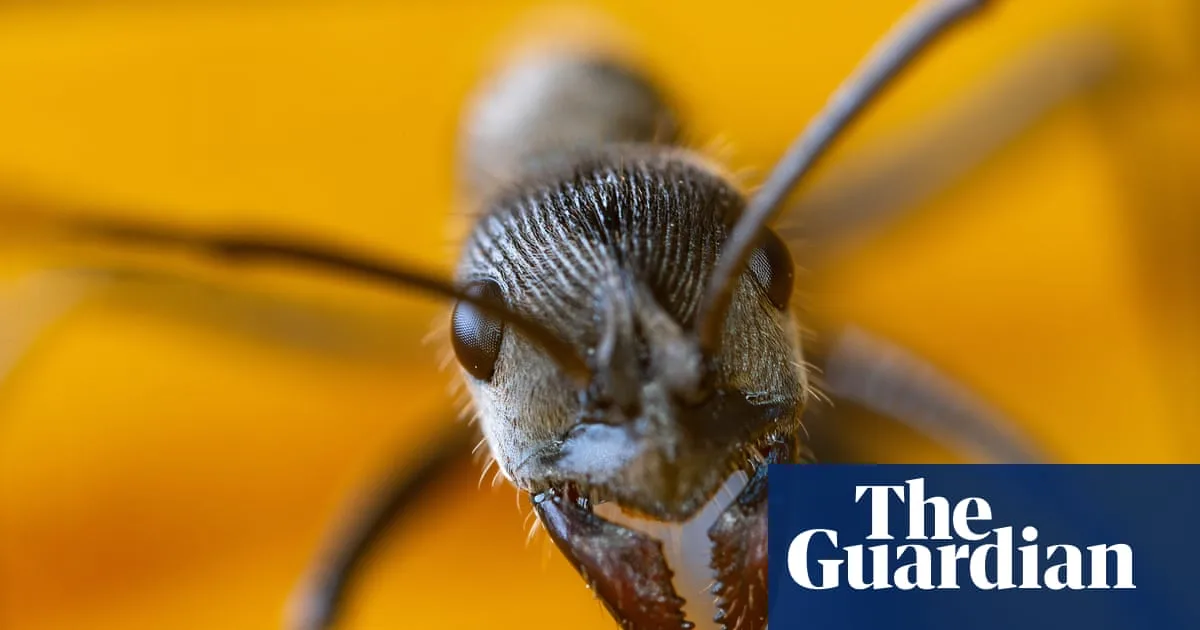
Kenyan Court Charges Chinese National and Local Man in Illegal Ant Smuggling Case
A court in Kenya has formally charged two individuals with the illegal transportation of wildlife, following the arrest of a Chinese national at Nairobi's Jomo Kenyatta International Airport last week. The suspect, Zhang Kequn, aged 27, was apprehended while attempting to leave the country with more than 2,000 live ants in his possession.
Details of the Arrest and Charges
Court documents revealed that Zhang was detained last Tuesday after Kenyan immigration officials flagged his passport with a "stop order." This action was taken because he had previously evaded arrest in the country during the past year. The charges against him include dealing with wildlife species without the necessary permits, a serious offence under Kenyan law.
Prosecutors have also arraigned a second person, Charles Mwangi, on Monday. Mwangi is accused of supplying live ants to foreign traffickers, with authorities linking him to a shipment of ants that was seized in Bangkok on March 10. That shipment originated from the Kenyan port city of Mombasa, indicating a broader trafficking network.
Court Proceedings and Remand
Both Zhang and Mwangi appeared before Senior Principal Magistrate Irene Gichobi, where they pleaded not guilty to all charges. The court has ordered the two men to be remanded in custody while awaiting further directions in the case, which is scheduled for a hearing on March 27. This decision underscores the severity with which Kenyan authorities are treating wildlife smuggling offences.
Background on Ant Trafficking and Biopiracy
Ant enthusiasts, particularly in international markets, often pay significant sums to maintain colonies in large transparent vessels known as formicariums. These containers provide a literal window into the complex social structures and behaviours of ant species, making them highly desirable for collectors and researchers alike.
This case is part of a troubling trend in biopiracy, where traffickers are shifting their focus from traditional trophies like elephant ivory to lesser-known species. Last year, four men were fined $7,700 each for attempting to traffic thousands of ants that are valuable to Kenya's ecosystem. Experts warn that such activities pose a serious threat to biodiversity and local environments.
The illegal trade in ants and other insects not only disrupts ecosystems but also undermines conservation efforts. Authorities in Kenya and other countries are increasingly vigilant in cracking down on these operations to protect their natural heritage from exploitation.