A federal judge in Kentucky has formally dismissed a proposed settlement between the city of Louisville and the US Department of Justice, which aimed to enact sweeping police reforms following the killing of Breonna Taylor in 2020.
Consent Decrees Withdrawn by New DOJ Leadership
In a ruling dated 31 December, US District Judge Benjamin Beaton ended the proposed consent decree after the Justice Department itself withdrew its support earlier in the year. The department, under new leadership, announced in May it was cancelling proposed consent decrees with both Louisville and Minneapolis.
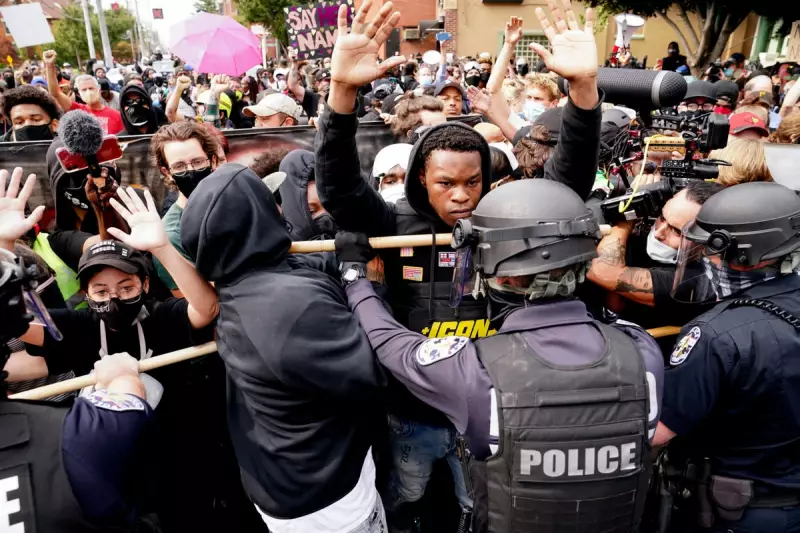
These agreements were designed to address racial bias and abuses within police departments, reforms spurred by the nationwide protests after the deaths of George Floyd and Breonna Taylor. A judge dismissed Minneapolis' proposed decree in May.

Background: A Damning Investigation and Local Reforms
The Justice Department under President Joe Biden conducted a multiyear investigation into the Louisville Metro Police Department (LMPD). A draft report released in early 2023 alleged the LMPD "discriminates against Black people in its enforcement activities," uses excessive force, and conducts searches based on invalid warrants.
New leadership at the DOJ later accused the Biden administration of using flawed legal theories and pursuing costly, burdensome consent decrees. Although the decrees were approved by the Justice Department in the final weeks of the Biden administration, they required judicial approval to take effect.
Judge Beaton wrote that "the responsibility to lead the Louisville Metro Police Department in compliance with federal law must remain with the city’s elected representatives and the people they serve." He added that his ruling does not prevent the parties from pursuing reform independently.
Louisville's Path Forward and Lasting Impact
Following the DOJ's withdrawal in May, Louisville Mayor Craig Greenberg pledged to continue reform efforts. The city has created a local police reform plan and hired an independent law enforcement consulting group as a monitor.
Greenberg stated last month that the city is making progress, including increasing transparency by addressing a backlog of open records requests and mandating that police body camera footage from shootings be made public within 10 business days. "I’m proud of the progress, I know we have a lot more to do together," Greenberg said.
The city had already initiated several changes after Taylor's death in March 2020, including:
- Banning the use of "no-knock" warrants, which were used in the raid that led to her death.
- Launching a pilot program that sends behavioural health professionals to certain 911 calls.
- Paying a $12 million wrongful death settlement to Taylor's family.
In a related development, former Louisville police detective Brett Hankison, who was involved in the Taylor raid, became the first officer to go to prison for his actions. A judge sentenced him to nearly three years for an excessive force conviction, despite the Justice Department's efforts to reduce his sentence to one day of time served. Hankison fired 10 rounds blindly into Taylor's apartment windows but did not strike anyone.