Jess Phillips Reveals Personal Struggle with Courts Backlog as Reforms Pass First Hurdle
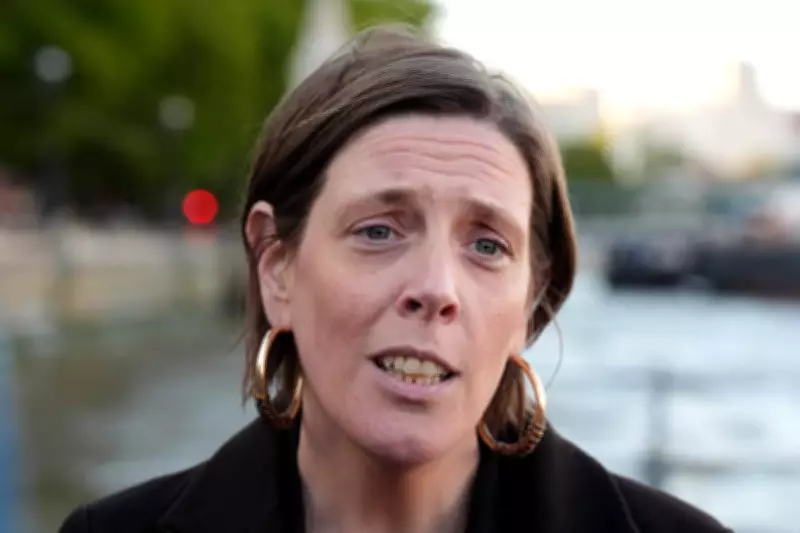
Safeguarding minister Jess Phillips has publicly disclosed that she is a direct victim of the escalating crown courts backlog, with a case involving an alleged breach of a restraining order against her not scheduled for trial until 2028. The Labour MP for Birmingham Yardley shared her experience as the House of Commons voted in favour of sweeping court reforms, including contentious plans to limit jury trials for certain offences.
"I Am a Victim of the Backlog" – Phillips Speaks Out
Speaking to the Guardian ahead of a parliamentary debate, Phillips stated, "I am a victim of the backlog, and I know what it feels like to be a victim of crime." She emphasised that the court system is often exploited to control victims, a tactic well-documented in stalking cases. Despite her personal ordeal, Phillips expressed full support for the government's reform bill, describing the current system as "broken" and in urgent need of change.
Phillips questioned why her case was escalated to crown court instead of being handled at a magistrates' level. She highlighted the broader implications, noting, "It's OK for me. I've got extra security, I've got other safeguards. But imagine that was a breach of an order against a violent ex-husband, and it's going to be heard in more than two years' time. Are you joking? That's absolutely mental."

Lammy's Reforms Face Opposition Amid Backlog Crisis
Justice secretary David Lammy's proposed reforms, part of the Courts and Tribunals Bill, aim to tackle a backlog of approximately 80,000 crown court cases. Key measures include:
- Removing the right to jury trial for crimes likely to result in sentences under three years
- Implementing unlimited court sitting days and "blitz courts" to accelerate proceedings
- Increasing the use of artificial intelligence in court operations
Lammy warned MPs of a "stark" choice, arguing that without action, the backlog could swell to 200,000 cases within a decade. He stated, "Victims are currently worn down, people simply give up, cases collapse and offenders remain free. Free to roam the streets, free to commit more crimes, free to create more victims."
Despite opposition from over 3,200 legal experts, including former judges, who signed an open letter urging reconsideration, the bill passed its second reading with a vote of 304 to 203. Ten Labour MPs voted against it, while 90 had no recorded vote.
Emotional Debate Highlights Victims' Plight
The parliamentary debate saw powerful contributions from MPs sharing personal experiences. Charlotte Nichols, Labour MP for Warrington North, spoke publicly for the first time about being raped, criticising the government's approach. She revealed waiting 1,088 days for her court case, describing it as "agony" exacerbated by public scrutiny.
Nichols accused the government of using victims as a "cudgel" to push through reforms, stating, "The government's framing and narrative has been to pit survivors and defendants against each other in a way I think is deeply damaging." She emphasised that her experience fuels her passion for a truly victim-focused justice system.
Support and Scrutiny for Reforms
While the reforms have sparked controversy, they have also garnered support. A group of over 30 female Labour MPs wrote to Lammy, urging steadfast commitment to modernising the courts. Victims' commissioner Claire Waxman appealed to MPs to heed victims who have suffered job losses, mental health declines, and even suicide attempts due to prolonged waits.
The bill now moves to committee stage, where MPs are expected to propose significant amendments. The reforms, which exceed recommendations from Sir Brian Leveson's reports on the crisis, aim to restore swift justice but continue to face scrutiny over their impact on legal rights and victim support.