Israeli Fighter Jets Intercept Passenger Flight Over Wi-Fi Hotspot Panic
In a dramatic aviation incident, the Israeli Air Force was forced to scramble multiple fighter jets to escort a commercial passenger plane to safety on Sunday afternoon. The emergency response was triggered after a child inadvertently changed a phone's Wi-Fi hotspot name to the Arabic word for 'terrorist', sparking widespread panic onboard.
Flight Details and Escort Operation
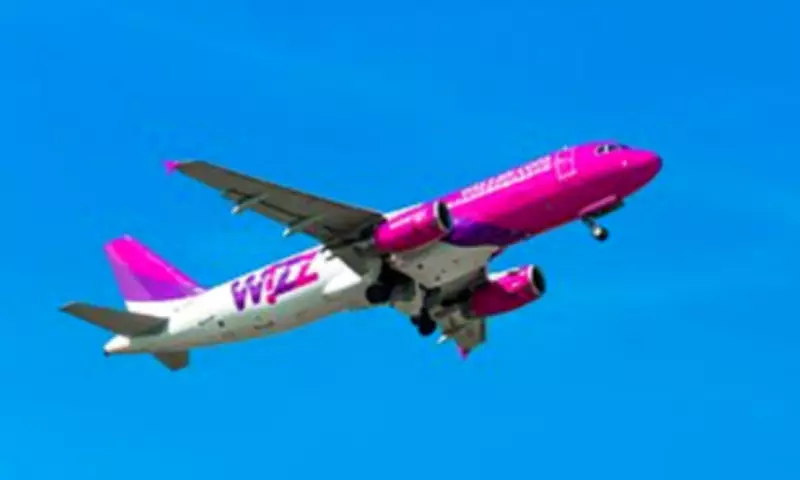
The aircraft involved was Wizz Air flight W95301, which was traveling from London's Luton Airport to Ben Gurion Airport near Tel Aviv. According to Israeli media reports, the situation unfolded when an ultra-Orthodox couple onboard received what appeared to be a threatening message on their mobile device.
The message was actually the name of their phone's Wi-Fi hotspot, which their son had changed to the Arabic term for 'terrorist'. This seemingly innocuous prank quickly escalated into a full-scale security alert as other passengers became aware of the situation.

Flight tracking data from FlightRadar revealed that the aircraft executed three complete loops over the Mediterranean Sea, just south of Cyprus, before proceeding to its destination. During this period, Israeli fighter jets were scrambled to provide an armed escort for the commercial flight.
Airport Response and Investigation
Upon landing at Ben Gurion Airport, security personnel conducted thorough investigations of both passengers and their belongings. Bomb-sniffing dogs were deployed to sweep the aircraft and luggage as a precautionary measure.
A spokesperson for the Israel Airports Authority later confirmed to the Times of Israel that 'the aircraft landed, and it was found that there was no real incident.' The authority emphasized that the response followed standard security protocols for potential threats.
Air traffic operations at Ben Gurion Airport were briefly suspended during the incident but returned to normal shortly after the all-clear was given. The Daily Mail has reached out to Wizz Air for official comment regarding the unusual security situation.
Recent Similar Incidents
This incident follows a similar aviation security scare that occurred just weeks earlier. In that case, a Turkish Airlines flight was forced to make an emergency landing at Barcelona's El Prat Airport after a passenger reported seeing another traveler making bomb threats on their phone.
Key details of that previous incident include:
- The aircraft was escorted by both Spanish and French fighter jets over the Mediterranean
- The threat was detected as the plane approached the Italian coast
- Spanish media reported that a female passenger alerted crew members about the suspicious activity
- The aircraft circled multiple times before landing, where it was immediately surrounded by police
These back-to-back incidents highlight the heightened security sensitivities in international aviation, particularly regarding perceived threats communicated through personal electronic devices. Aviation security experts note that even seemingly minor actions can trigger substantial emergency responses in today's security-conscious travel environment.
The Israeli incident serves as a reminder of how modern technology, including personal Wi-Fi hotspots and mobile communications, can inadvertently create security concerns that require significant military and aviation resources to resolve. While both incidents ultimately proved to be false alarms, authorities emphasize that such precautionary responses remain essential for passenger safety.