Exclusive: IRA Victims Sue Gerry Adams for £1 in Historic 'Justice Not Money' Case
In a landmark legal confrontation, three men grievously injured by IRA bombings are suing former Sinn Féin leader Gerry Adams for a nominal £1, insisting their pursuit is solely for justice and truth, not monetary gain. This unprecedented case marks the first time Adams will appear inside an English courtroom, as the claimants seek to establish whether he was ever a member of the IRA during the atrocities.
A Symbolic Sum for a Profound Purpose
The claimants, Jonathan Ganesh, John Clark, and Barry Laycock, are bringing the action at the Royal Courts of Justice in London, alleging Adams exercised command and control within the IRA at the times of explosions in the 1970s and 1990s. They explicitly state the £1 damages are for "vindicatory purposes" to address their loss and suffering, with the trial expected to last seven days before Mr Justice Soole, sitting without a jury.
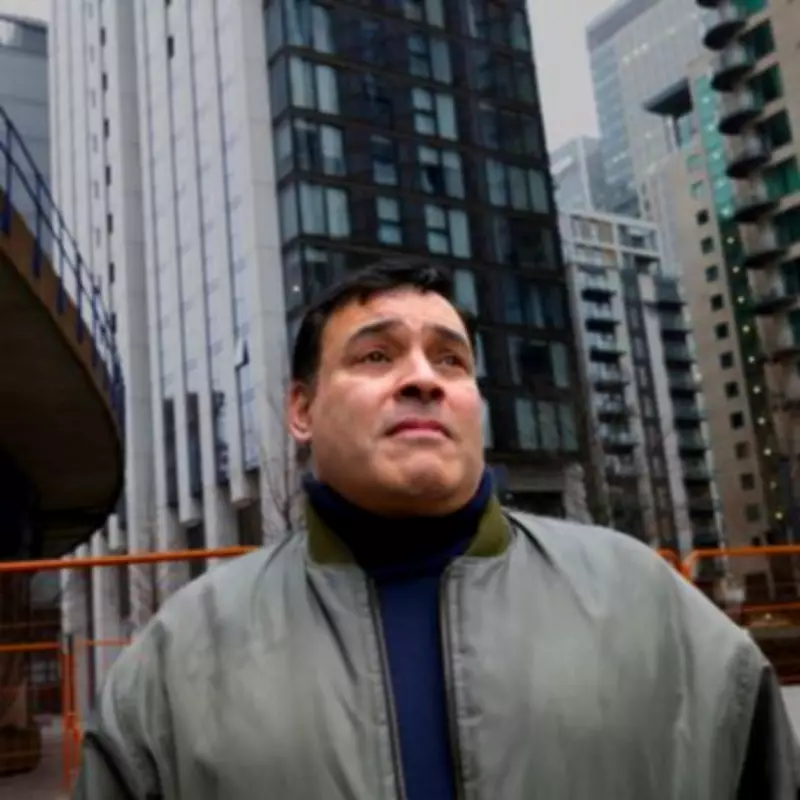
Jonathan Ganesh, a survivor of the 1996 IRA Docklands bomb that killed his friends Inam Bashir and John "JJ" Jeffries, told reporters: "It’s not about the money. It’s never been about money—we are suing for a nominal £1. It’s about justice. It’s about integrity. We need to know the truth."
He added, "I’m part of this legal action in memory of my two friends who were killed that night back in February 1996. It’s also on behalf of all victims of IRA terrorism over the years. We must find out the truth. There can be no more cover-ups."
Crowdfunding and Closure
The case has been propelled by a successful crowdfunding campaign titled "Gerry Adams Time for Truth," which raised £108,000 from 2,246 donations, some as small as £3. This grassroots support underscores public interest in uncovering historical truths about the conflict.
Mr Ganesh, from East London, expressed gratitude: "We managed to fund the case by a crowdfunding campaign. Thousands of people contributed. We are so grateful to them for their generosity—I just hope we don’t let them down." He emphasized the personal stakes, stating, "I wouldn’t shake Gerry Adams’ hand. The IRA tried to kill me with their Libyan Semtex. They haven’t ever said sorry. He’s been forced into court."
Legal and Political Stakes
Matt Jury, solicitor for the three complainants, highlighted the significance: "Finally, after five decades, Adams, for the first time, will appear in person in an English court to be cross-examined by the victims of his alleged leadership of the IRA's terror campaign."
Adams’s spokesperson responded by noting the case comes "decades after the incidents took place and decades after the Good Friday agreement," and suggested it unfolds in a "febrile political atmosphere." The spokesperson claimed, "A significant number of former British Army and intelligence services witnesses will give evidence, effectively, to say that Mr Adams was a senior republican ... and must be responsible for these specific events."
He further argued that some veterans and security personnel remain "deeply hostile to republicans" and see them as "the enemy they failed to defeat," rather than partners in peace.
The Claimants' Stories
The legal action unites victims from different IRA attacks:
- Jonathan Ganesh: Injured in the 1996 Docklands bombing in London.
- John Clark: Injured in the 1973 Old Bailey bombing in London.
- Barry Laycock: A victim of the 1996 Arndale Centre bombing in Manchester.
Their collective aim is to achieve closure and accountability, with Mr Ganesh asserting, "We need some closure and hopefully this court case will bring it. I was told we would never get him into a UK court and here we are—we’ve done it. He will have to appear and give evidence in front of a judge next week."
This case represents a pivotal moment in the long aftermath of the Troubles, focusing on victim-led justice and the enduring quest for truth in the face of historical violence and political complexity.