Peter Hitchens Condemns Labour's Police Force Consolidation Plans
Veteran columnist Peter Hitchens has issued a stark warning to the British public, urging them to resist Labour's controversial proposals to dramatically reduce the number of police forces across England and Wales. Speaking on the Daily Mail's Alas Vine & Hitchens podcast, Hitchens described the plans as a catastrophic move toward state centralisation that would fundamentally undermine effective law enforcement.
The Government's Radical Restructuring Proposal
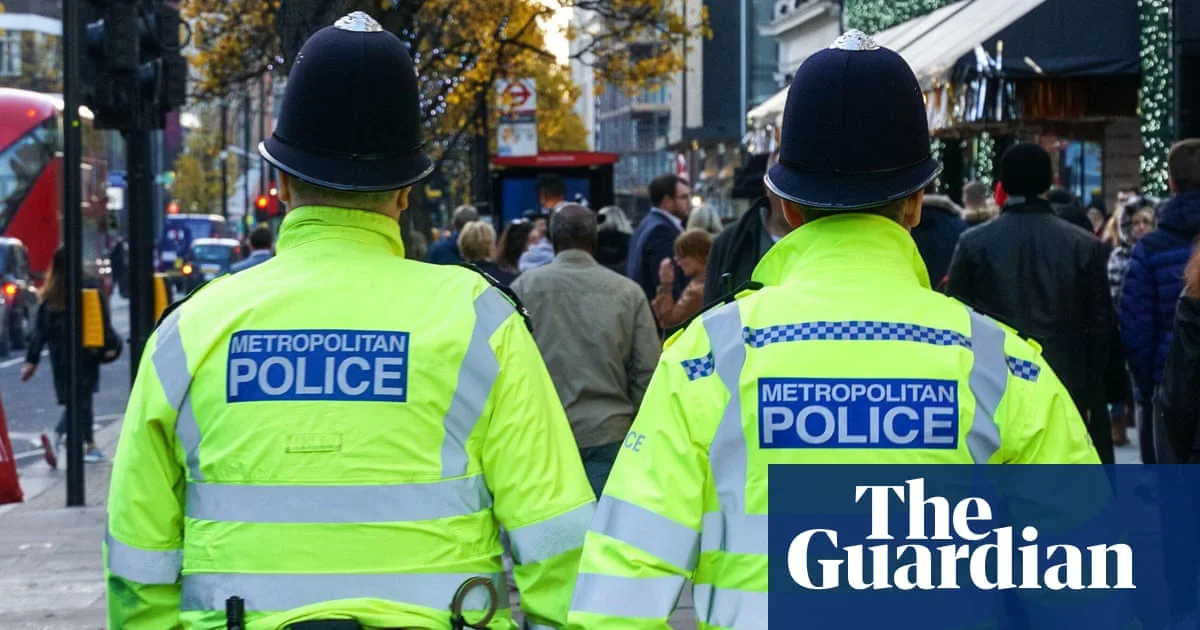
Home Secretary Shabana Mahmood announced to the Commons on Monday what she described as "the biggest shake-up to policing in two centuries." The reforms would see the current 43 constabularies merged into as few as 12 larger regional forces. The government maintains that these consolidated mega-forces would generate significant cost savings while enhancing capabilities against modern criminal threats such as cyber attacks and sophisticated fraud operations.
Hitchens' Dire Warning About Local Knowledge Loss
Hitchens delivered a passionate critique of the consolidation plans during his podcast discussion with co-host Sarah Vine, arguing they would sound "the death knell for local policing." He emphasised that "there is absolutely no evidence that I have ever seen that large, distant police forces are better at combating crime than smaller ones."
The columnist illustrated his point with a personal anecdote from his time in Oxford, recalling an incident where he pursued vandals who had broken his window. "I had to let these lads go because the police never came," Hitchens revealed. "They later told me they couldn't find the road. If you have a local police force, they know the streets. If they're pursuing someone, they know where they likely would have escaped to. These vast, reactive forces with control centres miles away simply will not."
Constitutional Concerns and Accountability Issues
Beyond practical policing concerns, Hitchens raised significant constitutional objections to the proposed mergers. "Bigger, merged forces are not for the benefit of the public," he asserted. "No local authority will be big enough to stand up to them if they're not doing their job. They will become more and more under the control of the central government, which is constitutionally bad. This whole merger really ought to be resisted."
Parallels Drawn With NHS GP Consolidation
Co-host Sarah Vine drew compelling parallels between the police force proposals and previous consolidations within the National Health Service. She argued that the merger of GP surgeries had effectively eliminated the traditional family doctor model, leaving patients struggling to secure appointments with physicians familiar with their medical history.
"There is no substitute for local knowledge when it comes to things like crime," Vine stated. "An analogous situation exists in the NHS with GPs. Family doctors were replaced by clinics, where you had a roster of GPs. You very rarely see the same doctor twice now. Every time you see a GP, they have to get to know you in ten minutes. As a result, the service has declined considerably. Illnesses are missed."
Vine continued: "In the olden days, your GP knew you, they knew if you were just a bit peaky or whether there was something seriously wrong. They have standardized all these services and they have gotten less good."
The Shift From Preventive to Reactive Policing
Hitchens expressed particular concern that the proposed reforms reflect a dangerous philosophical shift in law enforcement priorities—from preventing crime to merely responding to it after harm has occurred. "The purpose of policing always has been to be visible," he explained. "To be a rallying point for the good against the bad, to prevent things from happening. Now, we have organisations who have targets for reaction times."
In one of his most memorable formulations, Hitchens declared: "I have said it before but I will say it again, the police cannot unburgle you, they cannot unmug you, they cannot unstab you, they cannot unmurder you. They are useless after crime, except for collecting information. What you want is someone to stop you from being mugged, stabbed, burgled and murdered in the first place. They don't do that - and this will be yet another step away from that."
Broader Implications for Public Safety
The podcast discussion highlighted several critical concerns about the proposed police force mergers:
- The loss of intimate local knowledge that enables effective crime prevention and investigation
- The creation of distant, bureaucratic structures less responsive to community needs
- The erosion of local accountability mechanisms as forces become larger and more centralised
- The continuation of a troubling trend toward reactive rather than preventive policing
- Parallels with other public service consolidations that have reduced service quality
As the debate over policing reform intensifies, Hitchens and Vine's critique raises fundamental questions about whether larger structures truly deliver better outcomes for public safety, or whether they sacrifice the local knowledge and community connections that have traditionally formed the bedrock of effective British policing.