In a scathing critique, columnist Peter Hitchens has described a new Netflix documentary about convicted nurse Lucy Letby as "a horrible programme" that viewers should avoid watching. The programme, which was released on February 4, has drawn fierce criticism for its portrayal of sensitive moments, including Letby's arrest and her mother's distress.
Graphic Scenes and Private Grief
Hitchens particularly objects to the documentary's opening scene, which features the arrest of Lucy Letby. He writes that the desperate crying of Letby's mother as her daughter is handcuffed and taken into custody "would be quite beyond any actress." He describes the sound as "the sound of a woman having her heart snapped clean in two and then stamped on."
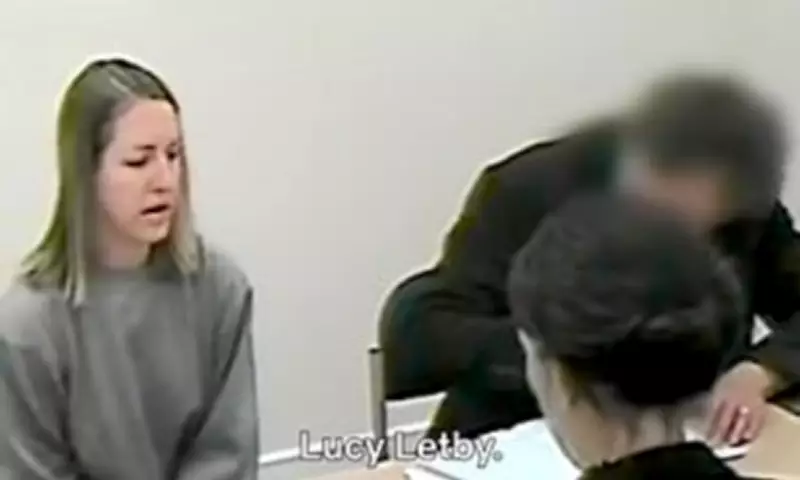
Further distressing footage shows Letby herself during another arrest, "sunk in helpless woe, her face collapsed, moaning wordlessly with her hands over her eyes." Hitchens argues strongly that "there are some things in life which should be kept private" and questions the moral purpose of broadcasting such intimate moments of suffering on television.

Questioning Police Conduct and Presumption of Innocence
The columnist takes specific issue with the documentary's depiction of Letby being chained in handcuffs, supposedly for her safety during transport. He describes this as "creepy" and suggests its certain result is to "humiliate and frighten her" rather than serve any legitimate safety purpose.
Hitchens emphasises that even if Letby is guilty of the crimes of which she has been convicted, "a civilised justice system is entitled to punish those who transgress, to the full extent of the law. But it is not licensed to insult them or their families." He reminds readers that the justice system is "also supposed to presume the innocence of the suspect" - a principle he feels the documentary undermines.
Documentary as Police Propaganda
Having watched the programme twice, Hitchens describes its first hour as "a propaganda vehicle for Cheshire Police" that presents "the throbbing, dark melodrama of alleged evil they produced for the public and the courts." He notes the use of "sinister music" to manipulate viewers' emotions and questions the sincerity of police interviewers who claim "we are not here to judge you."
The columnist references growing criticism of the police investigation, noting that "the Cheshire Constabulary never found any actual evidence that Ms Letby had harmed anybody" and that the Crown Prosecution Service recently declined to act on further evidence presented by police. He suggests the CPS has been "paying close attention to the multitude of experts now pointing out the many flaws and weaknesses in the original trials."
Case for Reopening the Trial
Despite his criticisms, Hitchens acknowledges that the documentary does eventually present "quite a bit of the case for reopening the trial" after what many viewers might consider the too-long initial section. The programme interviews both a bereaved mother and a former colleague of Letby who stands by her.
Strikingly, Hitchens notes that the bereaved mother "appears to recognise that the hospital failed her and her lost daughter" rather than placing blame solely on Letby. He also questions why this mother was telephoned at six in the morning to be informed of an arrest, asking "Why could such a call not wait until a normal hour?"
The Human Cost of Controversy
Addressing concerns that criticising the verdict distresses the parents of babies who died, Hitchens acknowledges this painful reality but poses a challenging question: "if there was no crime, as many now believe, who is most responsible for their grief?"
He concludes by expressing his personal desire to see "one or two of the prosecution witnesses re-examined" and joins those calling for the case to be heard again without what he describes as "all the drama of dug-up gardens, the rubbishy statistics, misinterpreted 'confessions', dubious claims of insulin poisoning which police still seem to think are conclusive."
The documentary thus sits at the centre of an ongoing national conversation about criminal justice, media ethics, and one of Britain's most controversial recent court cases.