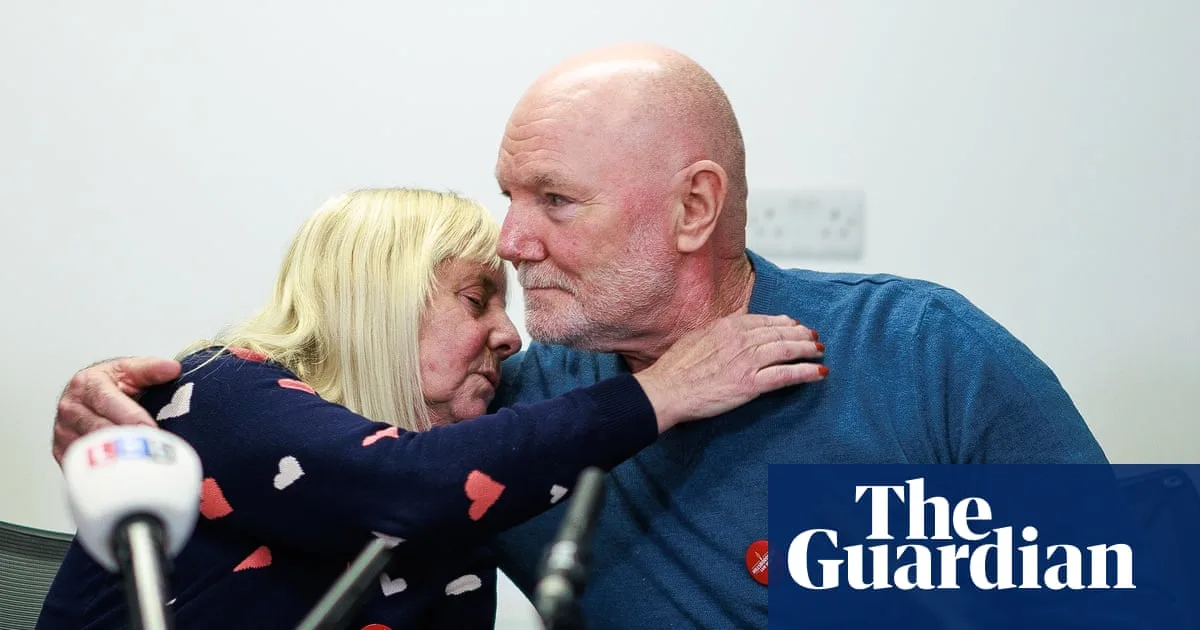
The families of the 97 victims of the 1989 Hillsborough disaster have expressed outrage after the Independent Office for Police Conduct (IOPC) confirmed that no police officer will face disciplinary proceedings over the tragedy. The IOPC's final report, published after a 14-year investigation, found that 12 former officers, most of them senior, would have faced gross misconduct cases if they were still serving. However, because all have retired, and some have died, no action will be taken.
Steve Kelly, whose brother Mike died at Hillsborough, said: 'No one should be beaten by the passage of time. We should have truth, justice and accountability, at least within a person's lifetime.' Margaret Aspinall, whose son James was killed, added: 'How lucky are they [the police officers] to have died in their own home, not traumatised like we all were.'
The IOPC report lists 110 complaints upheld or cases to answer against former officers, including allegations of falsehood, discreditable conduct, abuse of authority, and neglect of duty. Ten of the 12 officers were from South Yorkshire Police, including senior figures responsible for safety at the stadium. The most serious allegations were against the late chief constable Peter Wright, who was accused of seeking to minimise the force's responsibility and deflect blame onto Liverpool supporters.

Two officers from West Midlands Police, which investigated South Yorkshire after the disaster, were also named. Mervyn Jones and Michael Foster would have faced allegations of failing to investigate effectively and being biased against supporters. The IOPC said it did not find that West Midlands officers were generally intimidating or biased, disappointing survivors who had hoped for stronger criticism.
The South Yorkshire Police Federation criticised the report as 'not fair or balanced', arguing that former officers cannot formally respond to the allegations. The IOPC described its investigation as the largest of its kind in England and Wales, spanning 14 years and based in Warrington. The report follows the quashing of the original accidental death verdicts in 2012 and the 2016 inquests that found the victims were unlawfully killed due to gross negligence manslaughter by the officer in charge.