In a case that reads like a horror story, a former morgue manager at Harvard Medical School stands accused of operating a gruesome black market in stolen human body parts, federal authorities have revealed.
The Macabre Operation Uncovered
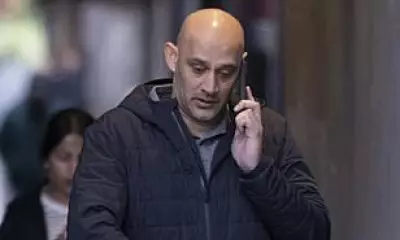
The shocking investigation centres around Cedric Lodge, 55, who allegedly exploited his position at one of America's most prestigious medical institutions to pilfer dissected cadaver parts and sell them to buyers across the United States.
According to court documents, Lodge's wife, Denise, 63, and several others face federal charges for their alleged roles in this disturbing scheme that violated the trust of donors and their grieving families.

How the Grisly Trade Operated
The criminal enterprise followed a chilling pattern:
- Cedric Lodge allegedly stole dissected portions of cadavers donated to Harvard Medical School
- He transported the human remains from Boston to his Pennsylvania residence
- His wife Denise allegedly assisted in shipping the stolen body parts to buyers
- Some transactions occurred through the US Postal Service
Among the horrifying inventory were human heads, brains, skin, bones, and other anatomical specimens that should have been treated with dignity and respect according to donor wishes.
Nationwide Network of Buyers
The investigation has exposed a network of individuals allegedly involved in purchasing these stolen remains. Among those charged are:
- Jeremy Pauley, 41, of Pennsylvania, accused of buying human skin to tan into leather
- Joshua Taylor, 46, of Tennessee, alleged to have spent over $37,000 on stolen remains
- Candace Chapman Scott, 49, who allegedly stole remains from a Arkansas mortuary
Some buyers reportedly used Facebook and other online platforms to communicate about their macabre purchases.
Institutional Response and Fallout
Harvard Medical School has expressed profound regret over the allegations, calling them "an abhorrent betrayal" that "violates the trust of our donors and the public we serve."
The institution has terminated Lodge's employment and is cooperating fully with federal investigators. University officials emphasised their commitment to treating donated bodies with the utmost respect and dignity.
This case highlights serious vulnerabilities in the oversight of anatomical gift programs and raises troubling questions about the security protocols at even the most respected medical institutions.
The defendants face multiple federal charges that could result in significant prison sentences if convicted, bringing some measure of accountability to this deeply disturbing breach of public trust.