Gilgo Beach Serial Killer Expected to Plead Guilty to Eight Murders
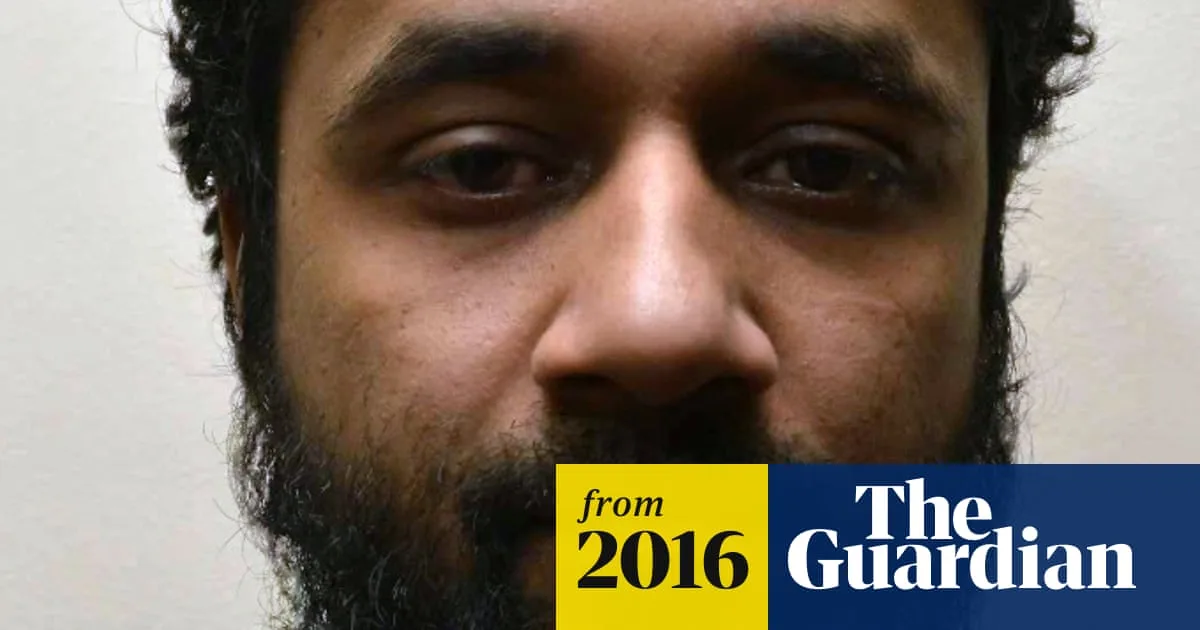
In a stunning development in the long-running Gilgo Beach serial killer investigation, Rex Heuermann is anticipated to enter a guilty plea for the murders of eight women, spanning a terrifying campaign that dates back to 1993. The 62-year-old architect, a married father of two from Massapequa Park, was initially arrested in July 2023 and charged with the murders of three women: Melissa Barthelemy, Megan Waterman, and Amber Costello. Subsequently, he faced additional charges for the deaths of Maureen Brainard-Barnes, Jessica Taylor, Sandra Costilla, and Valerie Mack, bringing the total to seven suspected victims.
Decades of Terror and a Shocking Turn
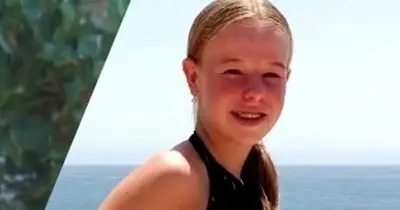
All seven women were believed to be sex workers who vanished between 1993 and 2010, with their remains discovered along Ocean Parkway near Gilgo Beach, a remote stretch of Long Island that became infamous for the gruesome findings. Some victims had been dismembered, while others were bound, wrapped in burlap, and discarded in dense brush. The case first gained attention in December 2010 when the initial remains were found, sparking fears of a serial killer operating in the area.
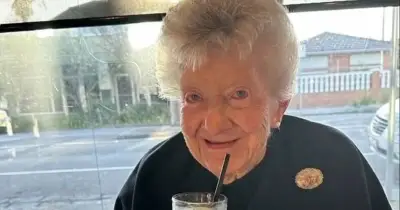
Now, sources indicate that Heuermann will also admit to the murder of an eighth victim, Karen Vergata, a 34-year-old mother of two who disappeared in 1996 and was identified only in August 2023 after years of being known as 'Fire Island Jane Doe.' This unexpected addition to the plea marks a significant breakthrough in a case that has haunted investigators and the public for over a decade.

Legal Battles and a Sudden Shift
For nearly three years since his arrest, Heuermann has maintained his innocence, pleading not guilty to all charges and fighting the evidence against him. He challenged what he called 'magic' DNA technology after hairs from his wife and daughter were found on victims' bodies, pointed to other potential suspects, and sought to sever the charges into separate trials. However, with key rulings against him—including the rejection of attempts to dismiss DNA evidence and split the trials—his defense has faced mounting setbacks.
Legal experts note that the decision to plead guilty is curious, as New York state lacks the death penalty, and Heuermann is almost certain to receive life without parole regardless of a trial. According to criminal defense attorney Sam Bassett, "He has nothing to lose by going to trial, but he might have decided enough is enough and it’s time to get on with his life in prison." Duncan Levin, another attorney, suggests the plea may be about "controlling the process, finality, and the terms of the admission," rather than negotiating a lesser sentence.
Potential Revelations and Civil Lawsuits
A major question surrounding the plea is whether Heuermann will reveal details about his crimes, including motives and possible connections to other unsolved murders. While a guilty plea does not legally require a full confession, he could voluntarily disclose information, similar to how serial killer Dennis Rader detailed his actions in court. However, as Levin explains, "Unless disclosure is made an explicit condition of the agreement, defendants can plead guilty without fully answering the larger mystery."
Meanwhile, the legal fallout has already begun. Benjamin Torres, the son of victim Valerie Mack, filed a wrongful death lawsuit against Heuermann, his ex-wife Asa Ellerup, and their daughter Victoria, seeking damages and the $1 million proceeds from a Peacock docuseries. The suit alleges that Mack's murder was carried out for "ritualistic and demonic purposes," though Ellerup and Victoria have not been accused of wrongdoing by prosecutors. Their attorneys have vehemently denied any involvement, calling the lawsuit "frivolous" and "reckless."
Behind the Decision to Plead Guilty
Experts speculate that Heuermann's change of plea may stem from a realization that the evidence against him is overwhelming, with chilling details already publicized. Prosecutors have revealed a "planning document" from his home detailing body preparation and disposal, along with disturbing internet searches. A trial would have put this evidence "under a magnifying glass," potentially causing further distress to his family and the victims' loved ones.

Bassett adds that Heuermann might have had a "moment of conscience" to avoid putting people through a lengthy trial, or he may seek to control the narrative around his crimes. Regardless, the plea hearing scheduled for April 8 in Suffolk County Court could bring closure to a case that has left a lasting scar on Long Island. As Bassett notes, "People often look to the justice system for complete closure on their emotions, and it always comes up short, but it does provide some level of closure as to the legality."
The outcome remains uncertain: Heuermann could still change his mind, plead guilty without revealing details, or come clean about all eight victims, finally offering answers to the families who have waited decades for justice.