The Federal Bureau of Investigation (FBI) has assumed full control of the investigation into the fatal shooting of a woman by a federal Immigration and Customs Enforcement (ICE) officer in Minneapolis, a move that comes amid escalating tensions and widespread demonstrations across the United States.
Federal Response and Political Fallout
The city of Minneapolis remains on high alert following the incident, which has drawn intense national scrutiny. According to reports, the Trump administration is preparing to deploy more than 100 additional federal agents and officers to Minnesota to manage the volatile situation. The decision has sparked fears of a further escalation in confrontations between law enforcement and demonstrators.
Minnesota Governor Tim Walz has publicly condemned statements from the highest levels of the US government regarding the victim. Walz asserted that President Donald Trump, Vice-President Mike Pence, and Secretary of Homeland Security Chad Wolf have made "verifiably false" claims about the shooting after they labelled the deceased woman a "terrorist". This accusation has added a significant political dimension to the tragedy, deepening divisions over the incident.

Nationwide Demonstrations and Local Unrest
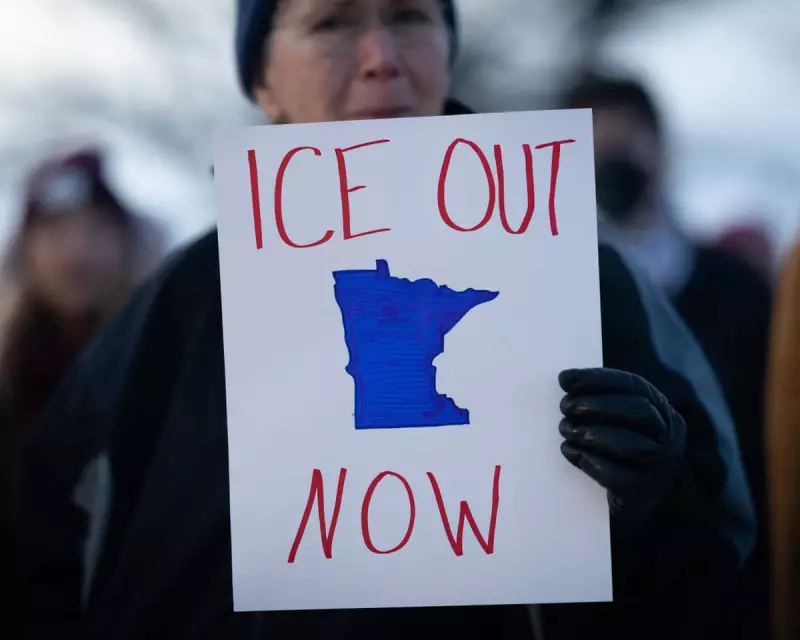
Protests have erupted not only in Minneapolis but in cities across the nation, with demonstrators directly confronting federal agents. The shooting of Renee Nicole Macklin Good has become a flashpoint for broader grievances concerning federal law enforcement practices and immigration policies. The scene in Minneapolis, captured in photographs showing tense stand-offs, underscores the raw emotions and community anger fuelling the unrest.
The FBI's takeover of the case is seen as a critical step towards an independent inquiry, separating the investigation from the agency involved in the shooting. This procedural move is standard in officer-involved shootings but takes on greater significance given the federal nature of the agent and the politically charged atmosphere.
Broader Context and Community Impact
The incident occurs against a backdrop of longstanding community tensions in Minneapolis and a national reckoning over policing and racial justice. The deployment of a substantial federal force is reminiscent of previous controversies in Portland and other cities, raising concerns about the potential for increased conflict. Community leaders are calling for calm and a transparent investigation, while protestors demand immediate accountability for the officer involved.
As the FBI begins its work, the nation watches closely. The outcome of this investigation and the management of the ongoing protests will have profound implications for federal-local law enforcement relations and the ongoing debate over justice and oversight in America.