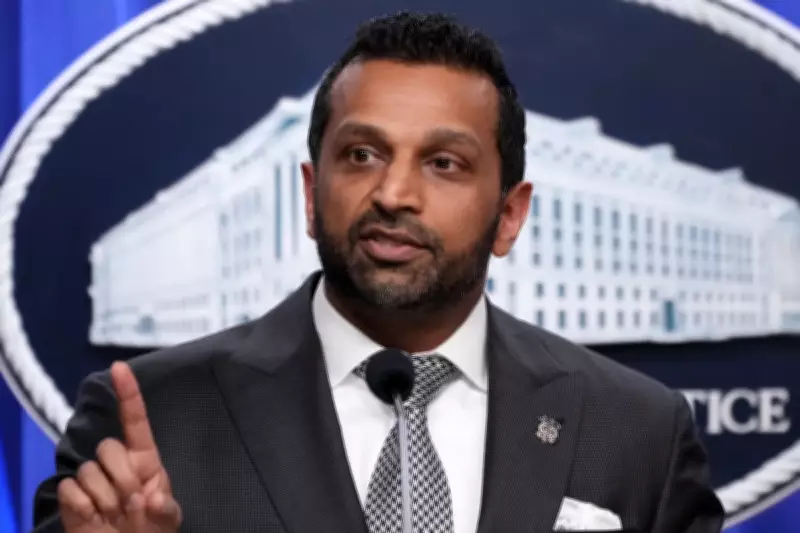
The Federal Bureau of Investigation initiated a formal inquiry into a New York Times journalist following her publication of an article that scrutinised the alleged misuse of federal resources by FBI Director Kash Patel. The investigation targeted reporter Elizabeth Williamson on allegations of stalking, a move that has sparked significant controversy and accusations of First Amendment violations.
Allegations of Misused Federal Resources
Williamson's article detailed claims that Director Patel utilised bureau personnel to provide a security detail for his girlfriend, Alexis Wilkins. The report further alleged that Patel employed a federal SWAT team for her protection and misused an FBI plane for personal travel. These accusations have placed Patel under intense public and professional scrutiny, raising questions about ethical conduct within the agency.
Media and Legal Backlash
The New York Times and its executive editor, Joseph Kahn, have strongly condemned the FBI's investigation, labelling it a blatant violation of Elizabeth Williamson's First Amendment rights. They argue that the probe represents a retaliatory effort to obstruct journalistic oversight and intimidate the press. This incident highlights ongoing tensions between government agencies and media organisations over transparency and accountability.

In response to the allegations, Patel has vehemently denied all claims of misconduct. He has filed a substantial $250 million defamation lawsuit against The Atlantic and its journalist Sara Fitzpatrick, who authored a separate article alleging excessive drinking and unexplained absences by Patel. Patel asserts that these reports are baseless and has vowed to challenge them vigorously in court.
Broader Criticisms and Professional Assessments
Patel's tenure has faced extensive criticism from various quarters. A report compiled by active and retired FBI agents described him as being in over his head, suggesting a lack of preparedness for the director role. These professional assessments, combined with media investigations, have fuelled debates about leadership and integrity within the FBI.
The situation underscores the delicate balance between national security interests and press freedoms. As legal proceedings unfold, the outcome may set important precedents for how government officials interact with the media and address allegations of resource misuse. The case continues to attract attention from legal experts, journalists, and policymakers alike.