A former Metropolitan Police officer is pursuing a substantial £1 million compensation claim against the force, alleging that her mental health was severely damaged by years of investigating harrowing child abuse cases, which ultimately left her with post-traumatic stress disorder and a debilitating phobia of police stations.
Traumatic Career and Psychological Impact
Kirstie Coy-Martin, a 52-year-old former officer from Chichester in West Sussex, contends that her career with the Met, which began in 1997, exposed her to profoundly distressing incidents while she served in child abuse and sexual offence teams between 2005 and 2016. Her legal representatives argue that this work environment was inherently unsafe due to the horrific nature of the crimes investigated, including scenes of abuse and child death.
According to court documents, Ms Coy-Martin's role necessitated attending to such traumatic events, which her lawyers state created a foreseeable risk of psychiatric injury. They allege that the Met failed to take adequate steps to protect her from this harm, despite her long tenure in these high-risk units.

Breakdown and Diagnosis
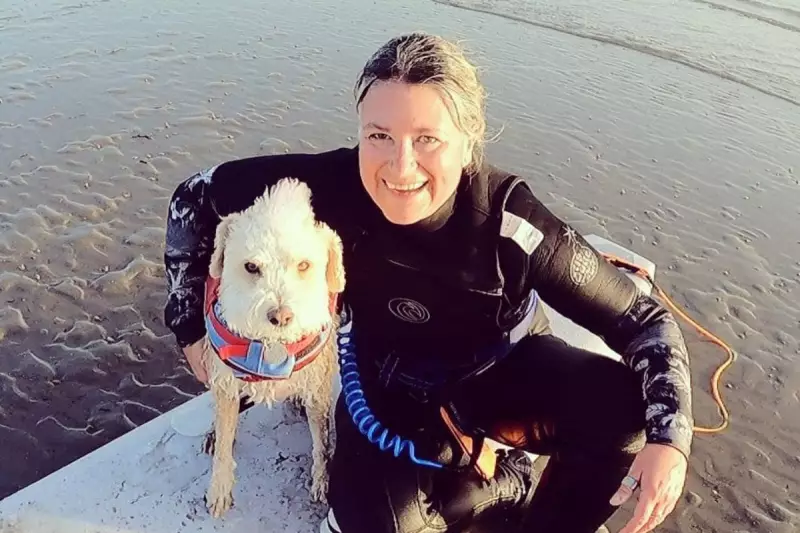
The cumulative stress reportedly led to a massive breakdown, with Ms Coy-Martin being diagnosed with PTSD attributed to her experiences in the child abuse teams. Her condition became so severe that by 2023, she was retired due to ill health. She describes using surfing as a therapeutic "safe space," even teaching her therapy dog, Scooter, to join her on the board.
Her legal claim highlights specific incidents that exacerbated her condition, including being sent paperwork featuring a baby's foot logo, which she identifies as a trigger, and being required to attend police stations despite known psychological impacts. She asserts that even in a later home-based role analysing CCTV footage, being asked to collect evidence from a police building induced panic attacks.
Metropolitan Police's Defence
The Metropolitan Police is vigorously contesting the claim, describing it as "strongly disputed." In their defence, barrister Edwin Buckett argues that it is "incredible" for a serving officer to assert they should not have to attend police stations occasionally. The force denies any negligence, maintaining that the working environment was safe and that Ms Coy-Martin was appropriately assessed and vetted for her roles.
The Met points out that her time in the child and sex abuse teams concluded years ago and insists she did not complain of stress, anxiety, or depression during that period. They attribute her later health issues to other factors, such as an epileptic seizure, physical medical problems, a surfing injury, and an assault by a shoplifter, rather than workplace conditions.
Legal Proceedings and Allegations
Ms Coy-Martin's lawsuit, filed at Central London County Court, accuses the Met of breaching its duty of care as an employer. Her legal team claims there were clear warning signs of impending harm, including her disclosure of antidepressant use, which the force allegedly ignored. They argue that the Met should have implemented better health surveillance and taken action to mitigate the risks associated with her traumatic work history.
Conversely, the Met's defence denies that the teams were inherently unsafe or that psychiatric injury was foreseeable. They state that Ms Coy-Martin was treated reasonably, did not face excessive stress, and received adequate support, with no contribution from the force to her alleged psychiatric condition.
Case Status and Future
The case recently underwent a pre-trial hearing to determine the evidence for a full trial, which is scheduled for a later date unless a settlement is reached beforehand. This legal battle underscores ongoing debates about mental health support for officers in high-stress roles and the responsibilities of employers in safeguarding their wellbeing.