Former Top Met Officer Blames Nottingham Murders on Decades of Policing Decline
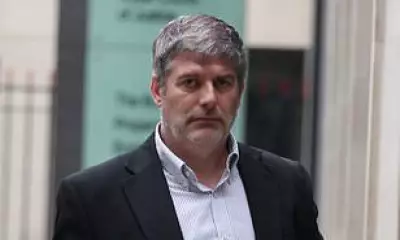
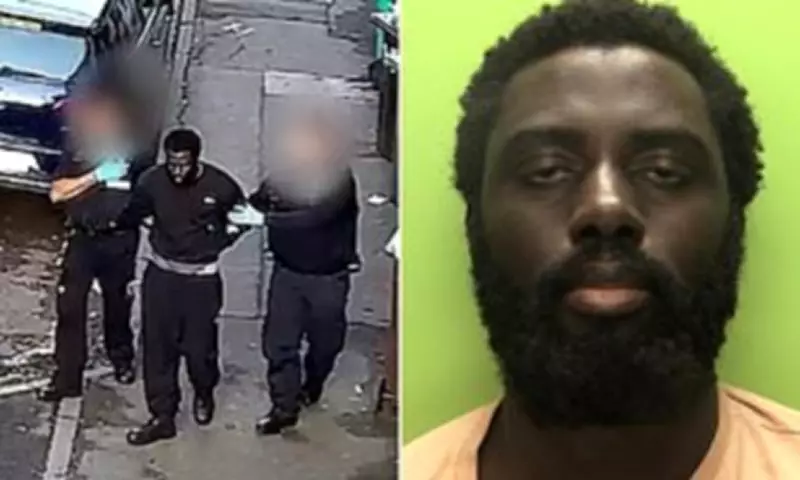
A former senior Metropolitan Police officer has identified what he calls the "golden thread" connecting years of failures that allowed Valdo Calocane to remain at large before he killed three people in Nottingham in 2023. David Gilbertson, who served with Scotland Yard for 35 years and rose to the rank of Deputy Assistant Commissioner before retiring in 2001, made the stark assessment during an exclusive interview for the Daily Mail's Trial podcast.
Systemic Leadership Failures Exposed
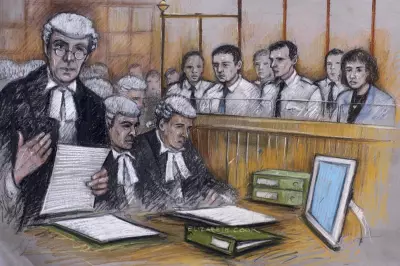
Speaking to award-winning court reporter Caroline Cheetham after the third week of the official inquiry into the Nottingham attacks, Gilbertson placed responsibility squarely on a profound lack of leadership and accountability among senior police officers. "What happened here is not a one off," Gilbertson stated emphatically. "There's a golden thread that runs through all of this and that's the decline of policing over the last 20 to 30 years. An absolutely appalling lack of leadership and supervision within the police service."
Gilbertson argued that while it might be tempting to blame junior officers responding to incidents, the true fault lies with those in command positions. "It's very easy to blame a 19, 20 year old officer on the scene at 2 o'clock in the morning… but the people to blame are those in command," he explained. The former senior officer called for a fundamental restructuring of how command ability and accountability are viewed within police services across Britain.
Missed Opportunities and Communication Breakdowns
Despite a series of disturbing incidents beginning as early as 2020 that clearly demonstrated Calocane's mental instability and violent tendencies, multiple police forces failed to recognize the threat he posed. Calocane, who had a documented history of paranoid schizophrenia, engaged in stalking behavior, attacked a police officer, and terrorized an Italian student so severely that she jumped from a window to escape him, suffering permanent spinal injuries.
One of the most shocking revelations from the inquiry involved that May 2020 incident where Calocane menaced the Italian student. The inquiry heard that the case was dropped by a sergeant based solely on an email from a psychiatrist stating Calocane had no recollection of the offence. "Why was a sergeant personally dealing with a case of that complexity and importance?" Gilbertson questioned. "Why were they not supervised by a more senior officer? This was serious, it was life or death for that woman."
Gilbertson contrasted current practices with historical approaches: "In the old days, you would have had a Superintendent signing off. That person takes authority, removing the responsibility and the liability from the junior officer who should not have it in the first place."
Outstanding Warrant Ignored for Months
Calocane already had an active warrant out for his arrest when he killed 19-year-old university students Barnaby Webber and Grace O'Malley-Kumar, along with 65-year-old school caretaker Ian Coates on June 13, 2023. The warrant had been issued in September 2022 after Calocane failed to appear at Nottingham Magistrates Court to face charges of assaulting an emergency worker. Remarkably, this warrant went unexecuted for ten full months.
During this critical period, Calocane assaulted two colleagues at a warehouse in Kegworth, Leicestershire, just weeks before committing the murders. Although Leicestershire Police responded to this incident, they failed to identify Calocane's outstanding warrant. Despite both Nottinghamshire and Leicestershire police forces knowing Calocane was somewhere in the Nottingham area, they failed to communicate effectively with one another, leaving him free to continue his violent behavior.
Cultural Shift in Policing Responsibility
Gilbertson expressed being "more than surprised" by this missed opportunity to apprehend Calocane before his deadly rampage. He reflected on how policing culture has changed over recent decades: "When I was a young investigator, I always felt I owned a case. I kept it with me. It was mine. If a character did not turn up at court or if the victim wanted to know what was going on, that was my responsibility."
The former senior officer emphasized the importance of professional pride and duty of care that he believes has diminished in modern policing. "I had a duty of care, professional pride. It is not just about case volume. I can remember carrying 20 or 30 cases at once. You cannot just say you have too much work on," Gilbertson stated. While acknowledging he didn't want to sound nostalgic, he maintained: "I do not want to sound like that person who says, it was better in my day. But, we genuinely did it better. We owned what we were doing, we felt responsible for it. We did not regard the public as our enemy."
Legal Controversy and Ongoing Family Campaign
Following the attacks, Calocane was controversially handed an indefinite hospital order rather than a prison sentence after prosecutors accepted his plea of manslaughter by diminished responsibility. This decision continues to be contested by the families of his victims, who argue that justice has not been fully served. The case has highlighted broader concerns about how the criminal justice system handles offenders with serious mental health conditions.
Gilbertson's comprehensive analysis of the Nottingham attacks inquiry raises fundamental questions about police leadership, inter-force communication, and accountability mechanisms that he believes require urgent addressing to prevent similar tragedies in the future.