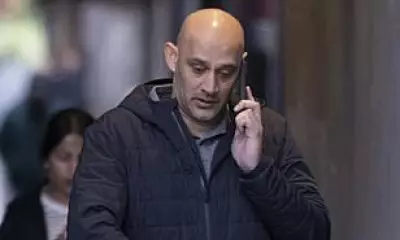
Soham Murderer Ian Huntley Dies Following Brutal Prison Assault
Ian Huntley, one of Britain's most reviled killers, has died after a vicious attack in prison. The former school caretaker was serving a life sentence with a minimum term of 40 years for the murder of 10-year-olds Holly Wells and Jessica Chapman in 2002, a crime that shocked the nation and raised serious questions about safeguarding failures.
The Crimes That Horrified a Nation
On August 4, 2002, Holly Wells and Jessica Chapman, dressed in Manchester United shirts, left a family barbecue in Soham, Cambridgeshire, to buy sweets. Their paths crossed with Huntley, who was living with teaching assistant Maxine Carr, a colleague at the girls' primary school. With Carr away for the weekend, Huntley lured the best friends into his home.
For reasons only he knew, Huntley murdered both girls and dumped their bodies in a ditch near RAF Lakenheath, approximately ten miles away. Their remains were not discovered for thirteen days, during which a massive police search involving hundreds of officers unfolded. The nation's media descended on Soham, and Huntley's agitated demeanour soon drew suspicion.

Investigation and Trial Revelations
Reporter Brian Farmer, then working for the Press Association in East Anglia, interviewed Huntley and became so concerned that he alerted police. Huntley had unexpectedly described how he imagined the girls would react to a stranger, despite not knowing them or working at their school. Farmer later recalled, "The main thing that struck me was, how can he possibly know how they would react?" Huntley's reluctance to be photographed also implied he did not want to be recognised.
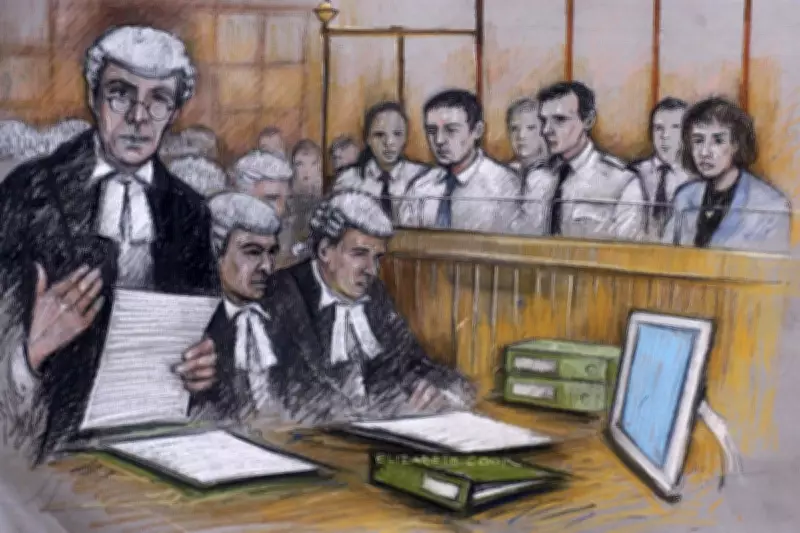
Subsequent TV interviews led to someone from Huntley's hometown of Grimsby recognising him and informing police about multiple rape accusations against him in the late 1990s. During his trial at the Old Bailey, Huntley claimed Holly had drowned in a bath after a nosebleed and that he killed Jessica while trying to silence her screams. The jury rejected his account, convicting him of two counts of murder.
Mr Justice Moses told Huntley, "You enticed two 10-year-old girls into your house. They were happy, intelligent, and loyal, much-loved by their families. You murdered them both. You are the one person who knows how and why. You destroyed the evidence, showing no mercy and no regret."
Aftermath and Systemic Failures
Maxine Carr, who provided Huntley with a false alibi, was jailed for 21 months for perverting the course of justice and now lives under a new identity. The case prompted a major inquiry into how Huntley had slipped through police vetting procedures to work in a school. The report revealed a "deeply shocking" catalogue of errors across all organisations that had contact with him before the murders.
Jessica's father, Leslie Chapman, said after the trial, "I think he was a time bomb waiting to go off, and both our girls were in the wrong place at the wrong time. I hope the next time I see him, it will be like we saw our daughters – in a coffin."
Life in Prison and Final Attack
Huntley was a marked man in prison, surviving repeated attempts on his life and kept under close protection alongside other notorious killers. In 2010, robber Damien Fowkes slashed him with a homemade weapon, causing a severe, gaping 7-inch wound to his neck that required 21 stitches. Fowkes asked a prison officer, "Is he dead? I hope so."
Media reports described Huntley as a loner, arrogant, and a moaner who tried to cultivate relationships with guards. In a leaked conversation, he reportedly said, "Every prison you go in is very, very dangerous; there's no safe place in prison." As he clung to life after the final attack, his only daughter, Samantha Bryan, told The Sun on Sunday, "There's a special place in hell waiting for him."
The death of Ian Huntley closes a chapter on one of Britain's most infamous criminal cases, but the legacy of the Soham murders continues to resonate, highlighting enduring issues in child protection and prison safety.