A woman sought by Colombian authorities over the alleged poisoning of two teenagers has been remanded in custody in the United Kingdom, following her first court appearance in London.
Court Appearance and Serious Allegations
Zulma Guzman Castro, aged 54, appeared at Westminster Magistrates’ Court on Tuesday afternoon, 6 January 2026. The court was informed she is wanted in connection with a double killing in Colombia. The charges relate to the alleged poisoning of two teenage girls, who are said to have died after eating raspberries containing a toxic substance.
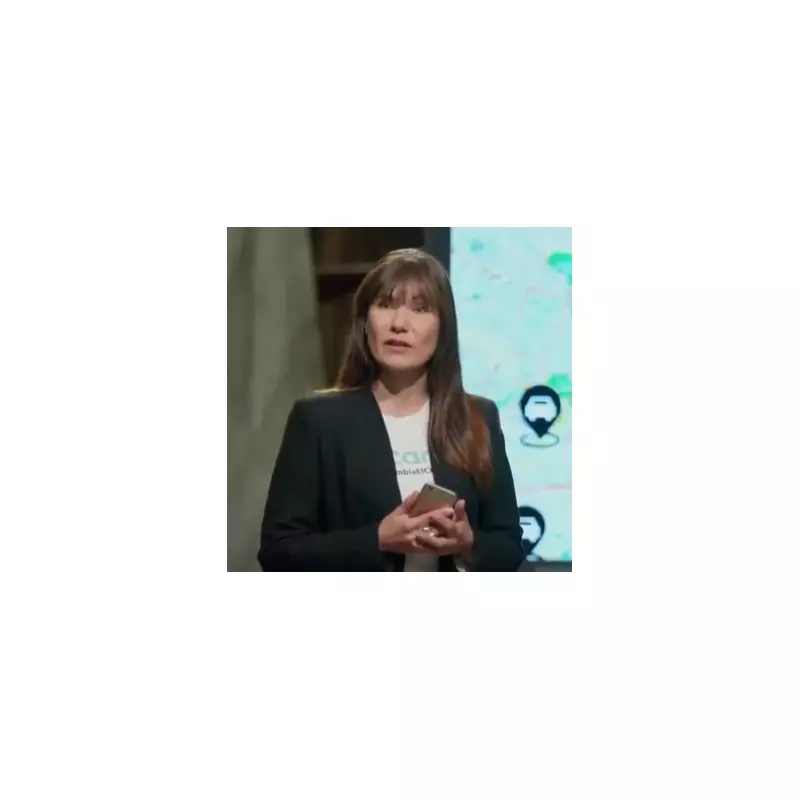
Guzman Castro, dressed in a black jacket and a white-and-black striped top, confirmed her identity before District Judge Sarah Turnock. She formally refused her consent to be extradited to Colombia, triggering a full legal process.

Arrest and Background of the Case
The suspect was arrested earlier on Tuesday by officers from the National Crime Agency's (NCA) National Extradition Unit in the W10 area of London. Prior to her arrest, she had been receiving medical care. Prosecutor Rosemary Davidson told the court Guzman Castro had previously been detained under the Mental Health Act and was arrested by police shortly after being discharged from hospital on Tuesday.
Her presence in the UK came to light last month. The Metropolitan Police's Marine Policing Unit recovered a woman in her 50s from the River Thames near Battersea Bridge at 7:14am on Tuesday, 16 December. Police had been called at 6:45am following reports of a woman in distress on the bridge. She was taken to hospital with injuries assessed as not life-threatening.
Legal Process and Next Steps
District Judge Turnock remanded Guzman Castro in custody. A case management hearing has been scheduled for Monday, 12 January 2026, where further details of the extradition proceedings will be outlined.
An NCA spokesperson confirmed the arrest, stating: “Zulma Guzman Castro has today been arrested by officers from the NCA’s National Extradition Unit. She is wanted by Colombian authorities in relation to murder and attempted murder.” The case highlights the international cooperation between UK agencies and foreign governments in pursuing serious crime suspects.