Weapons-Grade Chemical Carfentanil Surges as Dangerous Substitute for Fentanyl
Carfentanil, a weapons-grade chemical with extreme potency, has experienced a dramatic resurgence across the United States, emerging as a perilous substitute for fentanyl in illicit drug markets. This alarming trend has resulted in hundreds of unsuspecting drug users overdosing, with many fatalities occurring even when emergency interventions like Narcan are available.
A Lethal Mistake: Michael Nalewaja's Tragic Story
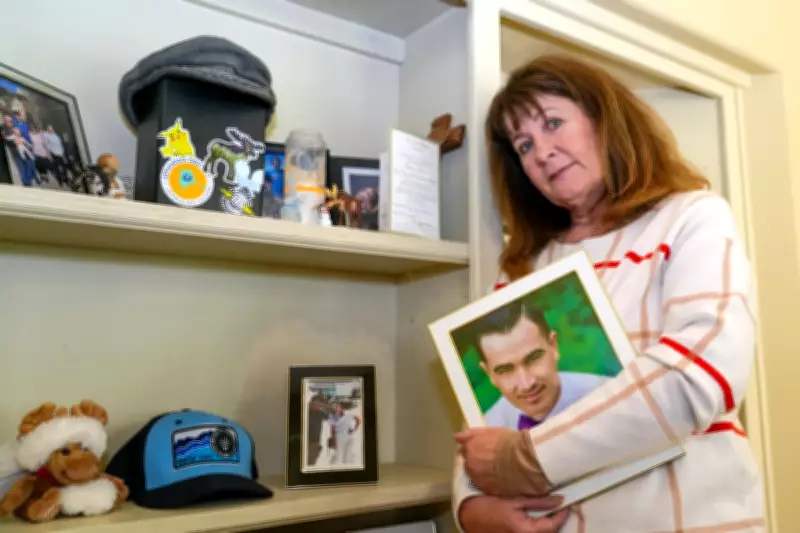
Michael Nalewaja, a 36-year-old electrician from Alaska, had overcome teenage drug addiction and built a stable life. However, days before Thanksgiving 2025, his world shattered when he and a friend unknowingly consumed a lethal cocktail of fentanyl and carfentanil, possibly mistaking it for cocaine. His mother, Kelley Nalewaja, recalled collapsing upon hearing the word "autopsy" during a call from his wife. She emphasized that even with immediate medical response, survival was impossible due to the drug's extreme toxicity.
Potency and Resurgence of Carfentanil
Authorities describe carfentanil as 10,000 times more potent than morphine and 100 times stronger than fentanyl. Less than a poppy seed-sized amount can be fatal, presenting what Frank Tarentino, DEA chief of operations for the northeast region, calls "an extremely frightening proposition" for opioid-dependent individuals. The resurgence coincides with Chinese government crackdowns on fentanyl precursors, likely prompting Mexican traffickers to use carfentanil to enhance weakened fentanyl supplies, according to DEA intelligence bulletins.

Statistical Surge and Trafficking Challenges
DEA records reveal a stark increase in carfentanil identifications: 1,400 instances in 2025, compared to 145 in 2023 and only 54 in 2022. Traffickers may be experimenting with production in Mexico or sourcing from Chinese vendors skirting regulations via online forums. However, manufacturing carfentanil involves extreme dangers, complicating cartel operations. Tarentino noted that this isn't a task for amateur "mad scientists" but requires sophisticated handling.
Contrast with Declining Overdose Deaths and Fentanyl Seizures
Despite the carfentanil surge, U.S. overdose deaths have fallen for over two years, attributed to wider naloxone availability, expanded addiction treatment, and regulatory changes in China. Fentanyl seizures have also dipped, with U.S. Customs and Border Protection reporting about 12,000 pounds in 2025, less than half of 2023's amount. Yet, fentanyl remains a DEA priority, with a proposed $362 million budget increase targeting cartel-driven trafficking. Sara Carter, former drug czar, warned that taking unprescribed pills is like "playing a game of Russian roulette."
Chemical Weapon Origins and Public Health Impact
Carfentanil, researched as a chemical weapon and used by Russian forces in 2002, is legally manufactured in tiny quantities—just 20 grams annually for veterinary use on large animals. Michael King Jr., founder of the Opioid Awareness Foundation, likened it to a "biological weapon," suggesting fentanyl problems are "minute" compared to potential carfentanil threats. CDC data shows carfentanil-involved overdose deaths nearly tripled in 2024, with 413 deaths across 42 states and Washington, D.C.
Market Dynamics and Law Enforcement Response
Rob Tanguay of Recovery Alberta explained that some users seek carfentanil for its intense euphoria, driven by tolerance to fentanyl, while traffickers value its efficiency. He emphasized, "this is all about money." Recent DEA seizures include 628,000 carfentanil-containing pills in Los Angeles and over 50,000 counterfeit pills in Washington state. Former DEA official Mike Vigil stressed the need for focused law enforcement intelligence to prevent nationwide spread.
Advocacy and Legislative Calls
Following her son's death, Kelley Nalewaja organized a town hall in El Dorado Hills, California, advocating for legislative and judicial changes. She reframes carfentanil overdoses not as accidents but as uses of a "murder weapon" never intended for humans, pushing for action to spare others similar grief.