University Cadets Disarm and Stab Gunman After Fatal ROTC Classroom Attack
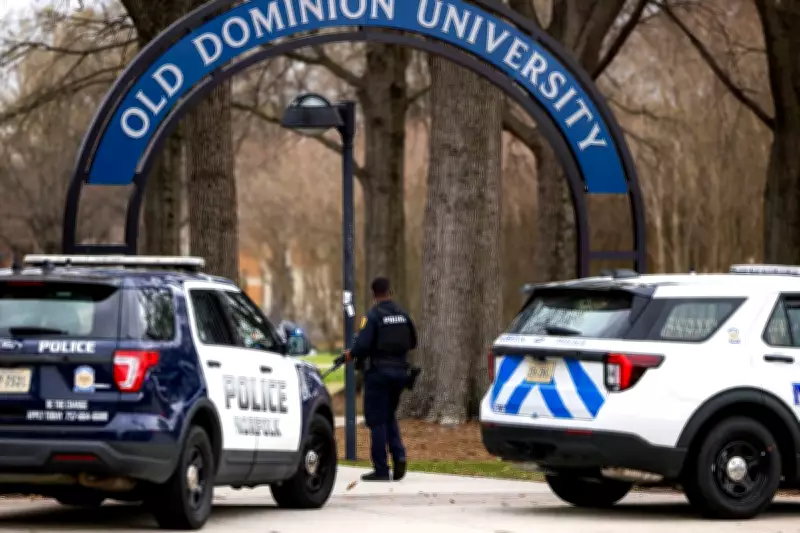
Cadets at Old Dominion University in Virginia have provided a detailed account of how they disarmed and stabbed a gunman who attacked their ROTC classroom, resulting in the tragic death of their instructor, Lieutenant Colonel Brandon Shah. The incident, which occurred on March 12, involved shooter Mohamed Bailor Jalloh, an Army National Guard veteran with a prior conviction for attempting to aid Islamic State.
Heroic Actions in the Face of Danger
The students describe how the shooter entered their classroom and nervously inquired if it was an ROTC class before pulling a pistol and firing at Lieutenant Colonel Shah. Shah, who was fatally wounded, immediately lunged at Jalloh, positioning himself between the gunman and the students. This selfless act is widely credited with saving numerous lives by creating a critical distraction.
In the chaotic moments that followed, Cadet Louis Ancheta, who had been wounded by a bullet, utilized his tactical knife to stab Jalloh. Other cadets quickly joined the effort, while Cadet Wesley Myers successfully disarmed the shooter. The coordinated response demonstrated remarkable bravery and composure under extreme pressure.

Immediate Medical Response and Recognition
Following the disarming of the gunman, the cadets immediately administered combat first aid to the wounded Lieutenant Colonel Shah and Cadet Ancheta. Despite their efforts, Shah succumbed to his injuries. In recognition of their heroic actions, Ancheta later received a Purple Heart, and other cadets were awarded various medals for their swift and courageous response to the attack.
Heightened Security Concerns Before the Incident
Remarkably, just two days before the shooting, Lieutenant Colonel Shah had advised cadets not to wear their uniforms around campus as a precautionary measure. Cadet Brandon Rebolledo, who was in the nearby ROTC building during the attack, explained the reasoning behind this directive.
"Because of all the situation that's happening with Iran and all of that stuff in the Middle East," Rebolledo stated. "To make sure that we did not become a target and to make sure that we were keeping a low profile."
This warning underscores the heightened security concerns that military personnel and ROTC programs face in contemporary geopolitical climates, particularly regarding potential targeting due to international tensions.
The incident has sparked broader conversations about campus safety, the preparedness of ROTC programs for such emergencies, and the extraordinary courage displayed by these cadets in protecting their fellow students. Their actions serve as a powerful testament to the training and character instilled in military cadets, even in the most unexpected and dangerous circumstances.