Australian ISIS Brides Thwarted in Attempt to Return from Syrian Camp
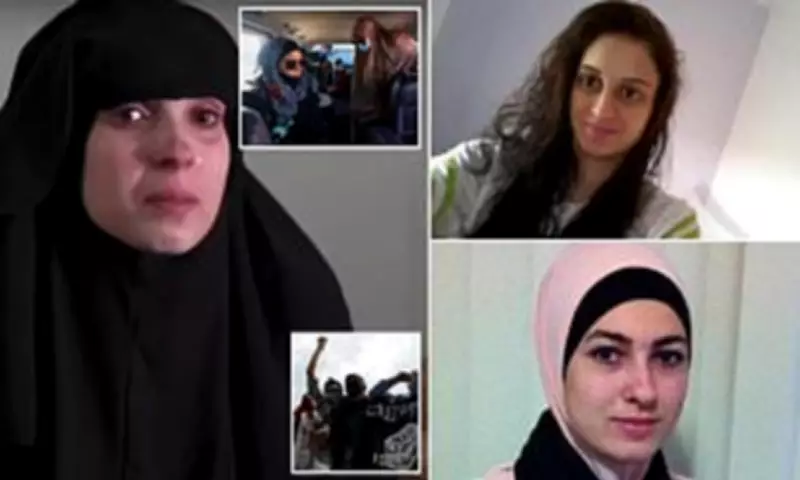
A group of eleven Australian women, widely referred to as ISIS brides, along with their twenty-three children, faced a dramatic setback this week when their attempt to flee a Syrian refugee camp and return to Australia was abruptly halted by local authorities. The women, who hold Australian passports, were escorted from the al-Roj camp near the borders of Iraq and Turkey on Monday morning by Kurdish security forces, with hopes of boarding a flight to Australia. However, Syrian officials intervened, ordering them back to their tents, some of which had already been dismantled or demolished shortly after their departure.
Government Stance and Identities Revealed
The Albanese government confirmed last week that it would permit the families to return to Australia through their own means but emphasized it was not providing any assistance for their repatriation. All eleven women have now been publicly identified by the ABC, including Nesrine Zahab, the wife of Ahmed Merhi, a Sydney-born Islamic State terrorist sentenced to death. Other women named are Aminah Zahab, Sumaya Zahab, Kawsar Abbas, Kirsty Rosse-Emile, Janai Safar, Hodan Abby, Kawsar Kanj, and Hyam Raad.
Home Affairs Minister Tony Burke disclosed on Wednesday that one of the women is subject to a temporary exclusion order on national security grounds, which could bar her from entering Australia for up to two years, though her identity remains unclear.

Personal Stories and Hardships
Nesrine Zahab recounted entering Syria in her early twenties, claiming she was on a family holiday in Lebanon when she unwittingly crossed into the war zone. She married Merhi, believing it offered her the best chance of survival. In a 2019 interview, she described realizing she was in Syria upon seeing the Islamic State flag, leading to a panicked reaction. Sumaya Zahab is the sister of Muhammad Zahab, a former Sydney maths teacher and IS fighter who died in 2018 and reportedly convinced family members, including his mother Aminah, to travel to Syria.
Aminah expressed anger and devastation over letting her son dictate her life, highlighting the dire conditions in the camps, where tents sometimes burned down, leaving behind charred remains. Kawsar Abbas, wife of Mohammed Ahmad and mother to daughters Zeinab and Zahra Ahmed, is trapped with her family after attending a wedding in Syria, unaware her son had pledged allegiance to IS.
Pleas for Repatriation and Government Response
Zeinab Ahmed pleaded with the Australian government in 2025 to help repatriate women and children, noting that officials had visited the camp in 2022 for health and DNA checks but only allowed four families to return before halting further efforts due to public backlash. Zahra Ahmed told SBS that as a woman, she felt compelled to follow male relatives into IS and is now suffering for decisions made by others.
Kirsty Rosse-Emile, who traveled to Syria at age 19 with her husband, an IS fighter, begged the government to rescue her and her children, though she avoided explaining her journey to avoid complications. Her daughter faced severe frostbite risks in 2020. Janai Safar's grandfather argued it was better for ISIS brides to serve prison sentences in Australia than remain in Syria.
Hodan Abby left Sydney for Syria at 18 to become a jihadi bride and now has a daughter with shrapnel injuries affecting her development. Her father warned that children in the camps are exposed to radicalization and urged help. Little is known publicly about Kawsar Kanj and Hyam Raad.
Security Measures and Legal Implications
The Australian Federal Police stated it is prepared to manage security risks if the women return, emphasizing that anyone suspected of offences will face law enforcement action on a case-by-case basis. The government continues to deny offering support beyond legal obligations, maintaining a firm stance on national security while the women remain stranded in squalid camp conditions.