Ashton-in-Makerfield Descends into Chaos Amid Youth Gang Violence
Ashton-in-Makerfield, a historic market town on the fringes of Greater Manchester with a population of approximately 26,000, is grappling with a severe outbreak of anti-social behaviour and criminality perpetrated by large groups of young people. The community, once known for its schools, football clubs, and thriving local businesses, has been transformed into a scene of frequent disturbances, with residents reporting intimidation, theft, and vandalism.
A Town Under Siege
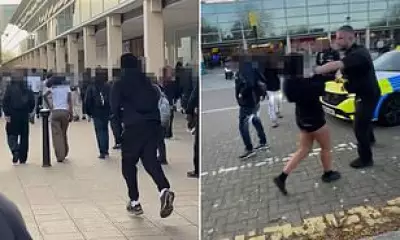
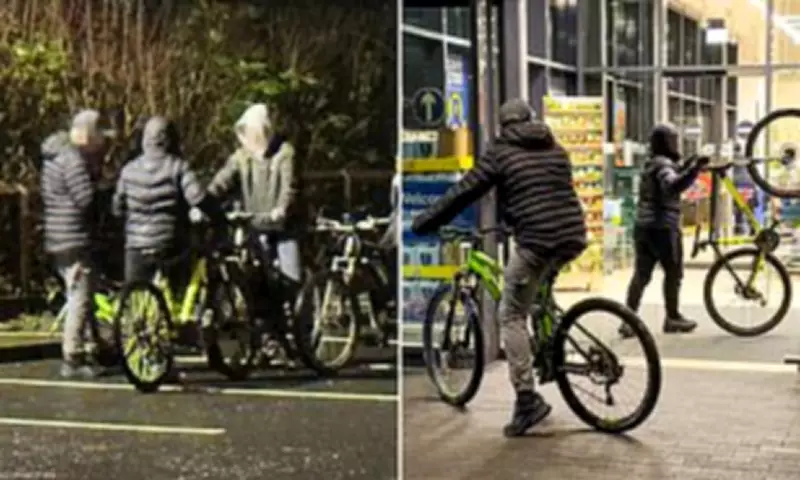
In recent months, organised gangs of up to 30 youths have been accused of turning the high street into a perceived 'no-go zone'. Incidents include throwing rocks at passers-by, attempting to steal mobile phones, setting fires, and physically assaulting other young people at all hours. Shopkeepers have been forced to close early following raids, with staff threatened and stink bombs deployed inside premises.
Footage has emerged showing one individual dangerously driving a dirtbike through busy traffic on a main road. In a separate act of vandalism, CCTV captured a group recklessly driving a car across a local football pitch overnight, leaving deep tyre marks and rendering the ground unusable. Ashton Park Football Club expressed devastation, stating the damage deprived teams of their first game this year, impacting players' mental wellbeing.

Escalating Threats and Police Response
The situation escalated last Tuesday when contractors for United Utilities, conducting works around Ashton Heath, were confronted by balaclava-clad individuals brandishing knives. The workers, feeling unsafe, abandoned the site, which remains shut pending resolution. Local councillor Danny Fletcher confirmed the incident on social media, urging action.
Greater Manchester Police investigated the knife threat but closed the case due to insufficient evidence. The force acknowledged ongoing anti-social behaviour issues, implementing a dispersal order and increasing high-visibility patrols in Ashton. Chief Inspector Adam Wignall emphasised collaboration with councils, schools, and youth services to divert young people from offending, though residents criticise the response as inadequate.
Community Outcry and Broader Incidents
Frustrated locals have voiced anger on social media, describing a 'violence epidemic' and demanding immediate police presence. Reports include sightings of individuals wearing balaclavas riding motorbikes without licence plates through residential streets, sometimes running red lights and performing wheelies near pedestrians.
Additional incidents over recent weeks involve harassment of a café owner, an attack on a young girl outside a B&M store, vandalism of a glass bus stop, and a fight on a double-decker bus where three boys fell from a window. Shopkeepers like sweet shop owner Akash Kumar and vape shop proprietor Rava Salah describe running battles with youths, including thefts, threats, and stink bomb attacks.
Root Causes and Local Perspectives
Residents debate underlying causes, with some attributing the behaviour to a lack of affordable social activities for teenagers, while others condemn it as inexcusable. Suggestions from the community range from imposing national service to holding parents accountable. A lifelong resident noted that while youth facilities were scarce in the past, it did not justify current 'disgusting' conduct.
Sian Jones, who runs a local dance school, recounted a harrowing incident last year where teenagers set fire to cardboard outside her venue and threw glass bottles at evacuating children. She highlighted that such issues have persisted for years, underscoring the chronic nature of the problem.
Despite police assurances of robust action, Ashton-in-Makerfield remains in turmoil, with its peaceful reputation shattered and residents calling for sustained solutions to restore safety and order to their community.