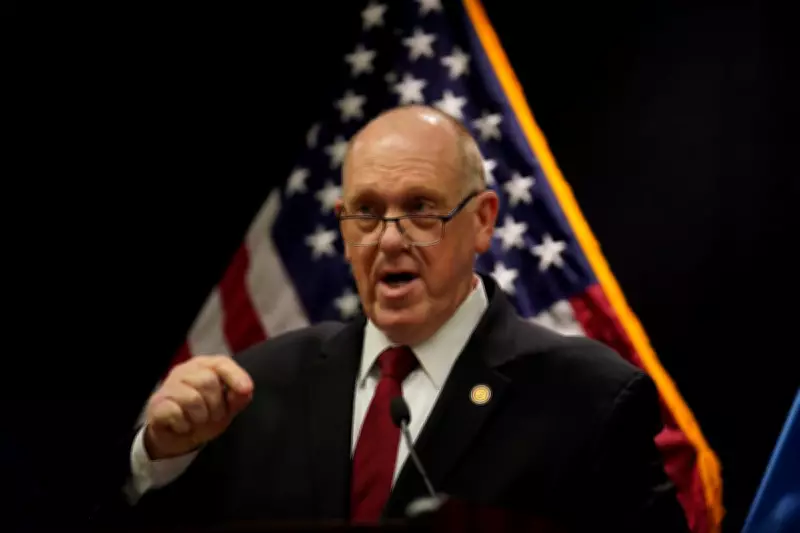
In a notable development impacting national security operations, approximately 700 federal agents have been withdrawn from Minnesota. This move represents a significant shift in federal law enforcement presence within the state, raising discussions about resource allocation and strategic priorities.
Scope and Implications of the Withdrawal
The departure of such a substantial number of agents, which includes personnel from various federal agencies, marks a pivotal moment in Minnesota's security landscape. Officials have indicated that this action is part of a broader reassessment of federal deployment strategies across the United States, aimed at optimising responses to evolving threats and operational demands.
Impact on Local Law Enforcement
Local authorities in Minnesota are now evaluating how this reduction in federal support might affect ongoing investigations and public safety initiatives. The withdrawal could necessitate increased reliance on state and municipal police forces, potentially straining resources and requiring adjustments in collaborative efforts.

Community leaders have expressed mixed reactions, with some voicing concerns about potential gaps in security, while others see it as an opportunity for enhanced local autonomy. The situation underscores the delicate balance between federal oversight and regional law enforcement needs.
National Security Context
This redeployment of agents is understood to be aligned with a nationwide review of federal law enforcement priorities. Factors such as crime trends, intelligence assessments, and budgetary considerations are believed to have influenced the decision, reflecting a dynamic approach to safeguarding national interests.
Analysts suggest that such movements are not uncommon in federal operations, as agencies continuously adapt to changing circumstances. However, the scale of this withdrawal in Minnesota has drawn particular attention, highlighting its significance within broader security frameworks.
Future Outlook and Responses
As Minnesota adjusts to this new reality, stakeholders are calling for transparent communication from federal officials regarding the rationale behind the move and any planned replacements or support measures. The episode serves as a reminder of the interconnected nature of security efforts at different governmental levels.
In summary, the exit of 700 federal agents from Minnesota signals a recalibration of law enforcement strategies, with implications for both local safety and national security protocols. Ongoing monitoring will be essential to assess the long-term effects of this development.