French police have made eleven arrests in connection with the fatal beating of a far-right student in Lyon, prosecutors confirmed on Wednesday. The incident has ignited significant political divisions in France, occurring just ahead of crucial municipal elections and with the 2027 presidential race on the horizon.
Details of the Tragic Incident
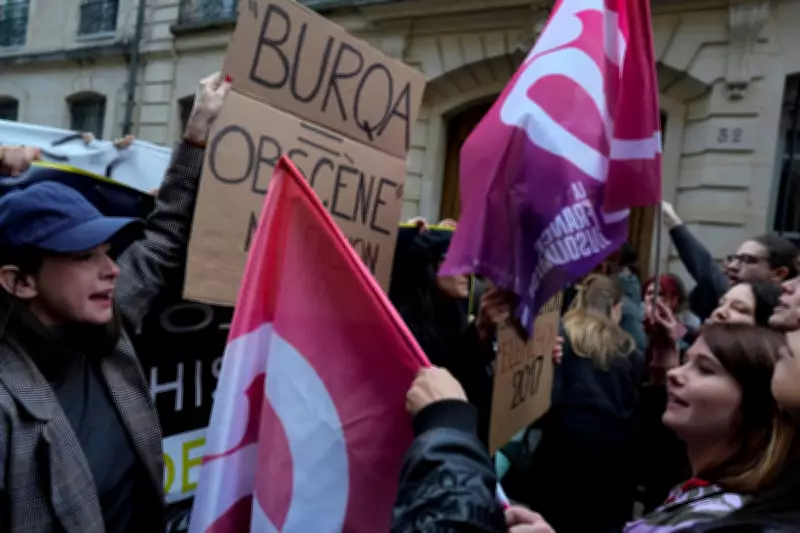
Quentin Deranque, a 23-year-old student described as a fervent nationalist, succumbed to his injuries in hospital on Saturday. He had been brutally assaulted two days earlier in Lyon during clashes that erupted between far-left and far-right supporters. The violence occurred on the fringes of a student meeting where Rima Hassan, a far-left European Parliament lawmaker from the France Unbowed party, was delivering a keynote address.
An autopsy conducted by Lyon's prosecutor, Thierry Dran, revealed that Deranque suffered a fractured skull and fatal brain injuries. Prosecutor Dran has initiated a homicide investigation, exploring additional potential criminal charges. Police operations led to the detention of a man and a woman on Wednesday morning, following the earlier custody of nine other individuals on Tuesday night.

Political Fallout and Accusations
The death of Deranque has triggered a storm of recriminations across the French political spectrum. Opponents of the far-left France Unbowed party have primarily placed blame on the group, accusing it of fomenting violence through its combative politics, which include sharp criticism of Israel. The party is led by veteran hard-left figure Jean-Luc Mélenchon, a former Trotskyist and three-time presidential candidate who is anticipated to run again in 2027.
Mélenchon vehemently denied any responsibility for the tragedy, stating on Tuesday, "We have absolutely nothing to do, either directly or indirectly, with the death of this young Deranque." However, French media reports indicate that among those in police custody is the parliamentary aide of a France Unbowed lawmaker, Raphaël Arnault. Arnault confirmed the aide's arrest in a social media post, announcing the termination of the aide's contract without specifying the cause.
Broader Context of Political Violence
Violence has long been a persistent feature of French political life, with far-left and far-right factions maintaining intense, often hostile relations. While clashes between these groups are not uncommon, fatalities have been rare in recent decades, making this incident particularly shocking. The timing is especially sensitive as France prepares for municipal elections next month, with campaigning already in full swing.
Opponents from the right and far-right have seized upon the tragedy to criticise France Unbowed, urging voters to reject the party at the polls. Criticism has also emerged from prominent figures on the left, including former President François Hollande. He declared that the mainstream left, including his Socialist Party, should not form alliances with Mélenchon's party in future elections, as has occurred in the past. "The relationship with France Unbowed is over," Hollande asserted.
Reactions and Condemnations
Rima Hassan, a French-Palestinian lawmaker born in a Syrian refugee camp, expressed "horror" over the violence in a social media post made after the attack on Deranque but before his death. She condemned the incident, though her presence at the event has linked her party to the ensuing controversy. The case continues to develop as police investigations proceed, with the eleven detainees facing questioning over their alleged roles in the fatal beating.
This tragic event underscores the deep-seated tensions within French politics, highlighting the volatile intersection of ideological conflict and physical violence. As the nation approaches electoral milestones, the fallout from Deranque's death is likely to influence political discourse and voter sentiment significantly.