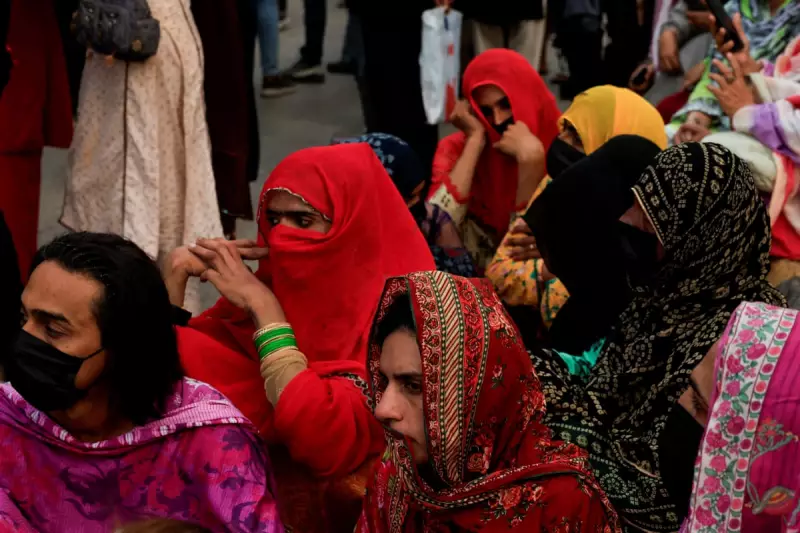
Transgender Community in Pakistan Stages Peaceful Protest After Murders
Members of Pakistan's transgender community organised a peaceful demonstration to condemn the murder of three trans women on the outskirts of Karachi on 24 September 2025. The protest highlighted a disturbing surge in violence targeting transgender individuals across the country, leaving many afraid to leave their homes.
Midnight Attack Shakes Activists
In a chilling incident during the early hours of 19 January, trans activists Zehrish Khanzadi and Bindiya Rana faced a terrifying attack at their Karachi residence. While drinking tea past midnight, the doorbell rang. Moments after Rana unlocked the door remotely from the kitchen, three gunshots echoed through their home.
"She narrowly escaped all three bullets," Khanzadi recounted of her colleague and housemate. Both women work for Gender Alliance Interactive, an organisation advocating for transgender rights, with Rana serving as its head and Khanzadi as a rights activist. Despite filing a formal police complaint, the assailants remain unidentified.

"Those who protect others are now under attack," Khanzadi stated, expressing shock at becoming a victim in what she considered the safety of her own home.
Escalating Violence Across Provinces
The shooting represents just one episode in a series of brutal assaults. In September, trans woman Nadira was stabbed in the abdomen at Karachi's Sea View beach after rejecting a man's advances. "I told him I'm a beggar, not a sex worker, but he wouldn't listen," said Nadira, who is HIV-positive. Her injury required 35 stitches and multiple blood transfusions.
Two days later, three trans women were shot at close range on Karachi's outskirts near popular restaurants. The alleged killers have been arrested and admitted to shooting the women after they resisted handing over money, though investigations continue.
Gender Alliance Interactive has documented 55 killings in Sindh province between 2022 and September 2025, including 17 in Karachi alone. In Khyber Pakhtunkhwa province, community elders in several districts have ordered trans women to leave, accusing them of corrupting youth. Approximately 200 people, including four transgender individuals, were arrested at a dance event in Swabi in September.
Community Resistance and Legal Challenges
Despite growing fear that prevents many trans women from venturing beyond their doorsteps, the community is mounting resistance. Twenty-six petitioners have filed a case in Peshawar High Court against the provincial police chief for harassment and humiliation. "No one can expel us from our homes or country," declared Farzana Riaz of the Transgender Community Alliance in Peshawar.
The court has issued restraining orders preventing local authorities from expelling transgender individuals. However, Dr Mehrub Awan, a trans woman and central secretary for transgender affairs at the Awami National Party in Khyber Pakhtunkhwa, suggests that community reactions stem partly from tensions with seasonal trans individuals who visit for dances and sex work.
"In all frankness, this is a social reaction to sexualisation and vulgarity; there is a natural limit to how much any given society can take," Awan explained, while also warning that local crackdowns reflect broader global trends.
Global Influences on Local Transphobia
Experts point to the worldwide rise of far-right ideology as fuelling transphobia in Pakistan. Shahzadi Rai, a Karachi city councillor from the ruling Pakistan People's Party, faces constant threats and blames former US President Donald Trump's policies for emboldening right-wing ideologies globally.
"Pakistani society often mirrors the American discourse," Rai asserted. "It's not that we weren't hated before, but ever since Trump came to power, these elements have found validation."

Muneeb Qadir, a law lecturer at Lahore's Millennium Universal College, identifies prominent figures who have adopted western right-wing rhetoric with an Islamic twist, spreading anti-trans, anti-liberal agendas. This discourse has reignited debates in Khyber Pakhtunkhwa's law department over the definition of "transgender person," despite the 2018 Transgender Persons Act guaranteeing self-identity and protection from discrimination.
Legal Uncertainties and Future Prospects
The 2018 legislation, initially celebrated as a victory for Pakistan's estimated 50,000 transgender citizens, faced a setback in 2023 when the federal shariat court ruled some sections incompatible with Islam, particularly regarding gender identity definitions and inheritance rights.
A proposed new bill, the Intersex or Khunsa Act, suggests eliminating self-identified gender in favour of medical board registration as male or female. However, this legislation lacks broad political support and its future remains uncertain, leaving Pakistan's transgender community navigating both physical danger and legal ambiguity as they fight for their rights and safety.