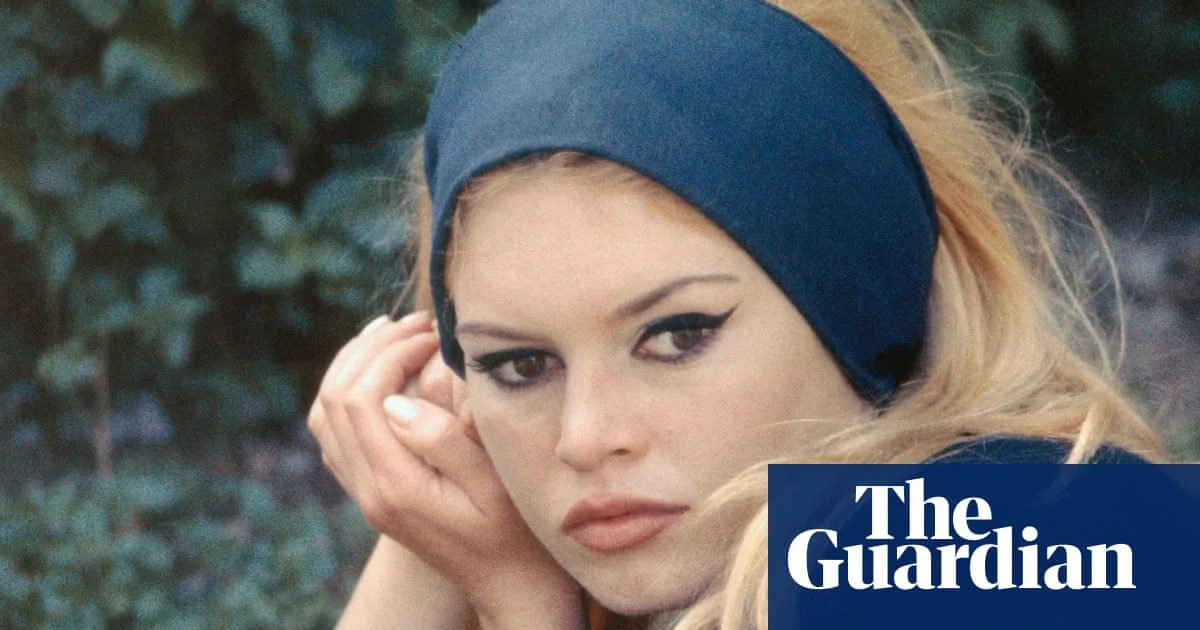
Brigitte Bardot: The Paradox of a French Icon – Sex Symbol to Convicted Racist
Brigitte Bardot: The Paradox of a French Icon

The death of French screen legend Brigitte Bardot on 28 December, aged 91, has sparked a complex and urgent reassessment of her legacy. For many, she remains frozen in time as the pouting, liberated star of 1950s and 60s cinema. For others, her later life was defined by a series of deeply offensive and racist public statements that saw her convicted in French courts.

From Global Sex Symbol to 'Cancelled' Recluse

Bardot's initial impact was seismic. Her role in the 1956 film And God Created Woman, directed by her then-husband Roger Vadim, shattered conservative norms. Playing a sexually adventurous 22-year-old orphan, Bardot became an instant global icon of female desire at a time when France was still deeply traditional and women had only recently gained the vote.

Professor Ginette Vincendeau, an expert on French cinema at King's College London, argues Bardot was a pioneer. "The unique aspect of Bardot is that she was also a woman who expressed her own desire. She was not just reacting," she said. Bardot represented a potent fantasy of emancipation for women in an era before legal contraception or abortion.

However, the fame came at a high cost. She was hounded by the emerging paparazzi, a experience so traumatic it contributed to France's strict privacy laws. After retiring from acting in 1973, she retreated to her Saint-Tropez estate, dedicating herself to animal rights activism but also cultivating a reclusive and increasingly bitter public persona.

A Legacy Marred by Hate Speech and Convictions

It was in this later period that Bardot's publicly expressed views grew toxic. She was not merely 'cancelled' by modern standards; she faced legal consequences. Bardot was convicted five times by French courts for incitement to racial hatred.

Her targets were numerous and her language vile. She described Muslims in inflammatory terms, wrote of immigrants defiling churches, referred to gay people as "fairground freaks," and denounced the Tamil community on Réunion as "natives" with "savage genes." She also dismissed the #MeToo movement as "hypocritical and ridiculous."

For over three decades until her death, she was married to Bernard d'Ormale, a senior adviser to Jean-Marie Le Pen's far-right National Front party. French newspaper Le Monde stated she "embodied racial hatred" and was the only major celebrity to openly defend the French far right.

Reconciling the Irreconcilable in the Modern Age

The tension between her two legacies erupted immediately after her death. American singer Chappell Roan initially posted a tribute on Instagram, citing Bardot as an inspiration, only to delete it a day later upon learning of her views, writing: "Holy shit... I did not know all that insane shit."

In France, President Emmanuel Macron called her a "legend of the century" who "embodied freedom," a description that sparked debate given her documented bigotry. Meanwhile, academics note a shift in how new generations perceive her. Dr Sarah Leahy of Newcastle University observes that students now find it harder to separate her cinematic image from her racist politics.

Professor Vincendeau insists the cultural contribution must still be acknowledged, even as the politics are condemned. "We would not be talking about Brigitte Bardot's [politics] if she hadn't been the film star... a very interesting pioneer figure," she said.

Bardot's life presents an almost impossible contradiction: the sex object who became a hate-speech convict; the animal rights campaigner who dehumanised people; the symbol of liberation who espoused deeply illiberal views. Her long life ensured she was not preserved in amber like contemporaries Marilyn Monroe or Jayne Mansfield. Instead, she lived long enough to shatter her own myth, forcing history to grapple with the full, flawed, and troubling complexity of her 91 years.




