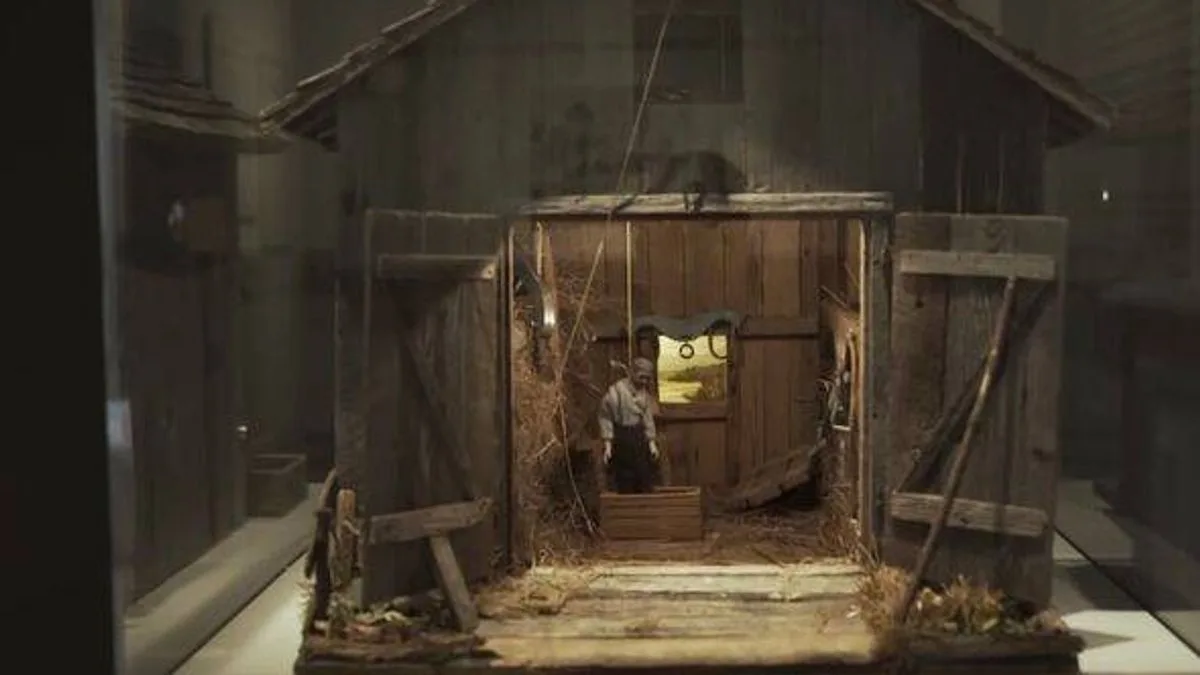
Chilling miniature dollhouses, complete with 18 tiny death scenes, were meticulously crafted to train America's emerging detectives. These unique 'dollhouses of death' were the brainchild of Frances Glessner Lee, hailed as 'the mother of forensic science', reports Messy Nessy Chic.
Lee transformed children's toys into accurately scaled-down murder scenes, featuring blood spatters on tiled floors and lifeless elderly women at the foot of stairs. Experts from around the globe flocked to view the 20 dollhouse dioramas, each based on real crime scenes and autopsies that Lee had personally attended.
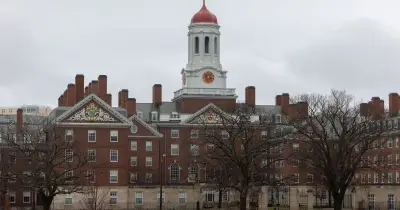
Lee's miniature crime scenes formed part of a department of legal medicine she established at Harvard University in 1945, when forensic science was still in its infancy. The doll-victims were incredibly detailed, sometimes painted to simulate bruising or inflated to indicate post-mortem bloating. Each doll replicated a victim Lee had observed during autopsies.
Despite being the daughter of a wealthy Chicago industrialist, Lee was home-schooled and not permitted to attend university. Her interest in forensic pathology was sparked when her brother, a Harvard student, brought home a friend who specialised in death investigation. After marrying and divorcing a wealthy lawyer, she used a substantial family inheritance to chase her lifelong dream of forensic science at age 52.
Lee established the Harvard Department of Legal Medicine and the Harvard Associates in Police Science. She named her department the Nutshell Studies of Unexplained Death, reflecting the principles of forensic investigation: to convict the guilty, clear the innocent, and find the truth in a nutshell. Students were given a torch and 90 minutes to gather evidence and solve the crime. Lee spent $4,500 on each dollhouse and hosted lavish banquets at the Ritz Carlton after seminars.
When Lee died in 1966 aged 83, the Nutshell department was shut down and permanently loaned to the Maryland Medical Examiner's Office in Baltimore. To this day, the dollhouses remain untouched and are still used in training America's law enforcement officers.