A 74-year-old woman from Texas has been sentenced for operating a drug trafficking 'side hustle' through the postal service, distributing the equivalent of 150,000 lethal doses of the synthetic opioid fentanyl.
The 'Remailer' Operation Uncovered
Patricia Parker, from Austin, became a 'remailer' – someone who breaks down large drug shipments into smaller parcels for distribution. Authorities state she sent more than 1,000 parcels suspected of containing illegal substances. The scheme began to unravel in May 2022 when she sold counterfeit amphetamine pills, which were later found to contain fentanyl, to an undercover agent from the US Food and Drug Administration (FDA).
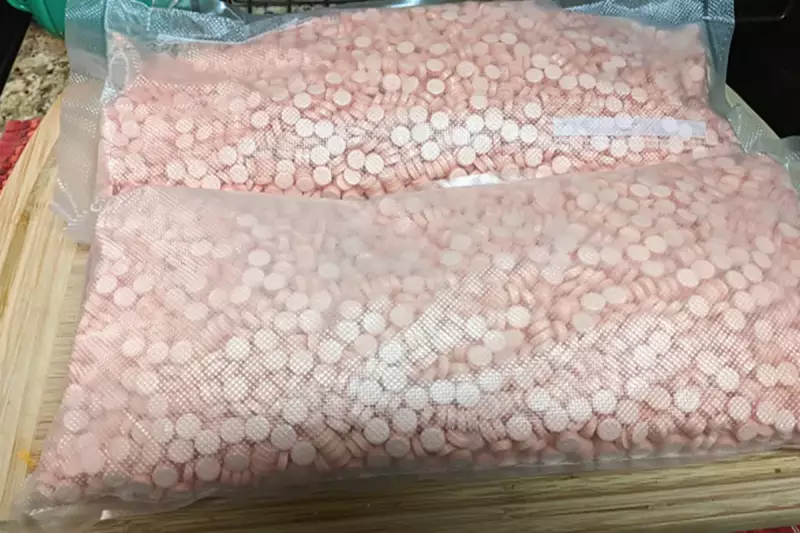
Approximately ten months later, in a coordinated raid on her home, investigators made a staggering discovery. They found 18,000 pills in her possession. The illicit haul, stored in items like an ornamental tin, included counterfeit versions of prescription drugs such as Adderall, oxycodone, and diazepam, all unapproved by the FDA.

A 'Side Hustle' Born from Necessity
In a sentencing memorandum, Parker's lawyer explained her motivation. Her income from a real estate job was severely impacted by the Covid-19 pandemic, leaving her unable to pay for her own necessary medications. For years, she had been purchasing her medicine from a man known only as 'John'.
Facing this financial crisis, she allegedly agreed to distribute John's drugs in exchange for her own prescriptions, a arrangement her attorney described as a desperate 'side hustle'. Parker has since claimed she was unaware the counterfeit pills contained fentanyl. "I would NEVER have knowingly taken part in anything related to such a dangerous drug," she wrote in a letter to the judge.
Legal Reckoning and Sentencing
Patricia Parker pleaded guilty in May 2025 to conspiracy to distribute fentanyl and distribution of over 310 grams of the drug. On 25 November 2025, she was sentenced to two years of probation, with a special condition of nine months of home confinement.
However, prosecutors pushed for a stronger stance. In their own memorandum, they argued that an 'educated, adult woman' must have understood the risks involved in dealing counterfeit pharmaceuticals. The case was a joint investigation by the FDA's Office of Criminal Investigations, the US Postal Inspection Service, and the US Attorney's Office for Rhode Island, highlighting the cross-state nature of the drug trafficking operation conducted via mail.
This case starkly illustrates how the ongoing opioid crisis and personal desperation can intersect, with deadly substances like fentanyl being disseminated through seemingly ordinary channels like the postal service.