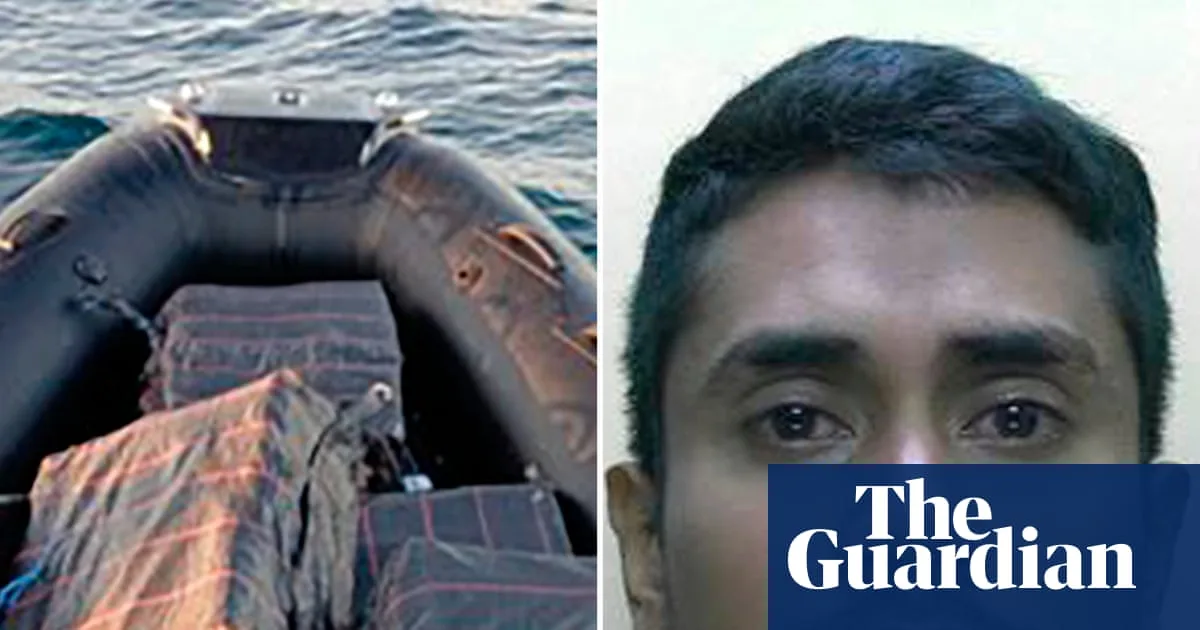
Law enforcement agencies have called on coastal communities to assist in tackling drug gangs that are increasingly using 'at-sea drop-offs' (Asdos) to smuggle large quantities of cocaine into the UK. The National Crime Agency (NCA) and Border Force warn that criminal networks are employing 'mother ships' to release drug packages into the ocean, which are then collected by smaller vessels and brought ashore via secluded coves and harbours.
Last year, UK authorities prevented nearly 6.5 tonnes of cocaine, worth £520 million, from reaching the streets through Asdos. However, an estimated 117 tonnes of cocaine are consumed annually across England, Wales, and Scotland. The NCA reported over 60 investigations into Asdos in the past year, leading to 34 arrests.
Charlie Eastaugh, director of Border Force maritime command, described Asdos as a 'persistent and continuing threat'. He highlighted the importance of Project Kraken, an initiative fostering cooperation between agencies and coastal residents, urging them to act as 'eyes and ears' along the coastline. Eastaugh also noted the potential for smugglers to adopt more sophisticated methods, such as underwater drones or 'narco submarines', to evade detection.

The appeal follows the sentencing of seven men involved in an £18 million cocaine smuggling attempt using the Asdo method. The gang included a Hampshire fisherman, three Essex men, and a Colombian national, caught after a high-speed chase and subsequent NCA investigation. Adam Thompson, NCA head of drugs threat, attributed the rise in Asdos to changes in border management post-Covid and Brexit, allowing larger loads to be offloaded directly onto beaches.