The Haunting Legacy of a Childhood Shattered by Domestic Homicide
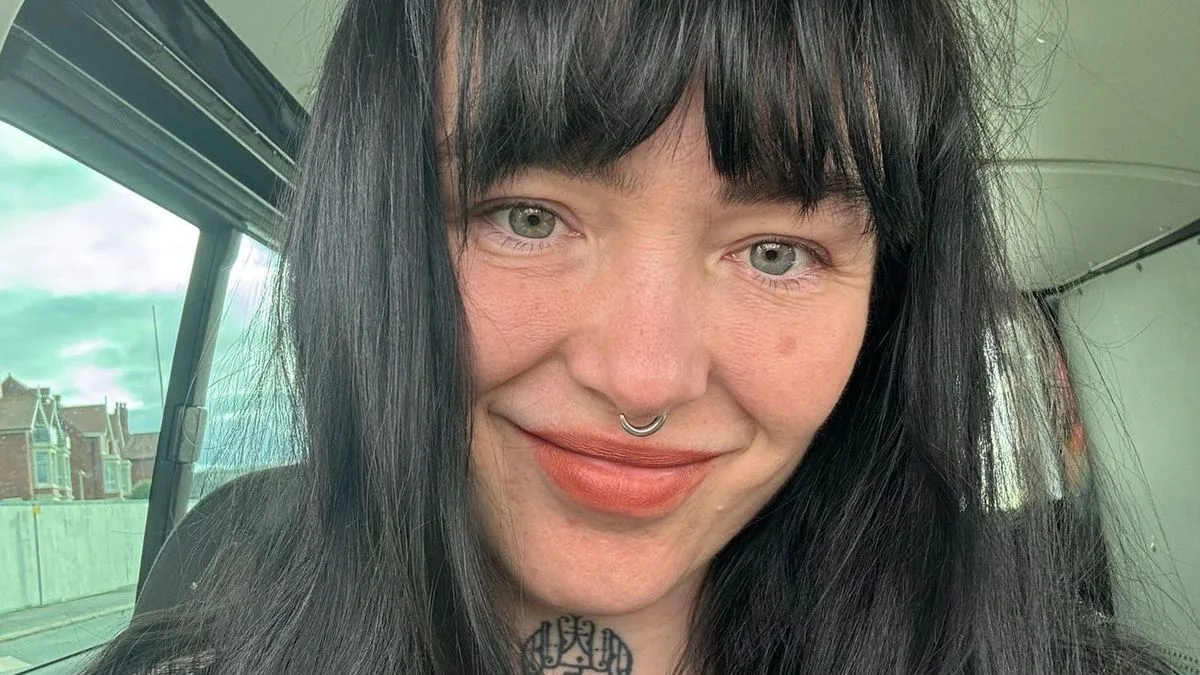
The passage of time has softened the raw terror, but for Gemma Ahern, certain images persist like snapshots from a horror film. Now 36, Gemma was just three years old in 1992 when her father, Geoffrey Quinton, brutally murdered her mother, Carol Quinton, in their Greater Manchester mews house.
A Brutal Attack and Fragmented Memories
Gemma recalls hearing her father frantically searching the kitchen while her mother shouted from an upstairs window, "He's trying to murder me." A neighbour heard the cries but did not intervene. Her father stabbed Carol 36 times with her own dressmaking scissors, including 11 wounds directly through the heart. Laceration marks on Carol's arms showed she had tried desperately to defend herself.
"I don't have any memories of Mum before Dad killed her. I only remember seeing her slumped down by the side of the bed," Gemma says. "I saw blood everywhere. I don't know what I said to Mum but I was trying to look for signs of life. There were none."
A Shocking Legal Outcome and Return to the Killer
Her father was convicted not of murder, but of manslaughter, receiving a four-year sentence. Judge Mrs Justice Smith reportedly described him as "a decent young man" whose actions were out of character. After serving just two-and-a-half years, he was released, and Gemma was placed back into his care.
"Dad killed Mum in the most horrific way and I was just handed back to him," she states. "Mum was erased from my memory. I willed myself not to ask about her because Dad made it clear he didn't want me to."
A Childhood of Suppressed Trauma and Control
Gemma's father discouraged any discussion of her mother, often portraying himself as the victim, blaming Carol for infidelity. Social Services were never informed about Gemma's case, leaving her without a care worker or school support. She was forced to suppress her grief and carry immense shame.
"My childhood was entirely focused on Dad's wellbeing and happiness. Nobody ever considered mine," she reveals. "He was very clever at making me believe it had all been her fault."
The Ongoing Crisis for Forgotten Children
Gemma emphasizes that her story is not unique. Estimates suggest between 50 and 200 children in the UK today are living with a parent who killed the other. There is no consistent system to identify these children or ensure they receive necessary support.
"And the staggering thing is, it's still happening. Children are still living with one parent who killed another," she says. "What's more, there's nothing – no register or record of who they are – in place to help them."
Reclaiming the Truth and a Mother's Memory
Three years ago, after moving to North Wales and beginning a new relationship, Gemma started questioning her father's narrative. Through newspaper research, she discovered the full extent of the violence – 36 stab wounds, not the single act she had believed.
"I felt sick, angry. I rang him up and screamed at him," she recalls. "He told me my mum never wanted me, that she didn't love me." This confrontation led to a complete estrangement from her father and his family.
Gemma reconnected with her maternal grandparents and her mother's best friend, Joanne, who shared stories of Carol's vibrant personality. "Joanne told me Mum was full of fun and mischief, that she loved music, dancing and sewing," Gemma says. "I know now I was her world."
Campaigning for Change and Supporting Others
Now a yoga teacher specializing in trauma, Gemma campaigns with the charity Children Heard and Seen. She will join an advisory group at Westminster to help shape better support for children affected by domestic homicide. She also advocates for Jade's Law, which would prevent killers from securing custody of their children after release.
"It is why I believe so strongly that parental rights should be taken from anyone who has killed a parent, and people like me should know that their voice, and the truth, matters," Gemma asserts.
Diagnosed with Post-Traumatic Stress Disorder and Attention Deficit Disorder linked to her trauma, Gemma has undergone therapy and found support through Victim Support. Her journey from a silenced child to a vocal advocate highlights the urgent need for systemic change to protect the most vulnerable victims of domestic violence.