A teenage boy from regional New South Wales has been charged with a series of serious offences following an international investigation into hoax 'swatting' calls made to the United States.
International Probe Uncovers Alleged Hoax Campaign
The investigation was launched in October 2025 after the US Federal Bureau of Investigation (FBI) provided a tip to the Australian Federal Police (AFP). Intelligence suggested an Australian was part of a decentralised online crime network involved in 'swatting' – the act of making malicious hoax calls to emergency services to trigger a large, armed response.
The AFP alleges the minor made multiple calls to US emergency services, falsely reporting that mass shootings were occurring at major retail and educational institutions. This caused widespread alarm and significant disruption.
Raids, Charges and Severe Penalties
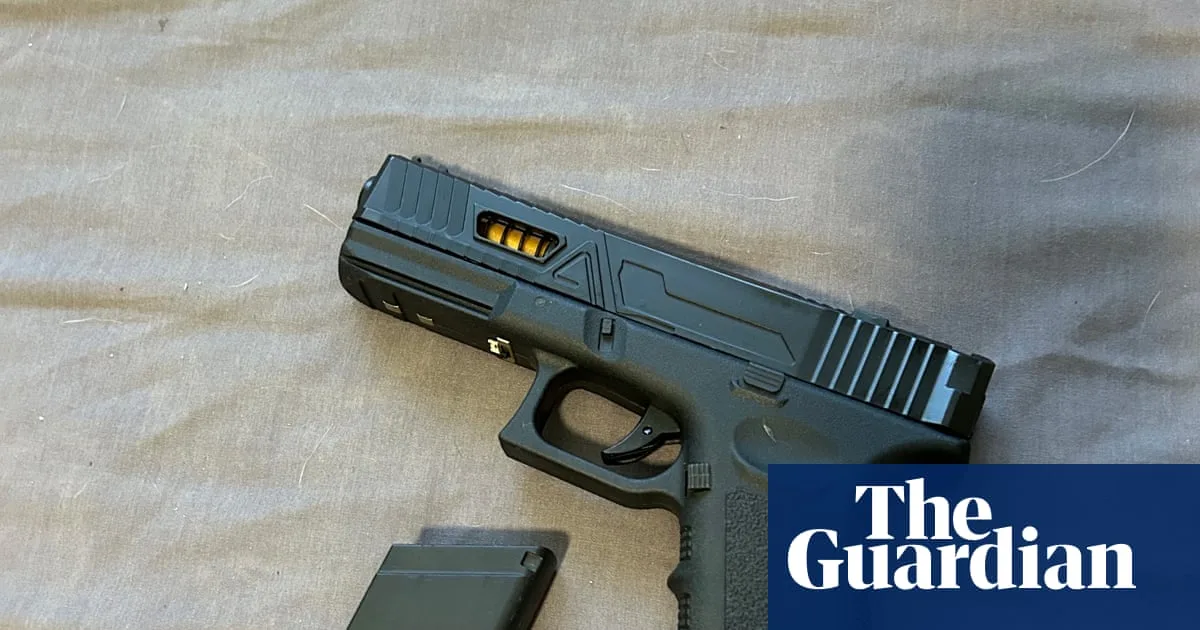
On December 18, AFP officers executed a search warrant at a home in regional NSW. During the search, they seized several electronic devices and a prohibited firearm.
The boy was subsequently charged with 12 counts of using a telecommunications network with intent to commit a serious offence, namely conveying false information about danger. Each count carries a maximum penalty of five years' imprisonment.
He also faces one count of unauthorised possession of a prohibited firearm, which carries a maximum sentence of up to 14 years in prison. The minor appeared before a NSW Children's Court on Tuesday.
A Warning on Online Anonymity and Youth Crime
AFP Acting Assistant Commissioner Graeme Marshall stated the accused's actions had a profoundly negative impact. "A young boy from regional NSW allegedly caused widespread alarm and turmoil to thousands of people, businesses and services in the United States, resulting in significant financial implications," he said.
He linked the case to the AFP's Taskforce Pompilid, which targets online crime networks. "These perpetrators, often young males aged from 11 to 25, are engaging in crime types such as swatting, doxxing and hacking to achieve status, notoriety and recognition in their online groups," Marshall explained, emphasising that online anonymity is an illusion.
FBI International Operations Division Assistant Director Jason Kaplan praised the cross-border cooperation. "The FBI views swatting as a dangerous and disruptive crime that endangers lives and drains critical emergency resources," he said. "This case demonstrates that anonymity online is an illusion."
Erika Olson, Chargé d'Affaires at the US Embassy in Canberra, highlighted the role of the Five Eyes intelligence alliance in the successful operation, which aimed to prevent further harm to US citizens.
The AFP advises parents concerned about their children's online activity to:
- Maintain open conversations about online behaviour.
- Supervise their child's internet use.
- Seek professional or community help if problems arise.