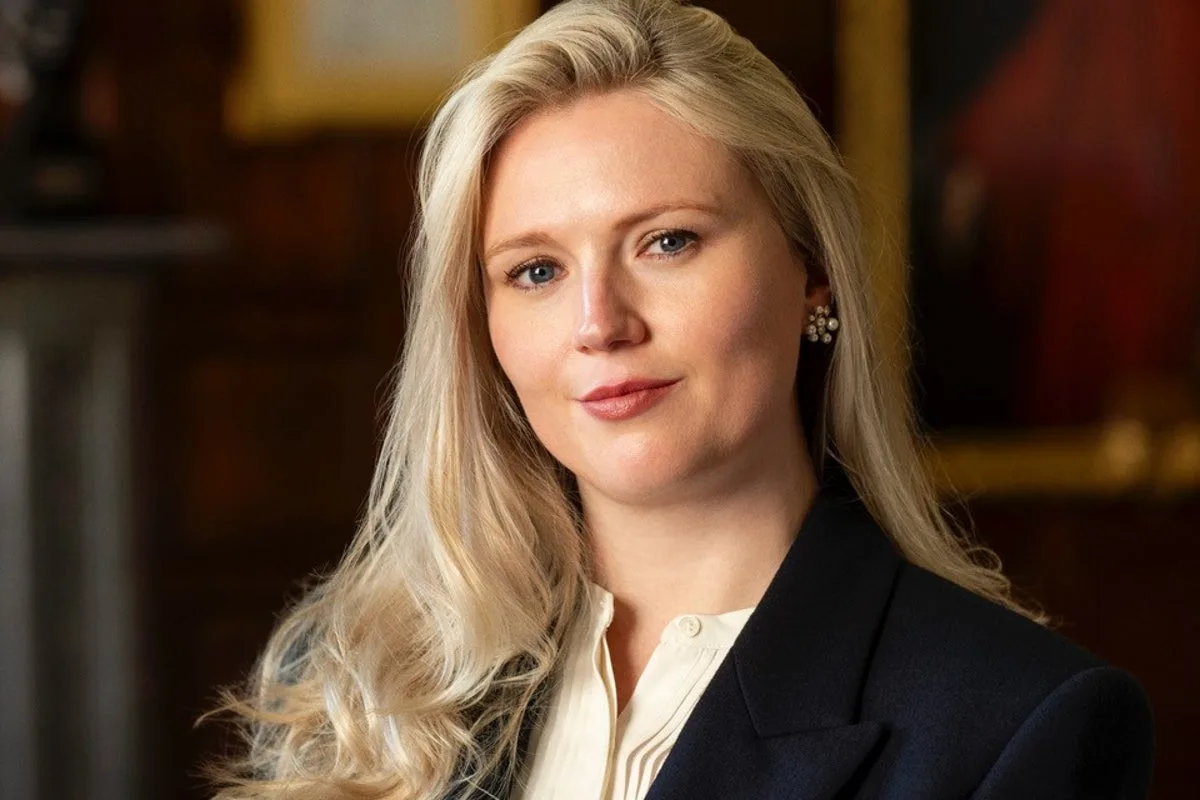
Traditional Barristers Clash with Social Media Generation
The hallowed halls of Britain's legal establishment are echoing with discontent as a new generation of barristers faces fierce criticism for their use of social media platforms like TikTok and Instagram. What was once considered one of society's most respected professions, attracting serious intellectuals from the highest echelons, now finds itself divided by generational differences in approach to professional conduct.
Senior members of the barrister fraternity have expressed outrage at what they perceive as the trivialisation of their sacred profession. Younger lawyers, however, are embracing social media as a way to demystify their work and connect with wider audiences.
The Content Causing Controversy
A Daily Mail investigation uncovered several examples of content that has drawn the ire of traditionalists. Fleur Houdijk, a tenant barrister at Lamb Building Chambers who specialises in family and criminal law, posted a selfie from a lift inside London's Central Criminal Court, popularly known as the Old Bailey. The photo, captioned 'Murder hearing at the Old Bailey' and accompanied by a green tick emoji, was believed to have been taken on February 18th, though the specific hearing remains unclear.
This particular post triggered a formal complaint from several barristers to the Bar Standards Board, the industry watchdog, though it's understood the complaint was not upheld. Miss Houdijk, who was called to the Bar in 2021, has received testimonials praising her commitment to clients' best interests.
Another barrister causing waves is Nina Reinach of 33 Bedford Row Chambers, who has accumulated hundreds of thousands of views on her 'Nina.bar.none' TikTok page and gathered 1,200 followers. During her pupillage - the year-long training period where aspiring barristers shadow a supervisor - she posted videos of herself appearing to speak at an online Crown Court bail application hearing and filmed casework on her laptop.
Perhaps most controversially, Ife Thompson, a polyglot barrister who fronts The Black British English Podcast when not practicing law, has posted content that includes wearing wig and robes while repeating the phrase 'I am a radical black female lawyer' and calling out racism and police brutality. Another video shows her and a colleague dancing to 'Ms Perfect' by Afrobeat star Demi Mulla while in their wigs and gowns, with the caption indicating they were 'in the robing room' inside a court.
Generational Divide in Legal Profession
The conflict represents a fundamental clash of values between different generations within the legal profession. A veteran barrister told The Mail: 'The prevalence of social media in the lives of young people has resulted in those younger generations thinking it's acceptable to behave like this when they are called to the bar - but it isn't.'
The senior legal professional added: 'In fact it's wildly inappropriate to try to reconcile the kind of facile frivolity you see on social media with the dignity demanded by the profession. They've chosen a career that should be as vocational as entering the priesthood - and it's simply not compatible with performative clowning for clicks.'
One disapproving colleague commented specifically on Miss Houdijk's Old Bailey selfie: 'That photo was incredibly ill-judged. I simply couldn't believe that she had shared it publicly. There is just a feeling of someone entering a very serious situation while craving social media attention like a teenager.'
The same critic added: 'Standards generally have been declining for some time and some of the newer barristers I've worked with are the most incapable I've ever come across.'
This sentiment highlights the depth of feeling among traditionalists who believe the profession's dignity is being compromised by social media antics.
Legal Boundaries and Professional Standards
The controversy raises important questions about where to draw the line between personal expression and professional conduct for barristers. Filming and photography on the precincts of court is strictly forbidden, with courts throughout England and Wales displaying strong warnings against taking pictures or recording proceedings.
When approached for comment, a spokesperson for The Bar Standards Board stated: 'The BSB does not comment as to whether or not it has received any information about potential misconduct by a barrister regardless of how any information comes to our attention. Such matters are dealt with in accordance with the procedures set out in detail on our website.'
The spokesperson emphasised that these procedures are usually conducted confidentially unless they result in a listing for a Disciplinary Tribunal hearing, which would be published on the Bar Tribunals & Adjudication Service website and held in public.
As the legal profession grapples with these new challenges, the fundamental question remains: can centuries of tradition coexist with twenty-first century communication methods, or must one inevitably give way to the other?