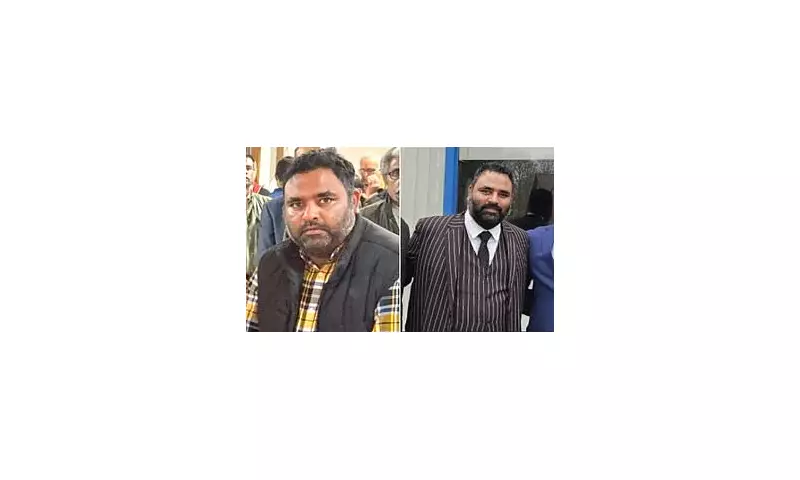
A solicitor has been struck off after dishonestly misleading a judge about his location during a remote court hearing, claiming to be in London while he was actually over 700 miles away in Germany.
The Misleading Statement to the Court
Priyank Tanwar, a self-employed consultant for a London-based firm, was representing a father in a family case at Leicester County Court in August 2023. The one-hour hearing was conducted remotely. While Tanwar had informed the court clerk, other legal representatives, an interpreter, and his own client that he was abroad, he gave a different answer to the judge.
When Judge Matthew O'Grady directly asked Tanwar where he was, the solicitor replied 'Ealing, London'. Tanwar later claimed he had misunderstood the question, believing the judge was asking for his office location. This explanation was dismissed as 'nonsensical' by the Solicitors Regulation Authority's counsel, Tom Walker.

Chaotic Proceedings and Tribunal Findings
The tribunal panel heard that establishing a stable remote connection was crucial to the proceedings, and the process had descended into chaos, partly due to Tanwar's 'decision to attend by telephone'. His actual location was a material fact for the court.
The three-person panel, chaired by Carolyn Evans, found that Tanwar 'was not being truthful' to the judge and had acted dishonestly by providing misleading information. The panel chairman stated that 'culpability was absolute'. Tanwar denied the allegations, arguing it was not his intention to mislead.
Sanctions and the Future of Remote Hearings
As a result of the tribunal's findings, Priyank Tanwar was struck off the roll of solicitors and ordered to pay £7,500 in costs.
The case casts a spotlight on the conduct standards for remote court hearings, which have become commonplace since the pandemic. While many legal professionals advocate for their efficiency, critics argue they can dehumanise the judicial process. This ruling underscores the paramount importance of honesty and clarity in all communications with the court, regardless of the format.