A Utah judge has mandated the public disclosure of a previously sealed court hearing transcript, a move that underscores the tension between courtroom security and public transparency in a high-profile murder case.
Judge Rules in Favour of Public Scrutiny
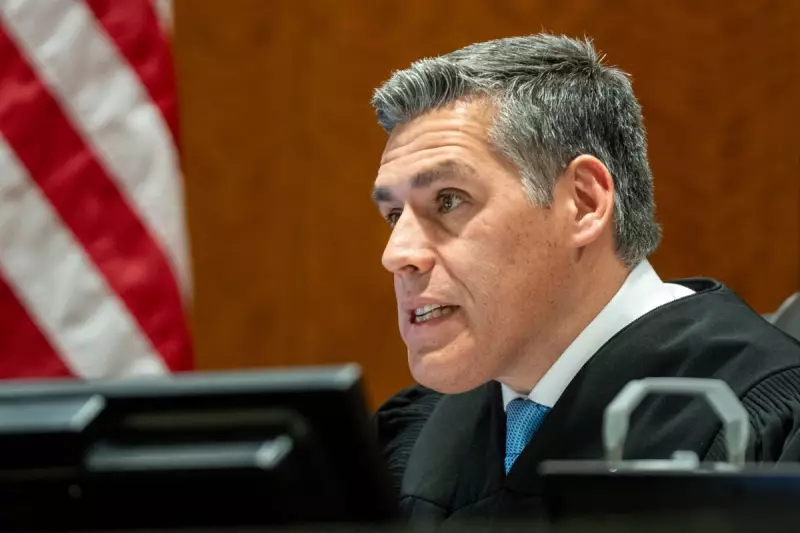
On Monday 29 December 2025, State District Judge Tony Graf ordered that a transcript from a closed-door hearing held in October must be posted on the official court docket by the end of the day. This decision came after attorneys representing several media organisations, including The Associated Press, argued vigorously for the details of the private hearing to be made public.
Judge Graf stated that public transparency was "foundational" to the judicial system before issuing his order. The transcript and an accompanying audio recording will be released with limited redactions, primarily to remove specific discussions about security protocols related to the closely watched proceedings.

The Shackling Debate at the Heart of the Case
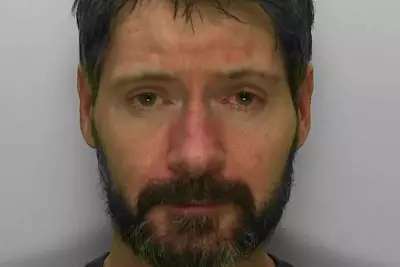
The October hearing centred on a request from defence lawyers for the accused, Tyler Robinson. Robinson faces an aggravated murder charge for the 10 September shooting of conservative activist Charlie Kirk on the Utah Valley University campus in Orem. Prosecutors intend to seek the death penalty.
In early October, Robinson's legal team asked the court to allow him to appear in civilian clothes and without physical restraints. They argued this was necessary to prevent potential bias among jurors who might see him. Following the private hearing on 24 October, Judge Graf ruled on 27 October that Robinson could wear civilian attire but must remain restrained.
In his order, the judge cited the need to protect the safety of court staff and the defendant himself, allowing for quick securing if proceedings were disrupted. Utah court rules typically require defendants in custody to be restrained unless a judge orders otherwise.
Media Access and Ongoing Restrictions
The judge's latest transparency move follows recent friction over media coverage of the case. Earlier in December, Graf briefly halted a media livestream of a hearing and ordered a camera be repositioned after defence attorneys complained it showed Robinson's shackles. In a separate order, Graf has stipulated that any photographs or broadcasts of court proceedings must not show Robinson's restraints.
Media lawyers had contended in filings that an open court "safeguards the integrity of the fact-finding process" and fosters public confidence, noting that criminal cases in the United States have long been public to ensure fair trials.
Tyler Robinson was not physically present in court for Monday's procedural hearing but appeared via an audio link from the Utah County Jail. A preliminary hearing, where prosecutors will formally outline their case against him, is scheduled for the week of 18 May.