Criminal barristers in Northern Ireland have escalated their long-running dispute with the government by launching an indefinite, full withdrawal of services from Monday, 5 January 2026. They warn of a deepening "crisis" in the justice system, driven by legal aid fees that have not risen for over two decades.
A Last Resort Over Stagnant Fees
The core grievance centres on remuneration for legally aided work in the Crown Court. Fees have remained frozen since 2005, which the Criminal Bar Association (CBA) states has eroded their real-terms value to just 50% of their original worth. The strike action was backed overwhelmingly, with 89% of the 193 CBA members who voted supporting a full withdrawal.
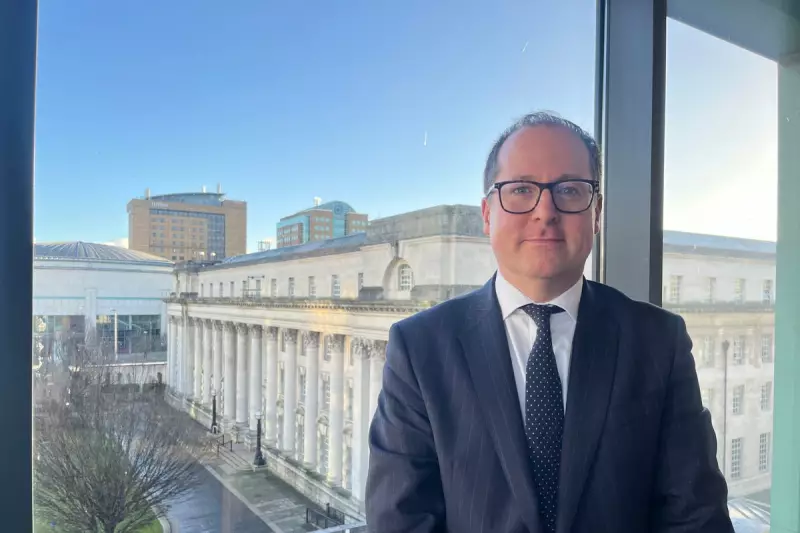
Donal Lunny KC, Chairman of the Bar Council of Northern Ireland, stated barristers will not resume work on legally aided Crown Court cases "until the department shows the pragmatism and the urgency that’s required to resolve the issue of Crown Court fees". While Justice Minister Naomi Long has committed to a 16% fee increase, barristers argue this is insufficient after nearly 20 years of stagnation.

Systemic Crisis Beyond the Picket Line
Mr Lunny emphasised that the strike is a symptom of a far deeper problem. He argued the real crisis is that young barristers are increasingly avoiding criminal work due to poor pay, leading to a dwindling, ageing cohort of practitioners. He pointed to England and Wales, where better rates still fail to attract enough barristers, causing severe backlogs.
"In a way, the strike is a red herring. The real crisis is that barristers and solicitors firms aren’t doing criminal work because the legal aid rates are so poor," Lunny said. He warned Northern Ireland is headed for a similar collapse, referencing Sir Brian Leveson's review in England and Wales which revealed a backlog of 80,000 cases and trial dates set as far away as 2030.
Impact on Victims and Stalled Mediation
The industrial action will inevitably delay ongoing trials, causing further distress to victims and their families. The family of Natalie McNally, murdered in 2022, described the potential for further delays to her trial as a "kick in the teeth". Mr Lunny acknowledged this impact but stressed the strike was a "last resort" taken with full awareness of the consequences for victims, defendants, witnesses, and jurors.
The barrister leader also revealed a failed attempt at mediation. He said Northern Ireland’s Lady Chief Justice, Dame Siobhan Keegan, advised in November that the CBA and the Department of Justice engage a specialist mediator. The barristers accepted, but the department declined. Justice Minister Naomi Long, however, stated her department had received no correspondence from the Bar requesting her reasons for rejecting mediation.
Ms Long expressed being "profoundly disappointed and frustrated" by the strike, calling it unjustifiable. She asserted that the Bar had previously agreed to a roadmap for resolution through a working group chaired by Judge Tom Burgess, only to announce a full withdrawal days later.