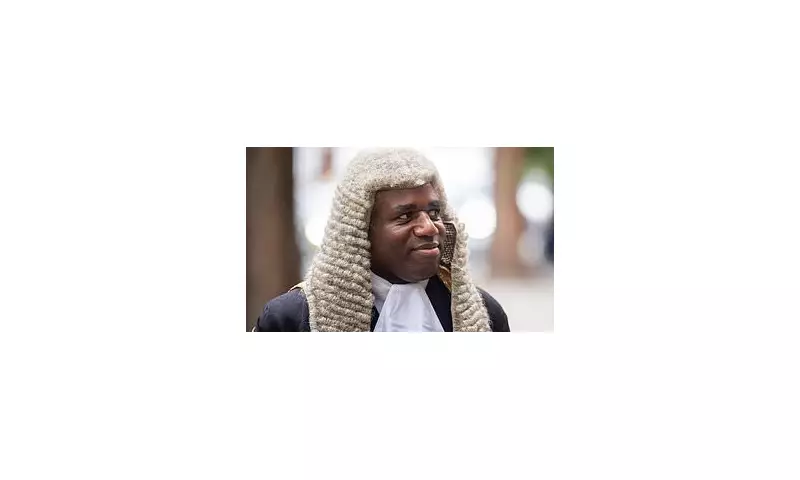
Justice Secretary David Lammy is poised to announce a radical transformation of the criminal justice system today, as the government grapples with a record-breaking backlog of over 78,000 cases. The centrepiece of the reforms is a controversial proposal to significantly limit the right to trial by jury for less serious crimes.
A System on the Brink of Collapse
In a statement ahead of his parliamentary address, Mr Lammy declared he was "calling time on the courts emergency" that has left victims waiting years for justice. He warned that the system is being pushed to the brink of collapse, with delays often meaning justice is denied. "For many victims, justice delayed is often justice denied," he stated, highlighting how some lose faith and withdraw from the process entirely.
The Deputy Prime Minister is expected to endorse key recommendations from a review conducted by former senior judge Sir Brian Leveson in July. The core proposal is to reserve jury trials primarily for the most serious "indictable-only" offences like murder, manslaughter, rape, and terrorism. Lesser "either-way" offences would be diverted away from Crown Courts.

The Proposed Path to Faster Justice
The government's "fast and fair justice plan" envisions a major shift in how cases are heard. Instead of juries, many cases would be processed in magistrates' courts or a new intermediate court, where a judge would sit with two lay magistrates. For serious and complex fraud cases, judge-only trials are also being considered.
A leaked memo suggests that, under the plans, all criminal cases with a maximum sentence of up to five years would be determined by a judge, with exceptions only for the most grave crimes or those deemed to be in the "public interest". The Ministry of Justice notes that currently, only about 3% of criminal cases are heard by a judge and jury.
Mr Lammy has insisted he is not "scrapping" jury trials, but rather saving them by ensuring they are used appropriately. He argued that some defendants "play the system" by delaying guilty pleas until the last minute in either-way cases, contributing to the backlog.
Funding and Fierce Opposition
Alongside the structural reforms, the government will announce £550 million in funding for victim support services over the next three years. This aims to provide counselling and court guidance, addressing concerns repeatedly raised by the late victims' commissioner, Baroness Helen Newlove.
However, the proposed curbs on jury trials have ignited fierce opposition from across the legal profession. Riel Karmy-Jones KC, chair of the Criminal Bar Association, expressed a stark warning: "It's easier to intimidate one person than it is to intimidate 12". She highlighted the particular risk in cases like fraud, where defendants may have significant resources.
The Bar Council and the Law Society of England and Wales have also voiced strong objections, calling the move an "extreme measure" lacking real evidence that it will clear the backlog. Shadow justice secretary Robert Jenrick accused Lammy of abandoning his principles, stating: "Instead of depriving British citizens of ancient liberties, David Lammy should get his own department in order."
With nearly half of the backlog cases involving violent or sexual offences, the pressure for a solution is immense. The government has also committed to more Crown Court sitting days and a scheme to support new criminal barristers. As the details are unveiled, the debate will centre on whether the pursuit of efficiency can be balanced with the fundamental quality and integrity of British justice.