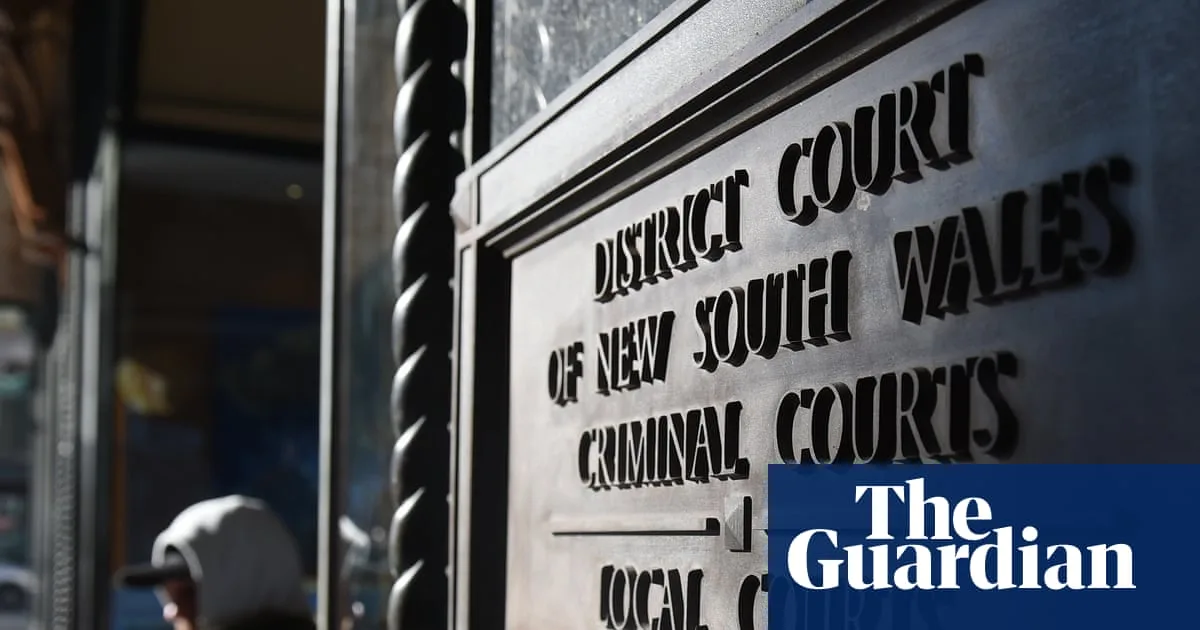
Three men convicted of gang raping three teenagers during a bucks party weekend have successfully overturned their convictions in the New South Wales Court of Criminal Appeal. Maurice Hawell, 31, his brother Marius, 24, and Andrew David, 31, were found guilty in 2024 after a joint trial lasting nearly four weeks.
On Monday, the appeal court quashed the convictions, ruling that the trial judge had made errors in her directions to the jury. Justice Belinda Rigg ordered Maurice Hawell and David to face a retrial, while Marius Hawell was acquitted and ordered to be immediately released from prison.
The men had been sentenced to lengthy prison terms: Maurice Hawell to 14 years, David to 13 years, and Marius Hawell to nine years. Their lawyers argued that the jury may have misinterpreted evidence regarding the trio's state of mind during the weekend of offending, leading to unreasonable verdicts.
David's barrister, Tim Game SC, contended that the evidence could have been misconstrued as a “shared job” or a “job for the lot,” which he said added a sinister element by turning consensual sex into a threat of non-consensual sex. He maintained there was no evidence to support that proposition.
David and Maurice Hawell are scheduled to appear in the NSW District Court on 12 December. The acquittal of Marius Hawell means he can be released from prison immediately.