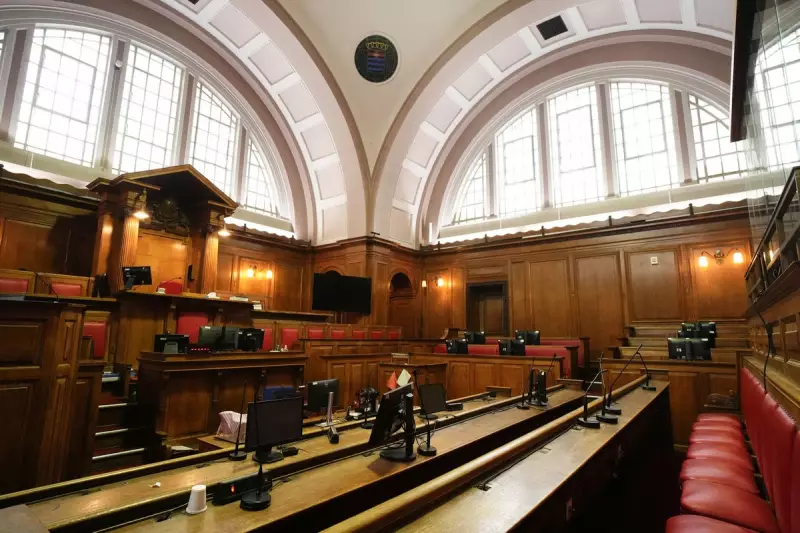
A former Crown Prosecutor has issued a stark warning that the UK's criminal justice system is in a state of deep crisis, with a backlog of almost 80,000 cases pushing some trial dates as far back as 2030. Labour MP Linsey Farnsworth, drawing on her experience in Nottingham Magistrates' Court in the early 2000s, argues that bold government reforms are a necessary and pragmatic path to restoring victim confidence and delivering timely justice.
The Root of the Crisis: A System Under Strain
Farnsworth explains that the current Crown Court crisis is the result of decades of compounding pressures. Years of underfunding, austerity measures, the Covid-19 pandemic, and evolving crime trends have all contributed to the breaking point. The most visible symptom is the enormous backlog, which creates perverse incentives within the system. She reveals a shocking calculation made by some defendants: with trials delayed for years, witnesses' memories fade, increasing the chance of an acquittal. Some even hope victims will withdraw or, in one chilling case she cites, that an elderly victim might pass away before the case is heard.
Proposed Reforms: Pragmatism Over Tradition
The central reform proposed by Justice Secretary David Lammy involves removing a defendant's right to elect a Crown Court trial in certain cases. Farnsworth highlights that in the 2024/5 period, 4,283 cases were sent to the Crown Court after a defendant elected to go there, even though a magistrate had already ruled the sentence would not exceed their maximum powers. This move, she argues, will save taxpayer money and drastically reduce the number of cases unnecessarily clogging the higher courts, allowing them to focus on the most serious offences.

Addressing concerns from principle, Farnsworth contends that clinging to tradition at the expense of victims is unjust. She points out that the system has always evolved, citing the creation of the Crown Court in 1972 and reforms in 1994. The proposed changes, she clarifies, do not abolish jury trials but adjust the threshold for their use. Magistrates, who already handle cases for youth defendants with sentences up to two years, are fully capable of managing this expanded remit.
Investment Alone Is Not the Answer
While acknowledging the desperate need for greater investment to fix leaky courtrooms and logistical delays, Farnsworth echoes Sir Brian Leveson's conclusion that money alone cannot solve this systemic crisis. The government's pledge to tackle violence against women and girls, she argues, will only be effective if victims trust the system to deliver justice without years of agonising delay. The proposed reforms are presented as a crucial step in earning that trust, ensuring victims receive the swift justice they deserve and preventing the backlog from undermining the very purpose of the courts.