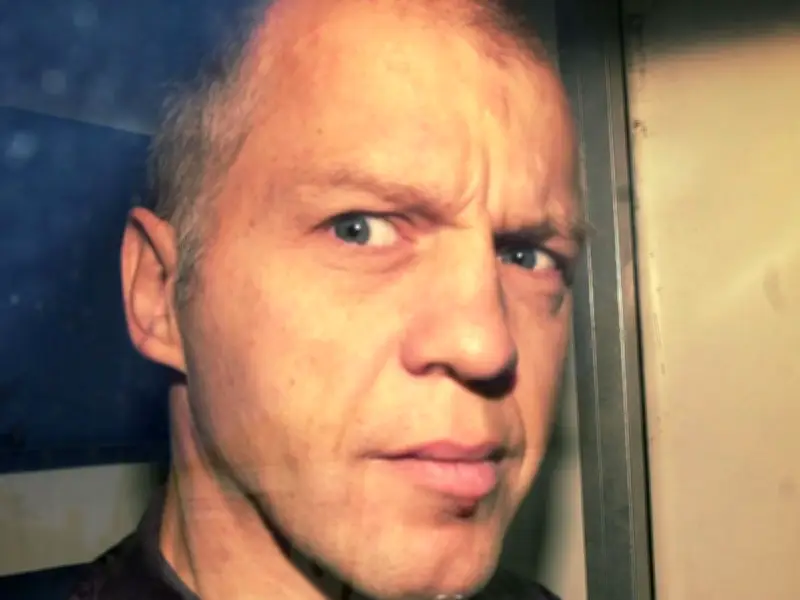
Michael Stone, serving life for the 1996 murders of Lin Russell and her six-year-old daughter Megan, is expected to provide a DNA sample to a miscarriage of justice investigator in his cell at HMP Frankland. The Criminal Cases Review Commission (CCRC) is investigating the case, coinciding with the 30th anniversary of one of Britain's most shocking crimes.
The Murders and Initial Investigation
On July 9, 1996, Lin Russell, 45, a geologist, picked up her daughters Megan and nine-year-old Josie from a swimming gala in Goodnestone, Kent, along with their white terrier Lucy. They took a shortcut through cornfields and woods towards Nonington. At around 4:25 pm, Josie later recounted, a man got out of a car, approached with a hammer, forced them into a clearing, tied them up, and attacked them viciously. Lucy was also beaten to death. Lin and Megan were left lying on their backs, while Josie was blindfolded and tied to a tree. No money, belongings, or sexual motive were found, according to forensic experts. Shaun Russell, the girls' father, raised the alarm after returning home to an empty house. Police found the scene that night; Josie was initially thought dead but moved an hour later and was rushed to hospital. Emergency surgery saved her life but removed damaged brain tissue, causing intellectual impairment, as heard in Stone's trial.
Witnesses and Evidence
Nine months after the attack, Josie began to speak again with therapy. Witness Anthony Rayfield told police he saw a man walking up a bank backwards, facing the murder scene, appearing agitated and in a rush. The man, about 50 yards away, then jogged toward him in an athletic manner. Rayfield described him as white, with short or thinning hair, aged 35-43. Later, Rayfield found a string bag in a hedgerow containing six pieces of torn blood-stained towel used to bind the Russells. Another witness, Nicola Burchill, saw a beige Ford Escort type car pull out in front of her; the driver seemed agitated and kept looking in his mirror. Isobel Cole saw a man standing on a country lane holding a claw hammer, with unusually white skin. Despite these sightings, detectives struggled to find forensic evidence—no fingerprints, DNA, or other clues linked a suspect.
Stone's Background and Conviction
On the first anniversary of the murders, a BBC Crimewatch reconstruction aired. Forensic psychiatrist Dr. Philip Sugarman noted that an e-fit of a driver resembled Stone, a former patient. Stone had mental health issues, heroin addiction, and multiple convictions for violence, including a 1981 hammer attack that earned him the nickname "Mad Mick the Hammer Man." His former girlfriend Rachael Marcroft described him as "scary and brutal" but did not believe he committed the murders. The case against Stone relied on dubious "prison confession" evidence from three inmates: Damian Daley, Mark Jennings, and Barry Thompson. Daley claimed Stone said he smashed victims' heads like eggshells; Jennings said Stone justified eliminating witnesses. Stone was convicted by a 10-2 majority, shouting, "I didn't do it." The conviction was quashed a year later after Thompson retracted and Jennings took money from a newspaper. At a 2001 retrial, a second jury convicted Stone again, 10-2, and he was jailed for life.
Ongoing Doubts and CCRC Investigation
Decades later, doubts persist: none of the witnesses identified Stone in identity parades; he had no access to a car like the killer's; there was no forensic evidence; and the motive remained unclear. At the retrial, the judge said, "The case stands or falls on the alleged confession of Damian Daley." Daley, a self-confessed liar, told the court, "I like to get by in life. I am a crook... But if you were to say to me now are you lying, I would say no." A CCRC spokesman stated, "We are exploring all possibilities to determine whether Mr. Stone may have suffered a miscarriage of justice. Our test for referring a case is that there is a real possibility that the Court of Appeal would overturn his conviction."